🚨 Breaking: A 77-year-old passenger reportedly went overboard from a Holland America Line cruise ship off the coast of Cuba. The U.S. Coast Guard led an extensive search, then suspended active operations after covering a wide area. How this happened is still under review. The legal and policy questions are already urgent.
What we know now
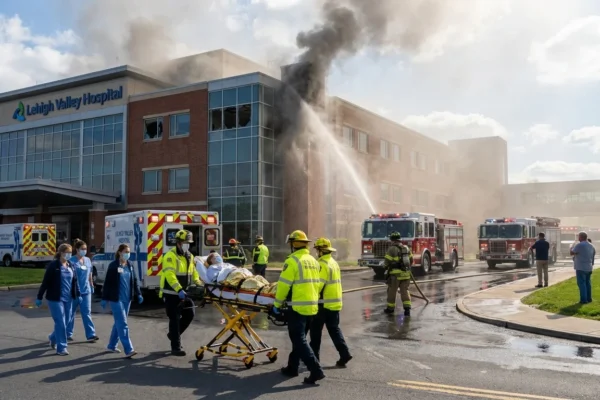
Crew reported the overboard and launched immediate rescue steps. The ship reversed course. Lookouts scanned the water. Life rings and markers hit the sea within minutes. The Coast Guard coordinated aircraft and cutters in the area. Cuban maritime authorities were notified and engaged.
After hours of searching, and then more hours, the Coast Guard suspended the active search. That decision was based on time, sea conditions, and the shrinking odds of survival. If new information emerges, the search can resume. The cruise line has opened an internal review. Authorities are preserving logs and video under federal rules.
[IMAGE_1]
A search suspension is not a case closed. It can restart if credible leads appear.
How an overboard search unfolds
When someone goes into the water, seconds matter. International and U.S. law require the master to render assistance. The ship slows or turns. Crew deploys rescue gear. The bridge broadcasts a distress call. The scene becomes a coordinated search grid.
Here is the typical sequence that follows a man overboard alert:
- Shipboard response begins, lookouts posted, rescue boats readied.
- Coast Guard command center alerted, search patterns assigned.
- Nearby vessels are asked to assist under maritime duty to help.
- Aircraft and cutters expand the search box as currents shift.
- Operations continue until probability of success drops too low.
Why do searches stop? Survival time at sea depends on water temperature, weather, and health. Current and wind move the search area. At some point, the chance of finding a person alive becomes very small. Commanders must weigh risk to crews and aircraft against expected results. They then suspend, pending new information.
The legal frame, from ship to shore
Cruise safety is governed by a web of laws. Two pillars shape what happens next.
First, international rules. Under SOLAS, ships must have safety management systems. They must train for rescues and report emergencies. Masters have a duty to aid persons in distress. That duty applies regardless of national waters.
Second, U.S. statutes. The Cruise Vessel Security and Safety Act requires higher rails, better lighting, and video coverage in public areas. It also requires reporting of serious incidents to the FBI and the Coast Guard. The law calls for overboard detection or image capture technology when it is reliable and available. Not all ships have the same systems. False alarms and costs remain a challenge. But pressure to install reliable detection is rising.
Jurisdiction can be complex. It depends on where the ship was, the flag state, and the people involved. U.S. authorities can act if a U.S. person is involved, if the voyage touched a U.S. port, or if the company is U.S. based. Coordination with Cuba’s rescue region is standard, even with strained politics. Saving lives at sea crosses borders.
Rights and duties for families and passengers
Families have a right to timely updates from the cruise line and investigators. They can request preservation of evidence, including CCTV, key card data, and witness lists. The company must secure relevant records once it knows there is a serious incident.
Most cruise tickets include strict deadlines. Many require written notice within six months and a lawsuit within one year. Venue is often a specific U.S. federal court. Check your ticket now.
- Ask the cruise line to preserve all evidence in writing, keep copies.
- Identify the point of last contact and any witnesses.
- Keep medical and travel records tied to the voyage.
- Consult a maritime attorney about deadlines and venue.
Time limits in cruise contracts are short. Missing them can end your claim, even before facts are clear.
Families can also file Freedom of Information Act requests with the Coast Guard after the case file closes. That can include search patterns, call logs, and final determinations. If the passenger is a U.S. citizen, contact the nearest U.S. embassy or consulate for assistance with notifications and next steps.
Ask for the ship’s incident report number and the Coast Guard case number. These help track records later.
[IMAGE_2]
What changes next
This case will renew the push for better overboard detection. Systems using thermal cameras and analytics are improving. Advocates argue they give crew precious minutes. Lawmakers are likely to seek briefings on compliance with the 2010 safety law. Regulators can also press lines to test and deploy proven tech fleetwide.
Expect audits of training and response times. Expect questions about manning, watchstanding, and lighting. Expect a fresh look at cooperation between U.S. and regional rescue centers. The goal is simple. Faster alerts, faster turns, and better odds.
Conclusion: A life overboard sets law, policy, and duty in motion. The search is paused, not forgotten. The legal process now begins, and the safety debate is back on the front burner. The next decisions, by cruise lines and government, must focus on minutes that matter most.