The Kennedy Center’s Christmas Eve jazz concert is off, and the timing is explosive. The holiday tradition long anchored by drummer and vibraphonist Chuck Redd is canceled. The decision follows the addition of former President Donald Trump’s name to the building. Culture and politics just collided in plain view.
What happened, and who is affected
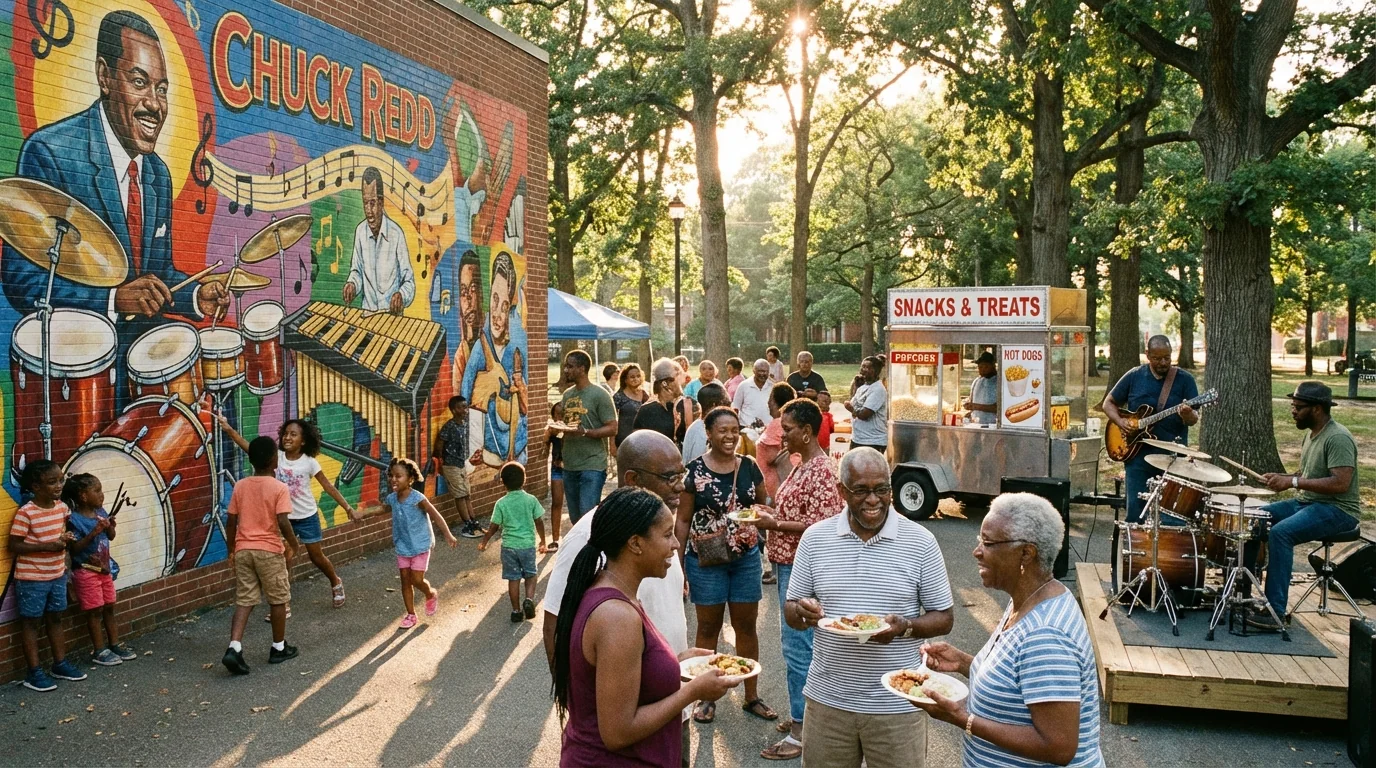
Chuck Redd has been a steady voice in this hall for years. His Christmas Eve sets have brought families back, year after year. Now the stage will be dark on the one night this community expects music. That silence is not just artistic loss. It is a policy choice with real consequences.
Artists lose pay. Crews lose hours. Local vendors lose a holiday bump. The community loses a shared ritual. All because a naming decision, tied to a political figure, rolled into programming choices. That is the new front line in the fight over public cultural space.
The legal stakes behind a name on a wall
The Kennedy Center is a federally chartered nonprofit. Congress designated it as a living memorial to President John F. Kennedy. That structure matters. When a public institution changes how it presents itself, courts ask a simple question. Is this government speech, or private speech?
If it is government speech, the First Amendment gives wide latitude. Governments can choose messages and names. They cannot compel private citizens to agree. If it is private speech, different rules apply. Public institutions must avoid viewpoint discrimination. They must not punish speech based on politics.
Adding a political name to a memorial for another president raises hard questions. Does it align with the federal charter. Was the board authorized to approve it. Were donor naming rules followed. Were federal funds used for signage or construction. Those answers shape oversight and remedies.
The Kennedy Center’s status as a federal memorial, backed by congressional funding, puts its naming and branding choices under heightened scrutiny.
Contracts, cancellations, and artist rights
For performers like Chuck Redd, the law is very concrete. It lives in the contract. Most musician agreements set out cancellation terms. They cover fees, timelines, and force majeure. If a show is pulled for reasons within the venue’s control, artists often have a right to part or full payment. If an outside event makes the show impossible, different terms apply.
Union standards matter too. Many jazz players in Washington work under American Federation of Musicians frameworks. These often require minimum cancellation payments inside a set window. If this holiday show was booked, those clauses likely exist. They protect not just the headliner, but also sidemen, sound techs, and stagehands.
Artists should request written notice of cancellation and ask for payment under the contract’s cancellation clause.
Citizen rights and government oversight
Citizens have a stake here. The Kennedy Center serves the public. It receives federal support. While it is not a federal agency under FOIA, Congress can demand records. Lawmakers can request a Government Accountability Office review. They can hold hearings on governance and compliance with the center’s charter.
Locally, D.C. law bars discrimination based on political affiliation in many settings. That rarely governs artistic programming directly. Still, if cancellations target artists or audiences for their views, that could trigger scrutiny. Viewpoint neutrality is a core democratic value in public spaces, even when not strictly required by law.
A short list of practical steps for engaged citizens:
- Ask the board to release its naming and cancellation policies in full.
- Urge Congress to review compliance with the Kennedy Center’s federal mission.
- Support affected artists through ticket transfers, donations, or union relief funds.
- Press for a clear firewall between naming decisions and programming choices.
[IMAGE_2]
Policy choices now on the table
The board faces two immediate tasks. First, it must explain the legal basis for the new naming. That includes who approved it, what rules applied, and how it fits the JFK memorial status. Second, it must address the programming fallout. Was this cancellation a risk assessment. Was it a political response. How will the center prevent future conflicts.
Good policy is simple here. Put the rules in writing. Publish them. Promise that programming will not swing with political winds. Set a timeline to reschedule the Christmas Eve concert or provide an equivalent public event. Offer financial relief to the artists and crews who planned to work the show.
Allowing political branding to dictate programming risks a chilling effect on artists and audiences. That erodes trust in public culture.
What comes next
Expect rapid moves. Contract talks with artists like Chuck Redd will determine immediate remedies. Board counsel will review the center’s charter, bylaws, and naming rights policies. Members of Congress can request briefings and documents. If this turns on government speech, courts will give leeway. If it conflicts with the center’s statutory mission, there is a path to challenge.
The best outcome is clear. A transparent process, a clean firewall between naming and art, and a public commitment to the communities that fill these seats.
The holidays should not be a test of political loyalty. They should be about music, memory, and a city coming together. Chuck Redd’s quiet stage tonight proves what is at stake. The law must steady the room so the music can return.