BREAKING: China’s Venezuela bet faces a shock test after sudden U.S. moves
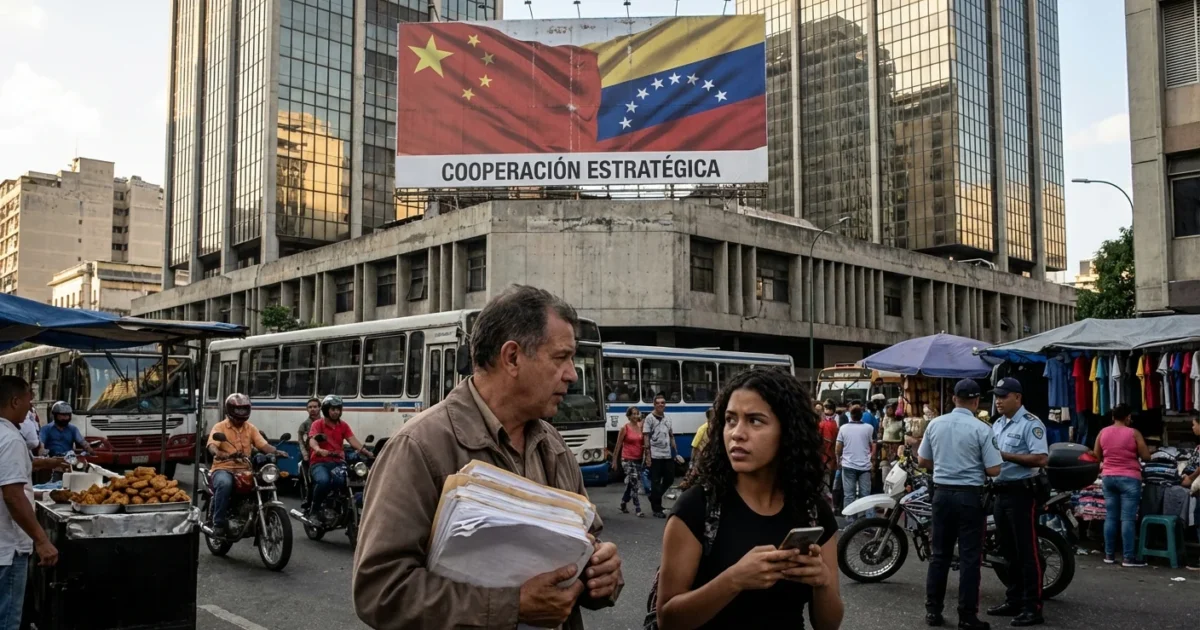
China’s long game in Venezuela is being tested today. Reports of Nicolás Maduro arriving in custody in Brooklyn to face narcoterrorism charges, and U.S. strikes on Venezuelan targets, have turned a quiet oil finance story into a fast legal fight. At stake are billions in loans, joint ventures, and the rights of citizens on the ground. I am tracking developments and legal responses in real time.
What is happening now
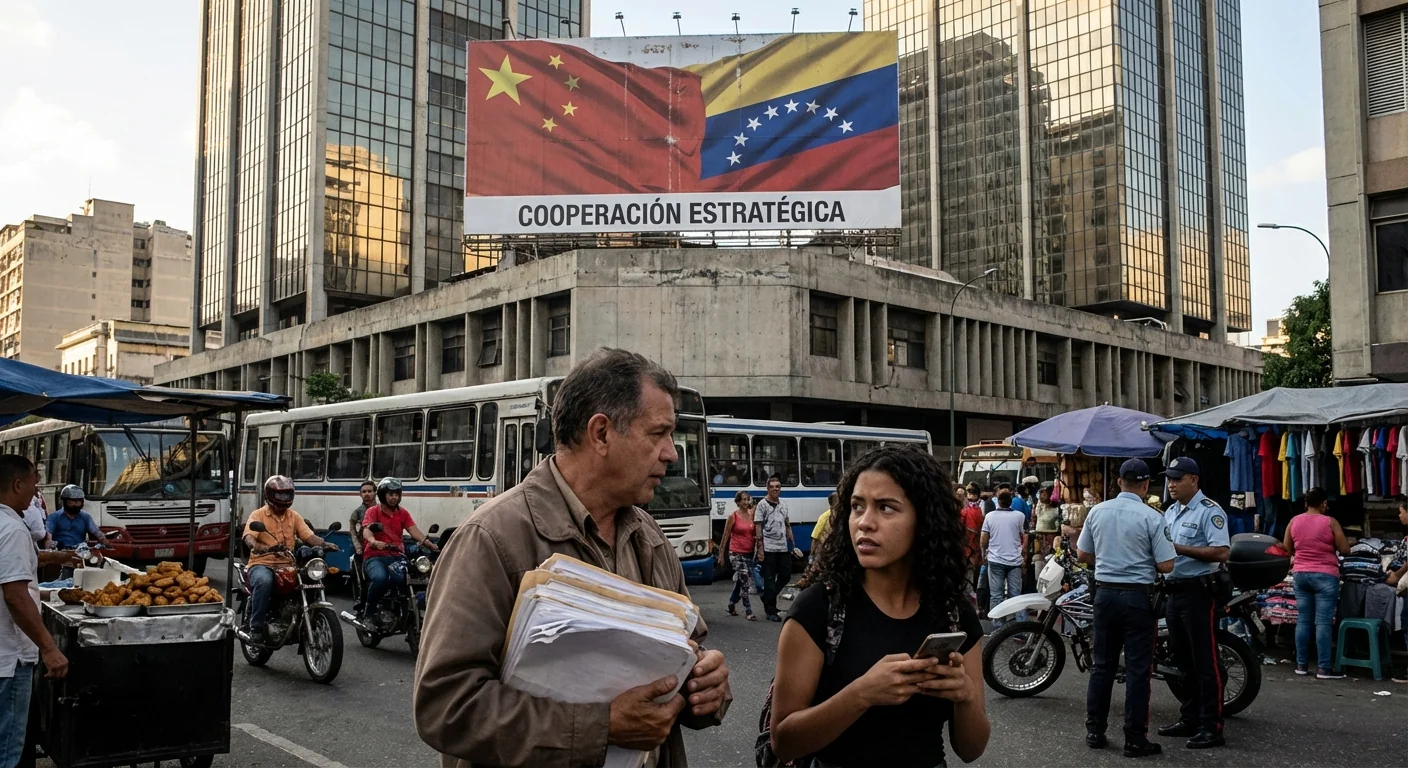
U.S. actions have jolted Caracas. Delcy Rodríguez is assuming day-to-day duties in the capital, while a first court appearance for Maduro in New York is expected. These moves, if sustained, will reshape Venezuela’s diplomatic shield and its oil economy.
For China, the stakes are immediate. Beijing is one of Venezuela’s largest creditors. Chinese policy banks extended tens of billions of dollars tied to oil shipments. State firms also sit in joint ventures with PDVSA. Any shock to output or exports raises the risk of missed cargoes and delayed debt service. It also raises legal questions about the status of agreements signed with the current government.
The legal center of gravity just moved to New York federal court and to the UN Security Council. Both forums will shape what happens next.
Why China is central
Beijing’s public line is predictable. It favors non-interference, dialogue, and respect for sovereignty. Expect calls for restraint and a push to avoid further strikes. Behind the scenes, the calculus is harder. Chinese lenders want cargoes to keep flowing. Chinese operators want safe sites, protected crews, and clear licenses to move oil.
Any escalation that disrupts PDVSA operations complicates oil for loan repayments. It could also trigger force majeure claims, or renegotiation of volumes and schedules. Beijing’s diplomats will work these issues in parallel, tying legal certainty to on-the-ground security.
China will also eye the wider map. U.S. actions in Venezuela land in a region where Beijing has expanded its footprint through energy, ports, and rail. A sharp turn in Caracas can sharpen U.S.–China rivalry across Latin America, with partners from Brazil to Mexico weighing in.
The legal fight, in plain terms
This crisis now rests on three legal pillars.
First, the use of force. Strikes inside Venezuela raise UN Charter questions on necessity, proportionality, and Security Council oversight. Expect heated debate in New York. Any Council action, or veto, will set the tone for next steps.
Second, criminal jurisdiction. Narcoterrorism charges in New York reach across borders. If Maduro appears in court as reported, judges will face rare issues. These include head of state immunity, extradition pathways, and the reach of U.S. criminal law. Defense teams will test venue, evidence, and the scope of terrorism statutes.
Third, contracts and debt. Oil backed loans hinge on delivery. Disrupted liftings can trip covenants and cross default clauses. Chinese and other creditors will assess sovereign immunity limits under the U.S. Foreign Sovereign Immunities Act, and the chances of asset attachment abroad. Sanctions licensing will also matter. Without clear licenses, even lawful cargoes can get stranded.
Shipping and insurance risk is rising. Carriers, banks, and traders face exposure to secondary sanctions and war risk premiums. One misstep can freeze a cargo or a payment.
What this means for citizens
Policy choices now touch daily life. Venezuelans face safety concerns, possible curfews, and service interruptions. Chinese nationals working at joint ventures will seek consular support and safe passage if sites close. U.S. residents could see fuel price bumps if exports stall.
Here are immediate, practical steps for affected people:
- Monitor official alerts from your local embassy or consulate
- Keep identification and essential medicines ready
- Confirm employer evacuation or shelter plans
- Avoid sites near military or critical energy assets
Rights still apply. Civilians are protected under humanitarian law. Detained persons are entitled to due process. Foreign workers have consular rights under the Vienna Convention. Any mass detention or use of force must be lawful, necessary, and accountable.
What to watch next
Watch Beijing’s words and deeds together. A statement urging dialogue will likely come first. The second step is the real tell. That could be a call for an emergency UN meeting, a quiet approach to Washington to ring fence oil flows, or a technical deal to reschedule shipments.
On the U.S. side, the legal timeline matters. A bail decision, a jurisdiction ruling, or a motion on immunity will send signals to markets and ministries. In Caracas, the continuity of government machinery, and control of PDVSA operations, will shape whether oil keeps moving.
⚖️ The hard truth is simple. Contracts hate uncertainty. Courts need clarity. And citizens need safety. Today’s events put all three to the test. China’s next move will show whether its long bet on Venezuela bends, or holds, under pressure.
In the hours ahead, I will track filings, diplomatic cables, and on-the-ground steps by operators. The legal path is narrow but still open. Dialogue, targeted safeguards for civilians, and clear rules for trade can lower the risks. The window to act is now.