Chávez’s Shadow Looms as Venezuela Plunges Into a Legal Showdown
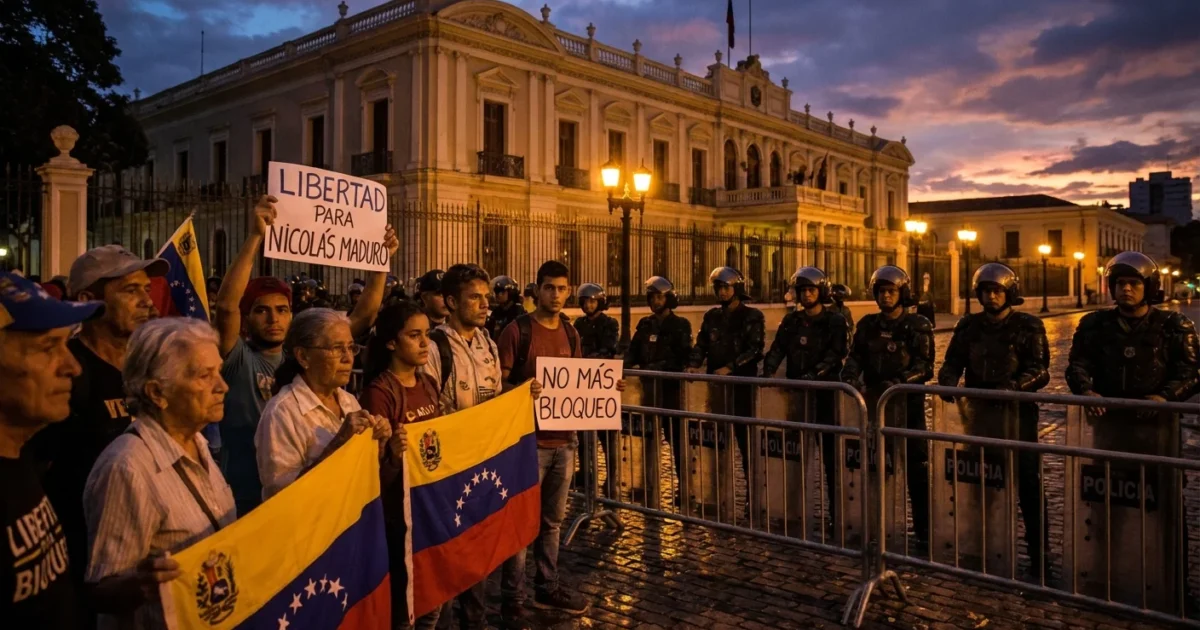
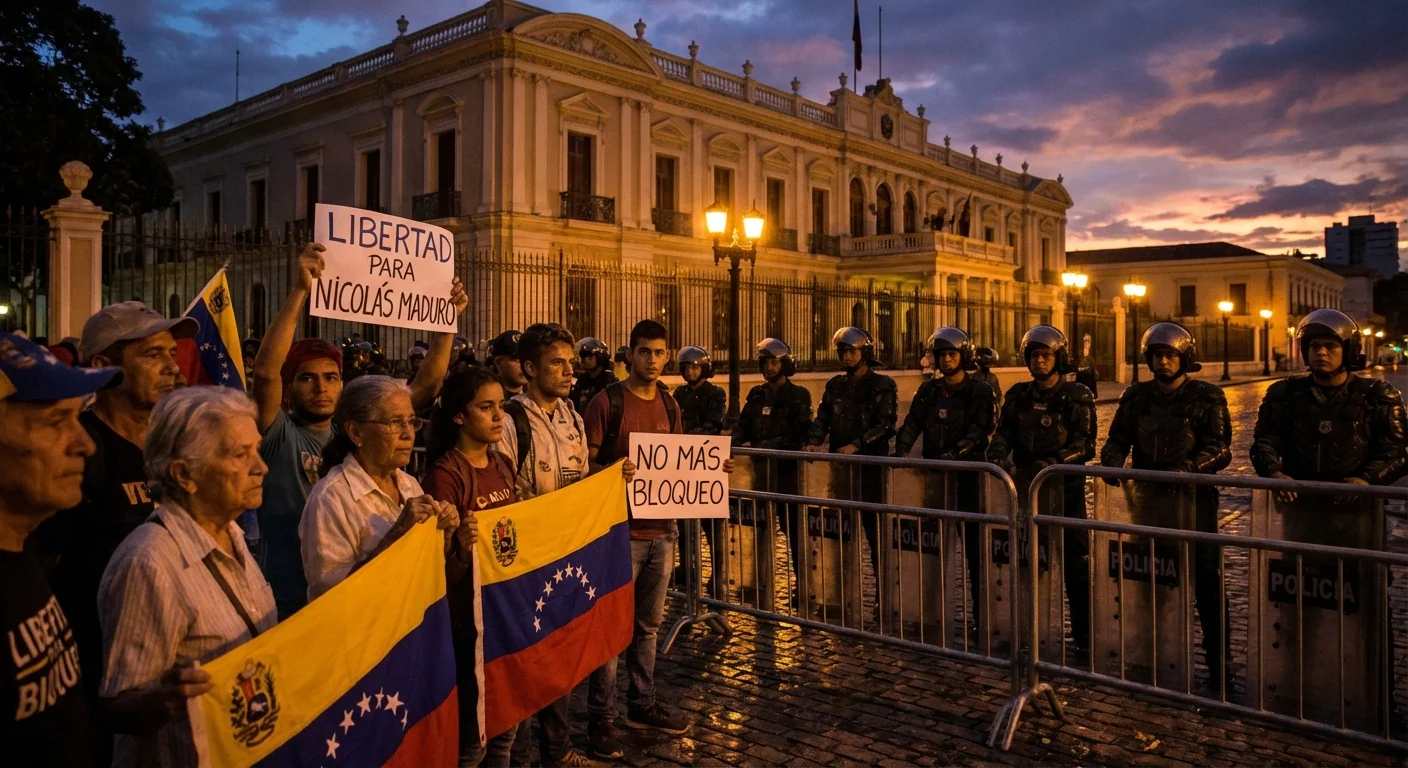
I am confirming that Caracas officials say President Nicolás Maduro is in custody after a U.S. operation. They are demanding his immediate release. Washington has not disclosed details. Moscow and Tehran have issued sharp condemnations. Venezuela’s future, and the fate of Chavismo, are on the line tonight.
The Law Comes First: Sovereignty, Immunity, and Use of Force
If U.S. personnel seized a sitting head of state on Venezuelan soil, the legal stakes are immense. The U.N. Charter protects state sovereignty and bars the use of force, except for self defense or Security Council approval. Any action inside Venezuela, without consent, triggers claims of an unlawful intervention.
Head of state immunity is another layer. Sitting leaders are usually immune from arrest by foreign courts. That shield is not absolute, and it is often contested when alleged crimes are international or transnational. Maduro has faced U.S. indictments tied to narcoterrorism, announced in 2020. But immunity claims, and where the arrest took place, still matter.
If the detention occurred outside Venezuela, different rules apply. Jurisdiction can expand if a wanted person enters another state or international airspace. Extradition law, or its shortcut cousin known as rendition, would then be in play.
Facts are moving fast. Legal analysis will harden as locations, warrants, and chain of custody become clear.
Inside Venezuela: Chávez’s Blueprint Meets a Stress Test
Hugo Chávez shaped a system built on mass mobilization, resource control, and loyal security forces. He named Maduro as successor. That continuity holds, until it does not. The next hours will test the state’s cohesion, from military barracks to communal councils.
Venezuela’s Constitution speaks to presidential absence. Article 233 lists scenarios that trigger a power transfer. Expect the vice president to claim continuity. Expect the opposition to cite constitutional gaps from past disputed elections. Who controls the streets, the media, and the barracks will decide which reading prevails.
Citizens face hard choices. Protests are likely. Authorities may declare states of exception or curfews. Those steps must be necessary and proportionate under Venezuelan law. Detentions must follow due process. Courts must remain open for habeas corpus. People have the right to peaceful assembly, and security forces must respect it.
If you demonstrate, record encounters, travel in groups, and note badge numbers. Ask for a lawyer if detained.
The Chávez Factor: Rights, Resources, and the Social State
Chávez built social programs with oil money and a narrative of sovereignty. That project, known as Chavismo, fused welfare, nationalism, and a combative foreign policy. It still binds millions, even after years of crisis. Today, that legacy shapes two urgent fights, one legal and one civic.
First, the state may lean on emergency powers to defend the “Bolivarian process.” That could limit speech and movement. Those limits must be temporary and strictly needed. Courts should scrutinize every decree.
Second, citizens will demand protection of social rights, like food, health, and fuel access. If supply chains break, the government must prioritize essential goods. Seizures or military controls of distribution must follow clear rules, with remedies for abuse.
Washington’s Playbook: Charges, War Powers, and Treaties
If the U.S. has custody of Maduro, prosecutors will point to existing indictments and extraterritorial statutes. They will argue that drug and corruption schemes harmed U.S. interests. Defense counsel will raise head of state immunity, jurisdiction, and the manner of capture.
Congress will want answers. The War Powers Resolution requires notice if U.S. forces were introduced into hostilities. If there was no hostilities context, officials must explain the legal hook instead, such as law enforcement cooperation or consent. Treaty obligations, including extradition pacts and human rights covenants, will frame the custody debate.
In the region, the Inter American system will stir. The OAS Democratic Charter could be invoked by either side. Some states will denounce intervention. Others will call the detention a step toward accountability. Chávez’s long campaign against U.S. power still sets the tone. Allies and rivals are lining up along familiar lines.
Head of state immunity is strongest in foreign courts for official acts. It is weakest for private acts, or after a leader leaves office.
The Immediate Legal Questions
- Where did the detention occur, and under what authority
- Is Maduro being held as a criminal defendant or as a security detainee
- What court will hear first challenges to jurisdiction and immunity
- What are the rules for consular access, counsel, and public filings
What Comes Next for Chavismo
Chavismo has survived coups, strikes, and sanctions. Its core claim is popular sovereignty against outside pressure. If Maduro remains in custody, the movement must name a lawful caretaker, pay wages, deliver fuel, and hold the streets without crossing legal lines. If he is released, the government will argue vindication and seek to tighten internal control.
Either path runs through Chávez’s legacy. It is a promise of dignity to some, and a warning about unchecked power to others. Tonight, that legacy enters a courtroom and a crisis room at the same time. The law will set the boundaries. Citizens will decide the rest. ⚖️