BREAKING: Whiplash in Caribbean Air Travel as Policy Reversal Collides with Cancellations
Caribbean travelers woke up to a jolt this morning. Flights are being canceled at U.S. hubs, even as airlines rush to restore island routes. The cause is a fast shift in U.S. airspace policy and fresh security reviews tied to Venezuela. The result, sudden changes on departure boards and a lot of confused passengers.
I can confirm the United States has lifted airspace limits that were tied to strike activity related to Venezuela. That green light lets carriers resume certain paths and schedules across the Caribbean. Airlines moved fast. Major carriers began restoring service and filing updated timetables. Some made public announcements on restarts to island destinations.
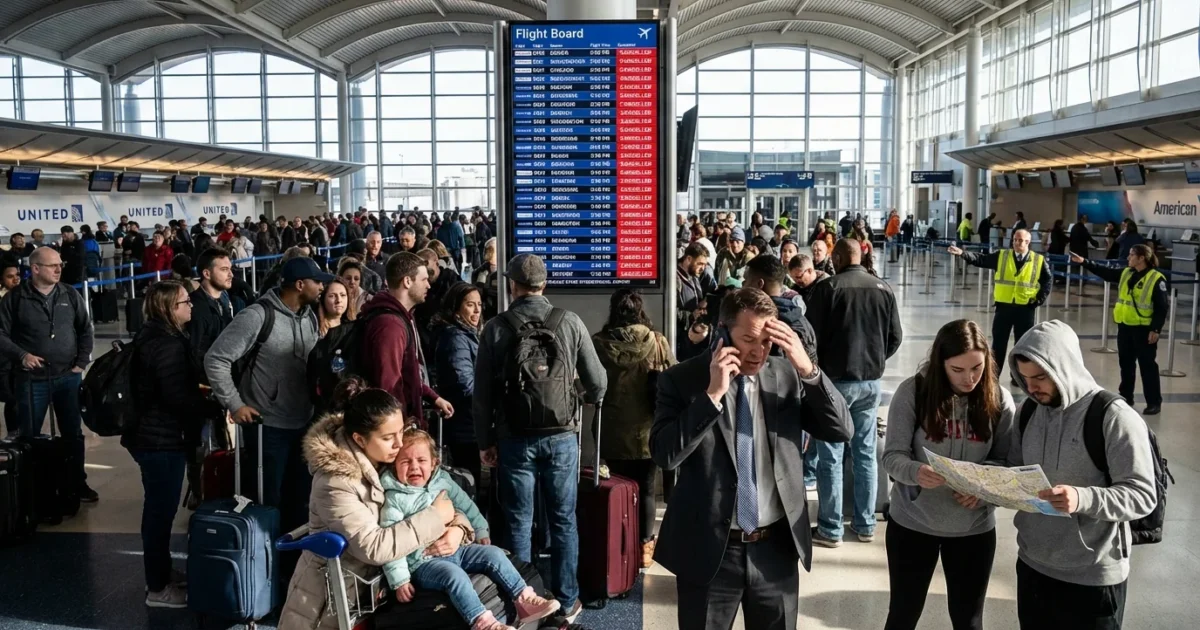
At the same time, reports about the status of Venezuelan leader Nicolás Maduro led to added checks on routes and crews. Chicago’s O’Hare and Midway saw 57 cancellations by midday as airlines paused, rerouted, or rebuilt crews. Expect more changes through the evening as aircraft reposition and crews time out.

What Changed in U.S. Policy
The key shift is a U.S. government decision to ease airspace restrictions that affected routes around Venezuela. This came through federal aviation notices and security guidance. It removed a barrier that had limited certain overwater paths and regional connections.
When those limits drop, airlines can plan shorter flights, carry more fuel margin, and restore direct service. That is what we are seeing now. Schedules to popular Caribbean points are coming back online. Hubs in Atlanta, Miami, New York, and Dallas are adding seats and crews.
But policy changes rarely flip a switch. Crews need legal rest. Aircraft must be staged. Dispatch teams must refile flight plans. Any parallel security alert, like the one tied to Venezuela today, can slow that rebuild. That is why some hubs look smooth while others look choppy.
Where Disruptions Are Hitting Now
Chicago is today’s pressure point. Dozens of departures and arrivals were scrubbed as carriers held aircraft and adjusted staffing. Some of those were Caribbean bound. Others were domestic flights that feed island routes. This ripple is normal when fleets and crews shift in real time.
Elsewhere, airports with deep Caribbean networks are trending toward restoration. Miami and Atlanta show more green on the boards. New York area airports are mixed, with rolling delays while carriers retime connections. Smaller gateways, like Orlando and Charlotte, are catching up as crews rotate.
Rolling changes will continue through the next 72 hours. Even a confirmed flight can move earlier or later with little notice.
Your Rights and What To Do in the Next 72 Hours
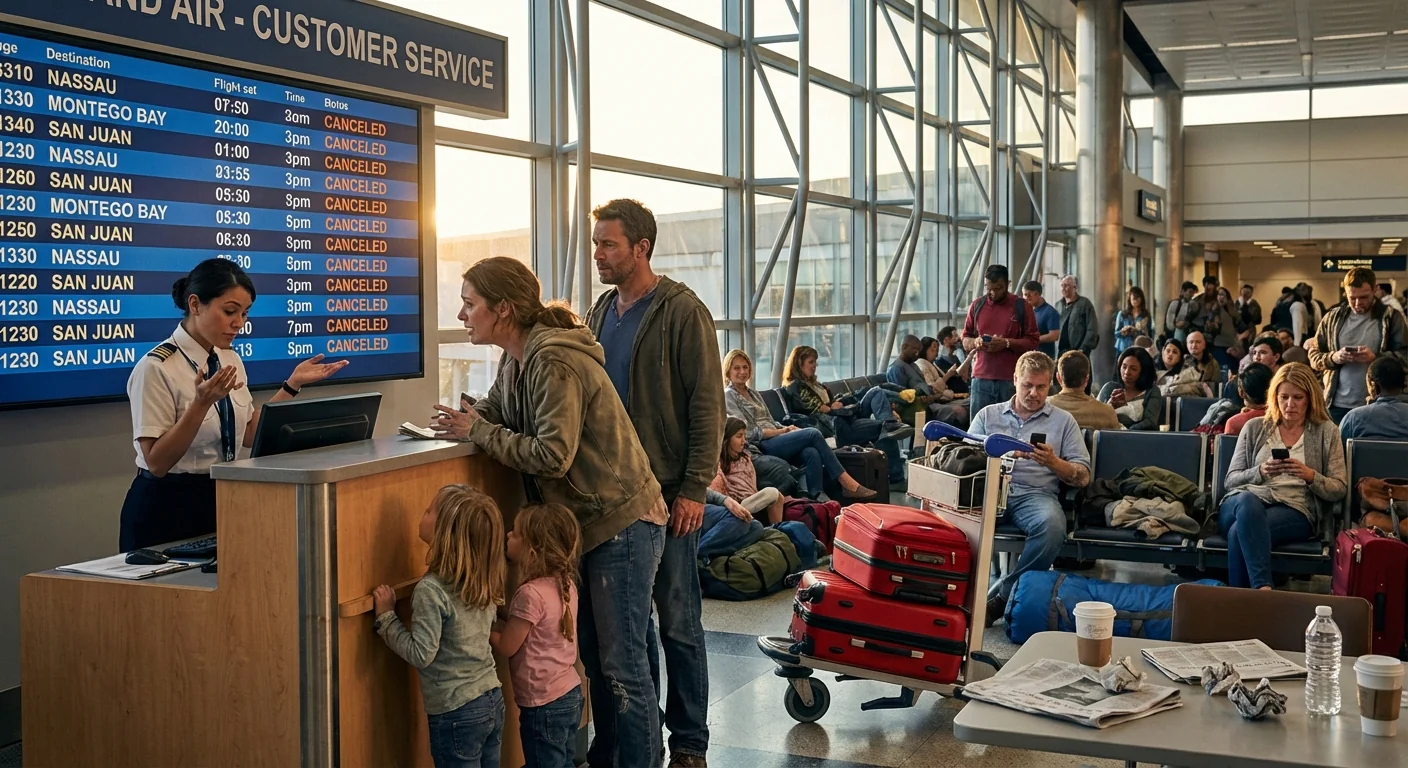
U.S. law is clear on refunds. If your flight is canceled, you can get your money back to the original form of payment. You do not have to accept a voucher. If your flight is significantly changed, you may also qualify for a refund under Department of Transportation rules.
For international trips, the Montreal Convention may let you claim proven losses from delay, like hotel or meal costs. Keep receipts. Airlines also publish customer service commitments that may include hotels or meal vouchers during controllable disruptions. These promises vary by carrier.
- Check your flight status every few hours, not just once. Use the app and sign up for text alerts.
- If canceled, request a cash refund first. Then look at rebooking options, including nearby airports.
- Save all receipts for meals, ground transport, and lodging. You may recover costs later.
- If you rebook yourself, keep the fare difference data. It can help with reimbursement claims.
Under DOT rules, a canceled flight means you can take a cash refund. You do not have to accept a voucher or airline credit.
The Legal Picture for Airlines
Airlines must follow DOT refund regulations and truth in scheduling rules. They cannot mislead you about your options. If you are denied a refund after a cancellation, you can file a complaint with DOT. That record matters. Regulators can and do enforce against unfair practices.
On the operations side, the Federal Aviation Administration controls airspace rules and routing. When FAA adjusts restrictions, carriers must amend flight plans and ensure crew duty limits are met. Transportation Security Administration, Customs and Border Protection, and the State Department add security advisories and travel alerts. Today’s mix of a policy easing, plus security review, is rare but lawful. It forces quick, lawful choices to keep flights safe.
Internationally, the Montreal Convention caps certain damages and sets deadlines. File claims as soon as possible. If you bought travel insurance, check for disruption coverage. Credit cards may offer trip delay benefits as well. Those are private contracts, and they sit on top of your baseline legal rights.
What To Watch Next
Airlines will keep rebuilding Caribbean schedules through the weekend. Expect more reopenings, but also brief pauses as aircraft and crews catch up. Hubs with big island networks will steady first. Secondary hubs will lag by a day or two.
The policy story is still moving. If U.S. authorities issue any new advisories connected to Venezuelan airspace or security, we will see fresh timetable edits. For now, the restoration trend is stronger than the cancellations, but the next 24 hours will be choppy.
Conclusion: This is a rights moment as much as a travel moment. Know that you can get a refund if your flight is canceled. Use the law, use the airline contracts, and keep proof of your costs. The Caribbean is reopening. Your best move is to stay alert, act fast, and hold the line on your rights. ✈️