BREAKING: Derrick Groves back in Louisiana custody, exposing deep jail security failures
I confirm that Derrick Groves, the convicted killer who capped a five month manhunt after the Orleans Parish jailbreak, is now held at Louisiana State Penitentiary at Angola. He waived extradition in October after his arrest in Atlanta, which cleared the way for a fast return to state custody. His escape, and the arrests tied to it, now force a blunt question on Louisiana’s leaders. How did a life sentenced inmate and nine others cut a hole, cross a fence, and vanish from a high security jail in the heart of New Orleans?
What I can confirm today
Groves was serving life for second degree murder tied to a 2024 Mardi Gras block party shooting that killed two people. On May 16, 2025, he and nine others breached the Orleans Parish Justice Center through a hole and then climbed a fence. Nine were tracked down within weeks. Groves stayed at large until October 8, when officers cornered him at a home in Atlanta and took him into custody.
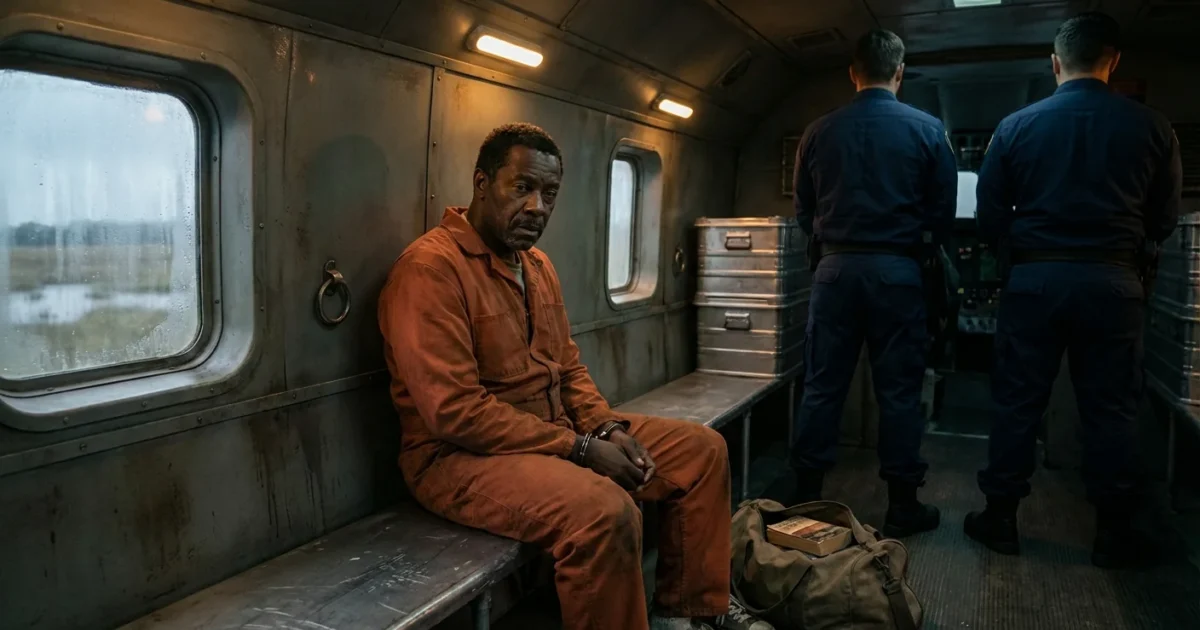
He chose not to fight extradition. He was flown back to Louisiana on October 10 and placed at Angola. He now faces potential new charges tied to the escape. Separate prosecutions target people accused of helping him. At least 16 individuals, including a former jail employee who was his partner, have been arrested in connection with aid to the escape.
How the jail failed
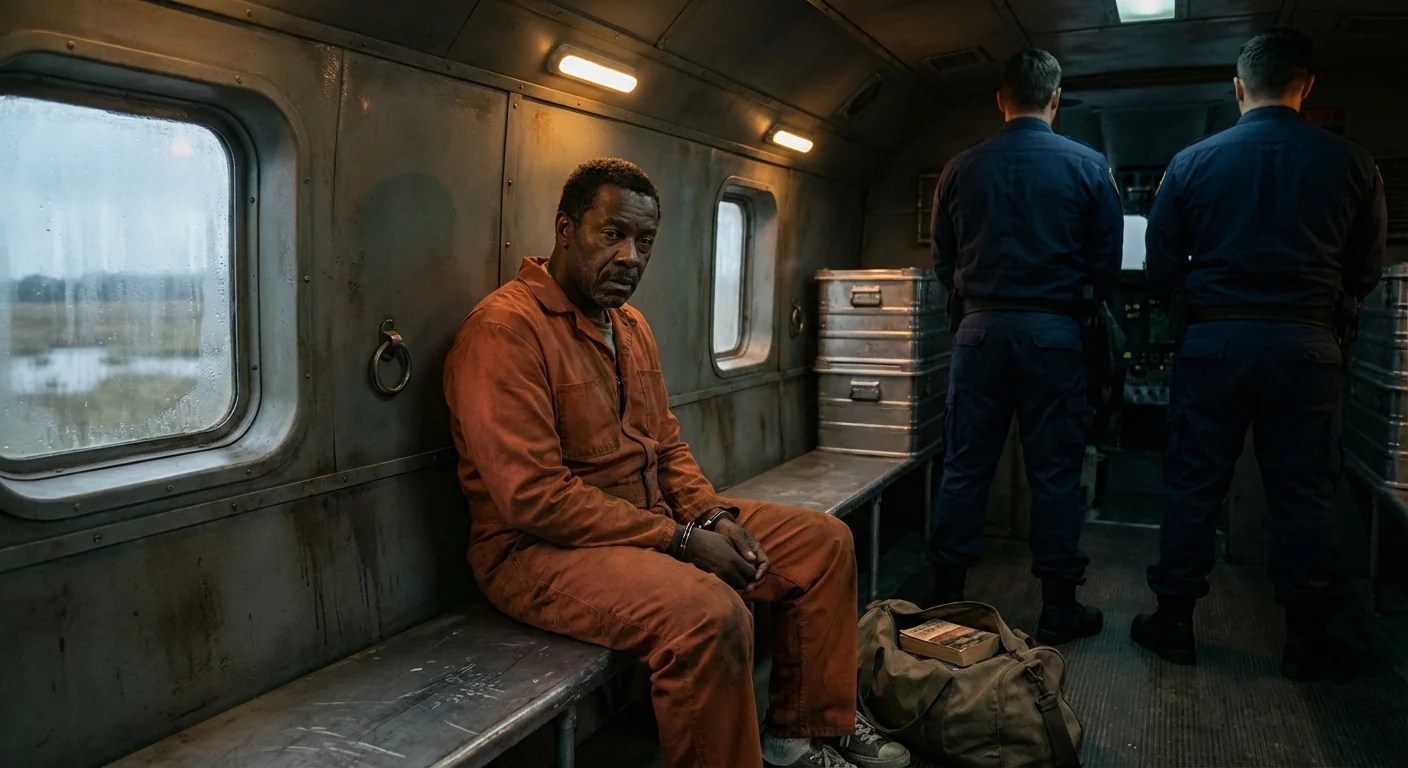
The escape was not a fluke. It was a chain of failures. Physical barriers were weak. A hole behind a fixture was exploited. Perimeter alerts and fence lines did not stop the exit. Video coverage and headcounts missed key moments. And, most alarming, investigators say some staff and associates helped the plan.
These gaps are not only technical. They are civic. Jail leaders are responsible for custody and for the safety of the public. When that duty breaks, the harm spreads far beyond the fence line. The longer Groves stayed free, the higher the risk to neighborhoods and to trust in government.
When staff complicity meets weak hardware, even the best policies look like paper. People, structure, and oversight must all work together.
The legal stakes for Groves, aides, and the government
Groves already has a life sentence. Prosecutors can still pursue an escape charge and any crimes tied to his time on the run. Those accused of helping him face serious felonies. That can include aiding an escape, conspiracy, obstruction, and, for any public employee, malfeasance in office. Each defendant has the right to counsel, to a fair hearing, and to contest the facts.
On the government side, the Orleans Parish Sheriff and state corrections officials face a policy reckoning. Expect disciplinary actions, contract reviews, and tighter controls on movement, keys, tools, and contractor access. Lawmakers can and should press for answers in hearings. The public has the right to know how tax funded systems failed and how they will be fixed.
By waiving extradition, Groves gave up his right to challenge the transfer in court, which sped his return to Louisiana custody.
Here is what needs to happen next to prevent a repeat:
- Harden the perimeter, repair breaches, and remove blind spots in camera coverage
- Lock down tool access, track maintenance work, and audit plumbing and wall repairs
- Strengthen staff screening, conflict checks, and real time supervision
- Publish incident timelines and inspection results on a set schedule
What citizens can do now
This is a public safety issue and a transparency test. Residents can use open records laws to request incident reports, staffing logs, and repair orders tied to the escape. They can attend public meetings and demand clear timelines for fixes. Community pressure helps keep reforms on track and keeps leaders honest.
Ask for the full post incident review, not just a summary. You have the right to see how decisions were made and by whom.
The bottom line
Groves is back behind bars. The danger he posed while free is over. The civic danger is not. A jailbreak by ten inmates, aided by people on the inside, is a policy failure that demands action. Hardware must be fixed, staff must be vetted, and oversight must be real. Public safety rests on custody that works, every hour of every day. This time, the manhunt ended. The reforms must begin, now.