BREAKING: CAIR Faces Twin Flashpoints, From Political-Legal Scrutiny To Mosque Fire Response
Today I can confirm two major developments involving the Council on American-Islamic Relations. A watchdog report targets CAIR’s political arm for alleged unregistered solicitation across multiple states. In Minnesota, a mosque fire has drawn a rapid response from CAIR’s state chapter and new calls for a hate crime probe. Both events land as Texas escalates its fight to label CAIR a terrorist group, setting up a high-stakes First Amendment battle.
What Happened And Why It Matters
A new watchdog analysis alleges CAIR Action, the group’s 501(c)(4) political arm, has operated in dozens of states without required state registrations. The report describes CAIR Action as an unlicensed interstate political solicitation enterprise. It raises questions about potential violations of state solicitation rules and other laws.
CAIR rejects those claims. The organization says it follows federal and state law and calls the report inaccurate and misleading. The facts that matter now are simple. States can require certain filings before a group raises money. Consequences for failing to file can include fines, orders to stop soliciting, and required refunds. In rare cases, criminal charges can follow if there is intent to deceive.
Important context, not spin. CAIR Action is a 501(c)(4). That means it can lobby and engage in some election-related activity. It must follow IRS rules, possible Federal Election Commission rules, and state fundraising rules. If states open inquiries, the key questions will be scope, intent, and whether donors were told the truth.
State attorneys general can investigate unregistered solicitation. They can seek injunctions, civil penalties, and donor restitution.
Minnesota Fire, Safety Concerns, And Civil Rights
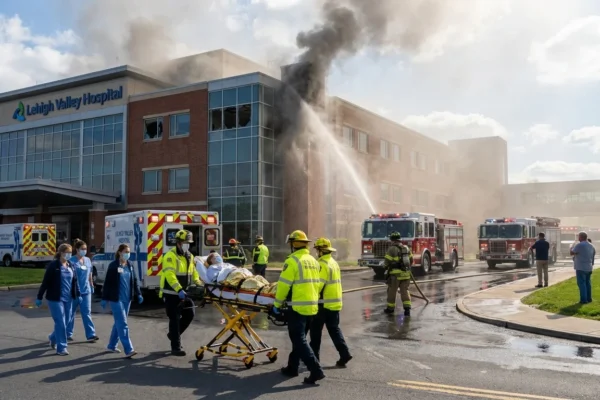
Early this morning, a fire hit a mosque and Islamic school in Prior Lake. CAIR-Minnesota organized a press response and urged a full investigation. If evidence shows bias, the case could be treated as a hate crime. That carries stronger penalties under Minnesota law and can trigger federal involvement.
This is a civil rights issue at its core. Houses of worship are protected by the First Amendment and by the Religious Land Use and Institutionalized Persons Act, known as RLUIPA. Law enforcement must treat threats, arson, and vandalism with urgency. The community also needs prompt updates and visible safety steps.
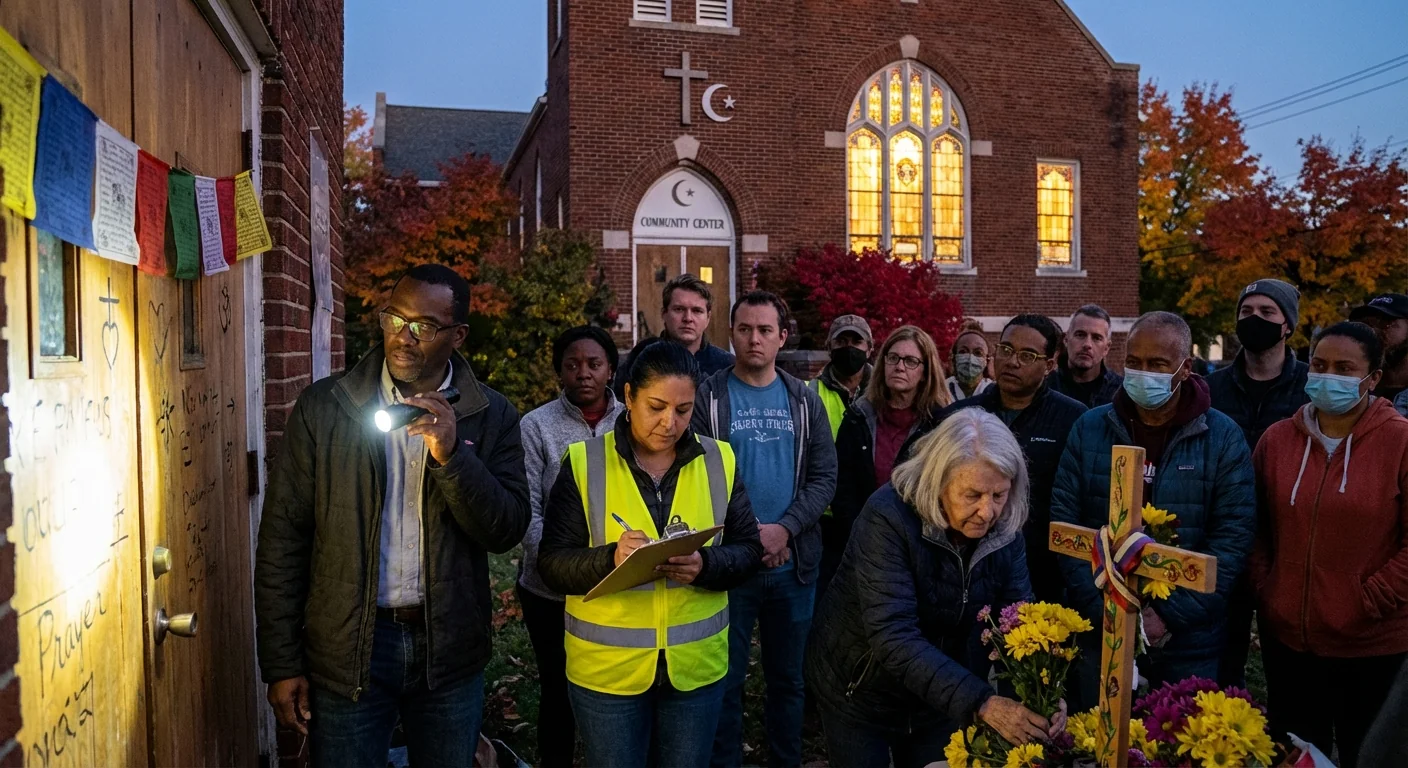
If your house of worship faces threats, document everything, call local police, and contact the FBI tip line. Ask your city about security grants and patrols.
Texas Tries A Terrorist Label, CAIR Sues
Texas Governor Greg Abbott has declared CAIR a foreign terrorist and transnational criminal organization. The order seeks to limit CAIR’s ability to buy property and operate in the state. CAIR and allied legal groups have filed a federal lawsuit. They argue the order violates due process, free speech, free association, and property rights. They also argue that states do not have authority to make terrorism designations like the federal government does.
Here is the legal fork in the road. Federal law controls material support for terrorism and formal terror lists. States can regulate contracts and property, but they cannot override federal designations. A court will likely weigh whether Texas used a fair process, relied on credible evidence, and respected constitutional limits. A preliminary injunction could arrive first, to pause enforcement while the case proceeds.

Sweeping labels without due process can chill speech, advocacy, and donations. Courts often look for clear evidence and fair procedures before allowing such orders to stand.
What Citizens, Donors, And Groups Should Know
You have rights to speak, organize, donate, and worship. Governments have power to enforce neutral laws, but they must respect the Constitution. If states investigate any nonprofit, they must use clear standards and evenhanded rules.
If you donate or volunteer, be careful and confident at the same time. Ask questions, review public filings, and trust your values.
- Check a group’s IRS status, recent Form 990, and state fundraising registrations.
- Ask how your donation will be used and stored, including data privacy.
- Keep receipts, and report suspected fraud to your state attorney general.
Conclusion
The story today has two fronts. A legal test of political fundraising rules and a community’s demand for safety after a mosque fire. Looming over both is Texas, where a state designation collides with core constitutional protections. I will track the filings, the investigations, and the courtroom clock. The stakes are clear. The law must guard both public safety and the rights that define us.