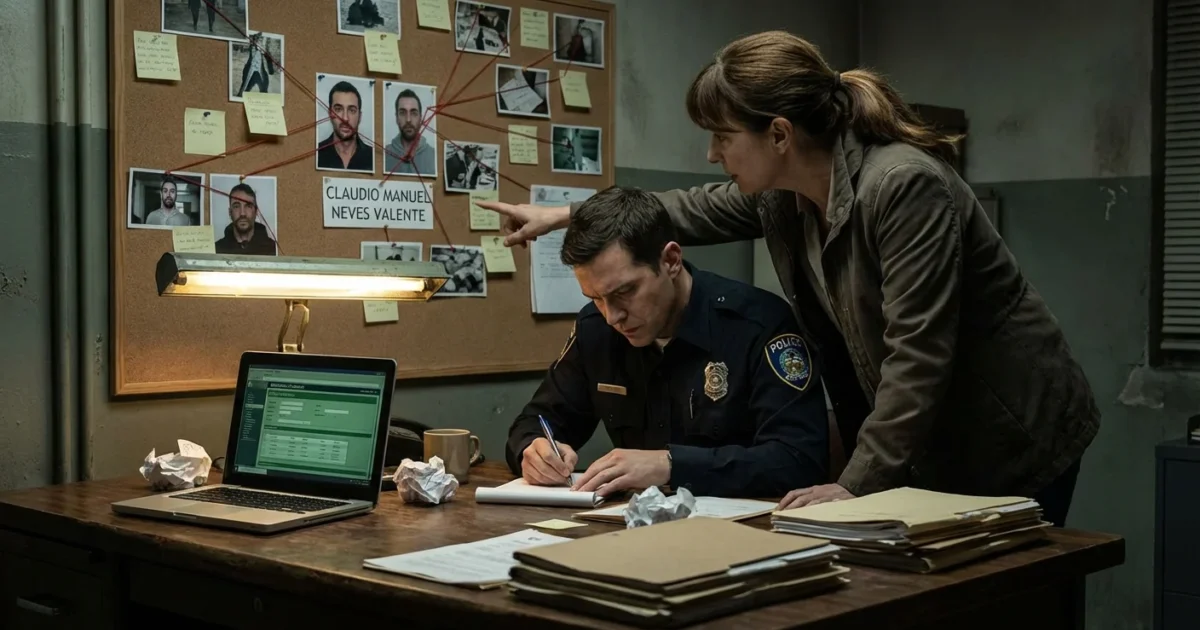
BREAKING: Claudio Manuel Neves Valente named as accused in Brown University shooting probe
Authorities have publicly identified Claudio Manuel Neves Valente as the accused suspect in the Brown University shooting. The investigation is moving fast. The name comes after a blend of police work, a civilian tip, and a widely shared online post. The legal clock now starts for every party involved.
Valente is accused, not convicted. He is entitled to the presumption of innocence and full due process.
What we know now
Law enforcement officials confirmed that Valente has been named as the accused. Formal charges, arraignment details, and motive are still being finalized. Prosecutors are preparing filings. The court will decide on bail and any conditions for release. Until then, official statements will carry the most weight.
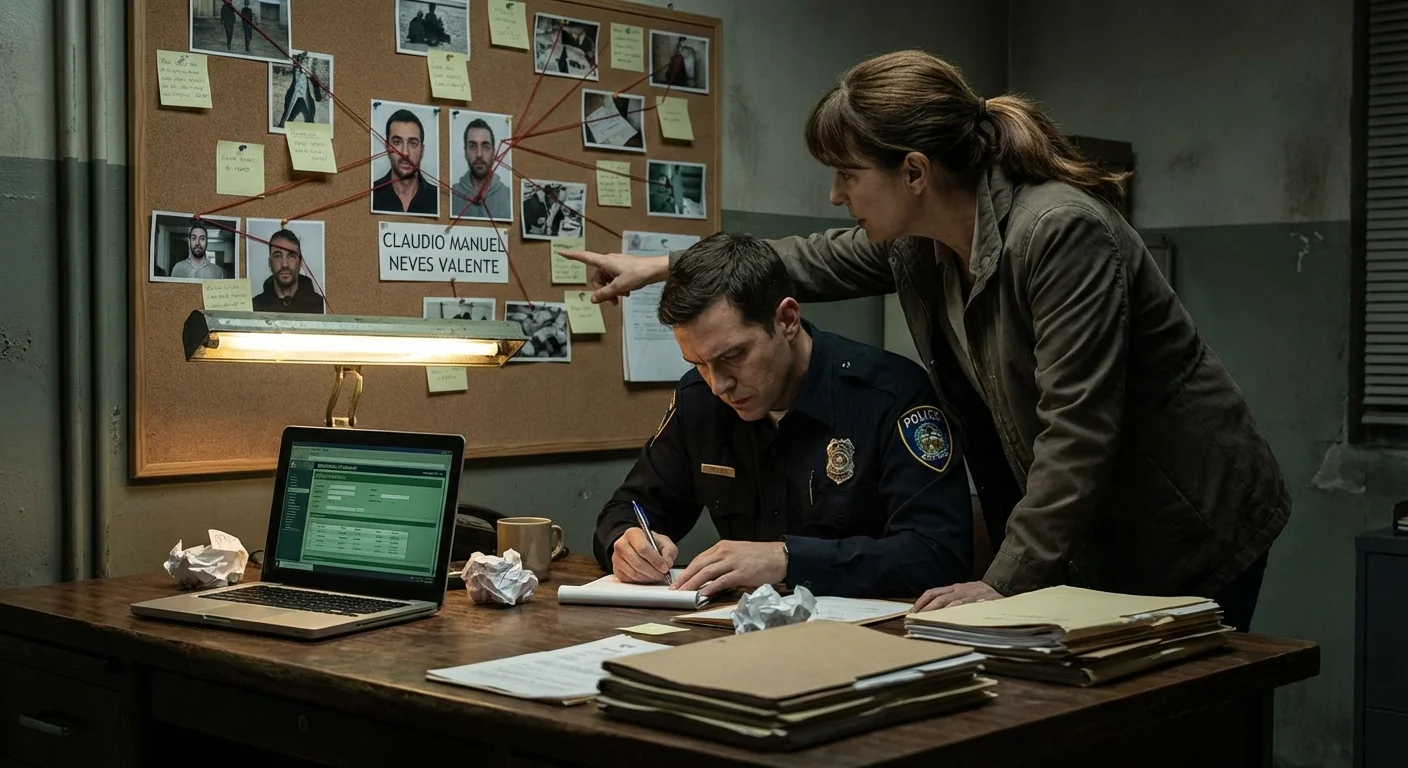
Investigators say a public forum post, paired with a direct tip from a civilian, helped steer the case. Digital leads pointed to a name. Traditional police work followed. Officers then used standard tools, including interviews and records checks, to confirm what they could. This mix is now common in major cases, and it raises both hopes and hard questions.
The legal stakes for everyone
For Valente, constitutional rights are now front and center. He has the right to remain silent, to counsel, and to a speedy and public hearing. Any interrogation must follow Miranda rules. If charged, a judge will weigh probable cause. Bail decisions must consider safety, risk of flight, and the strength of the evidence.
For victims and the campus, state and federal laws require timely alerts and support. The Clery Act pushes universities to warn students and staff about serious threats. Brown’s safety orders, no weapons rules, and emergency messaging will be in sharp focus. Expect questions about response times and campus lockdown protocols.
Pretrial publicity will be a live issue. Courts can use protective orders, careful jury selection, and venue changes to protect fairness. Officials must release facts without poisoning the pool of future jurors.
Crowdsourcing meets criminal procedure
This case highlights the power and peril of online sleuthing. Crowdsourced tips can speed an investigation. They can also cause harm if wrong. Misidentifications spread fast and can wreck lives. The law is starting to catch up.
- False public accusations can trigger defamation claims
- Posting private data can violate state doxxing or harassment laws
- Interfering with witnesses can be a crime
- Sharing unverified images can taint future juries
Courts will also ask how digital leads were collected and handled. Chain of custody matters, even for bits and pixels. If a tip led to evidence, prosecutors must show that the search was lawful. Defense counsel can move to suppress anything that crossed the line.
Do not doxx or harass anyone. Report tips to police, not to the crowd. Mistakes can become crimes and lawsuits.

Policy implications
Police departments are leaning into public tip lines and digital forensics. Many now publish guidance for online tips. Expect renewed calls for clear rules on how agencies vet crowdsourced leads. There is also momentum for training on bias risks in image matching and name sharing.
Universities will revisit threat assessment and student support. That includes mental health referrals, campus access controls, and how to respond when an off campus investigation touches student life. FERPA limits what schools can share about student records, but safety exceptions are narrow and defined.
Citizen rights and smart actions
You have rights during a fast moving probe. You also have responsibilities. Here is the bottom line if police contact you or if you think you have a tip:
- You can ask if you are free to leave, and you can remain silent
- You can request a lawyer before answering questions
- Share tips through official portals or 911, not public threads
- Do not post names or addresses of people you suspect
- Preserve evidence in place, do not trespass or hack to get it
If you have information, call the local police tip line or submit through the department’s official website. Keep screenshots and timestamps.
What comes next
Watch for the charging documents and the probable cause affidavit. These filings will set the legal frame for the case. A first court appearance will address counsel and bail. Discovery will follow, with deadlines and hearings on evidence. The court will guard fairness while the community seeks answers.
This moment tests how we balance speed with care. Police used a hybrid model, part digital, part traditional, to reach an accused name. Now the justice system must take over. Rights must be protected. Safety must be maintained. Accuracy must win over noise. That is how trust is built, case by case, even in the heat of breaking news.