BREAKING: Shooting on Brown University Campus Prompts Swift Legal and Civic Response
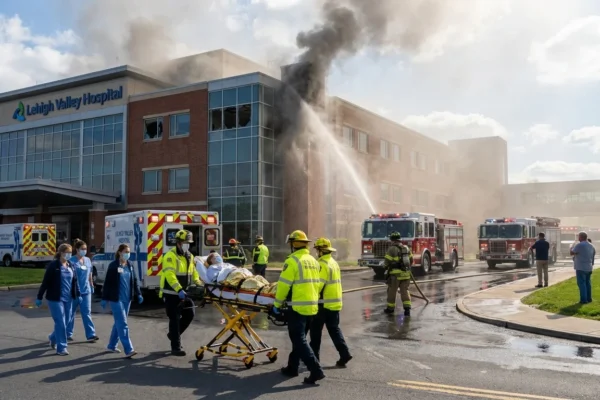
Brown University is in shock today after a shooting on campus. Law enforcement moved quickly. Campus officials ordered safety measures as investigators secured multiple sites. A person of interest is now detained. The motive is not yet clear. Officials have not released casualty numbers. This is an active and evolving situation.
What We Know Right Now
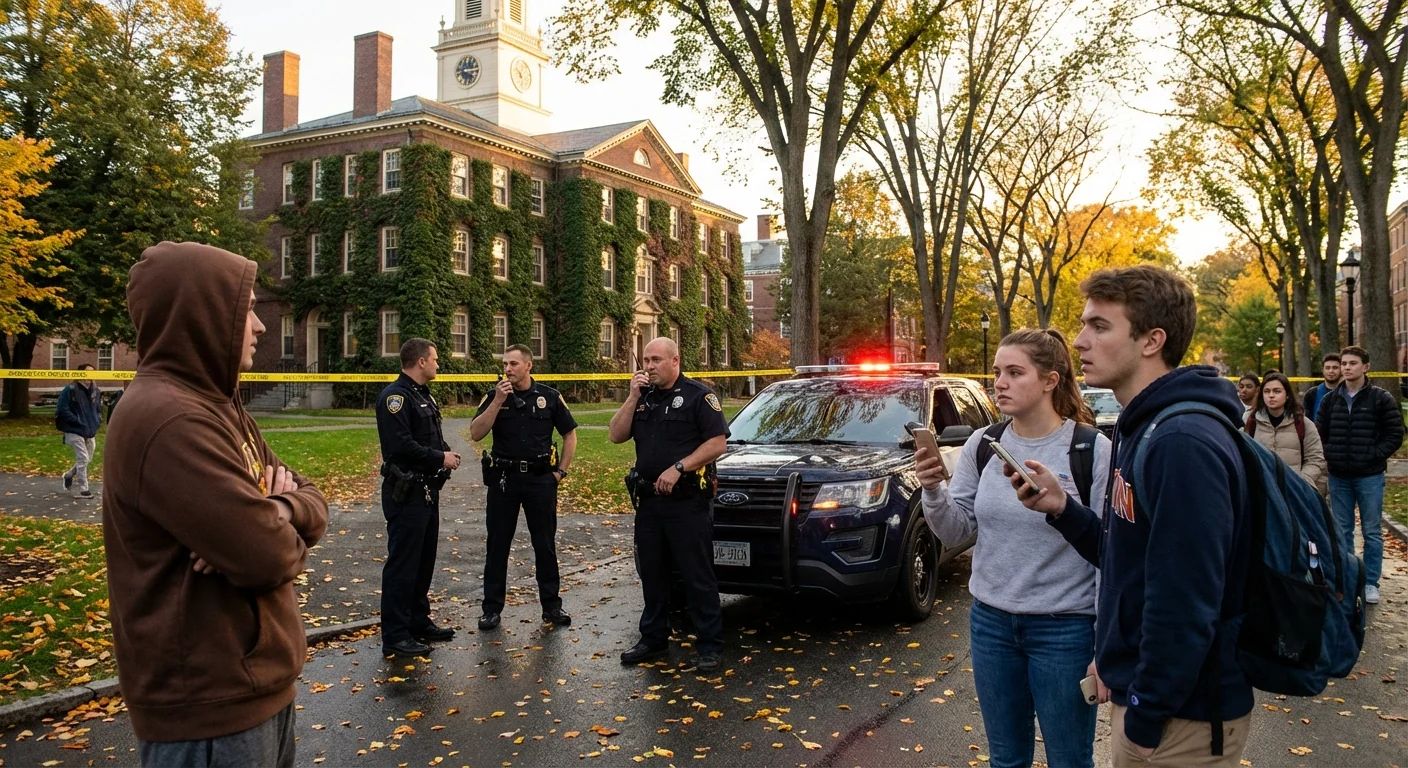
Police responded to reports of gunfire on campus earlier today. Officers entered academic and residential areas and guided students to shelter. The scene remains under investigation. Detectives are interviewing witnesses and reviewing video. The person detained is being questioned. No charges have been announced at this time.
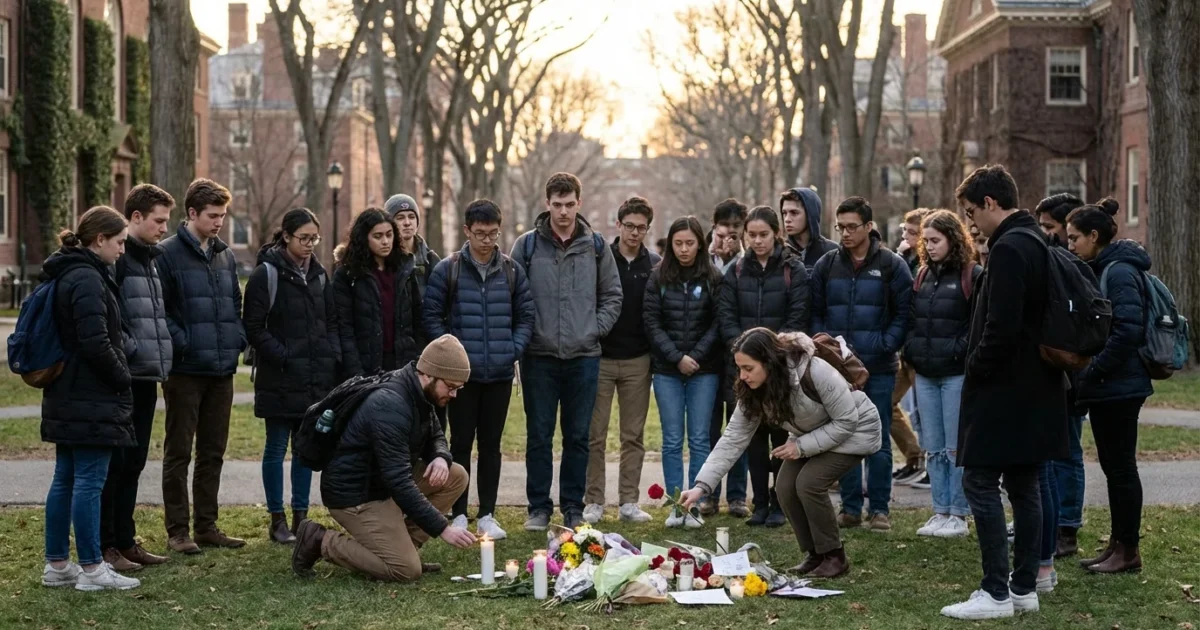
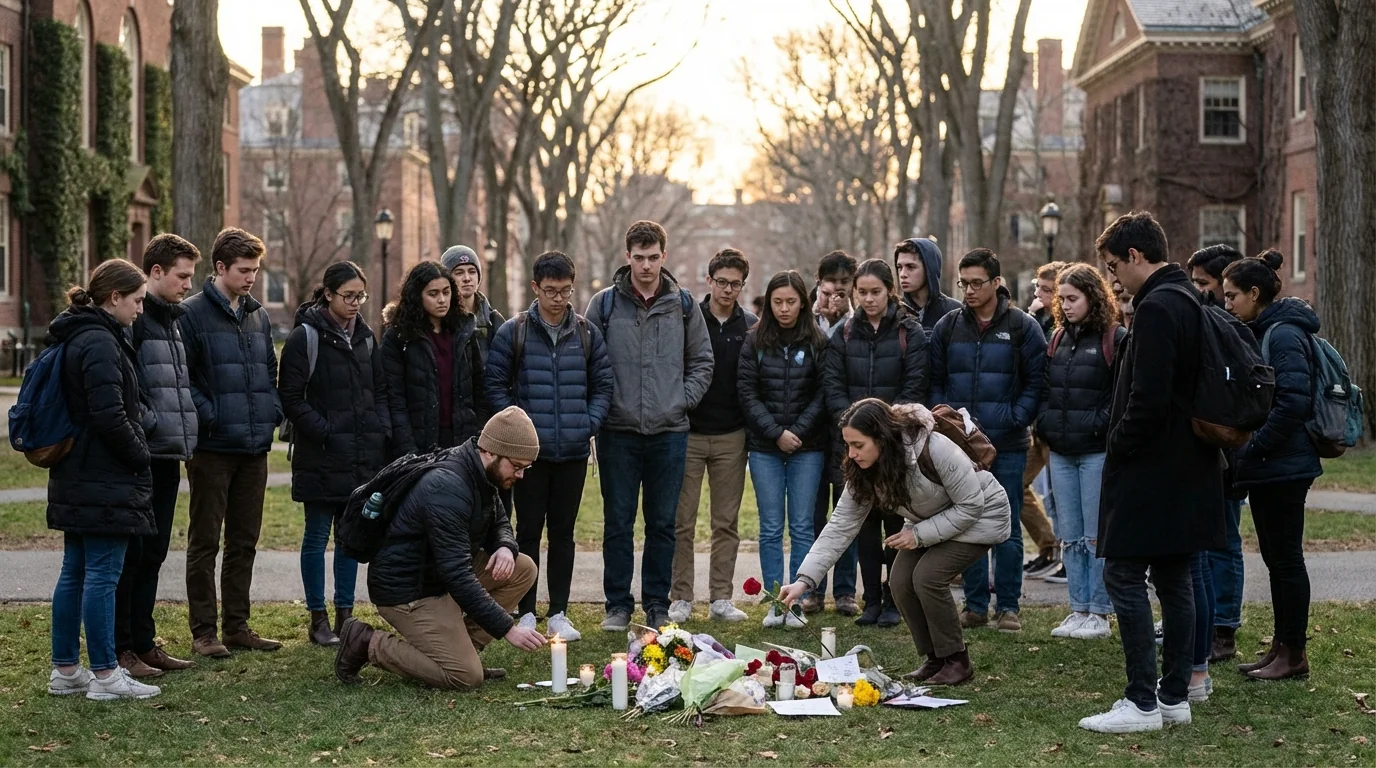
Students gathered quietly this afternoon at a growing memorial on a central campus green. Flowers, candles, and handwritten notes line the walkway. Classes and events near the site were disrupted as the area was cordoned off for safety and respect.
Campus alerts went out by text and email. Those alerts are required by federal law when there is an immediate threat. The university says updates will continue as more is confirmed. Community members should monitor official channels and follow police instructions.
Early details often change in the first 24 hours. Treat all unofficial claims as unconfirmed until authorities update the record.
The Legal Picture, Plainly
A person of interest is not the same as a suspect. Police use the term when they want to speak with someone who may have useful information. The person detained today is presumed innocent. They have the right to remain silent and the right to an attorney. If charges follow, the case will move to court where evidence must meet legal standards.
Investigators must lawfully collect evidence. That includes warrants for private spaces, clear consent for searches, and careful handling of digital data. On a campus, jurisdiction can be shared. Brown’s public safety officers work with city police and state authorities under formal agreements. Expect a joint command structure and a unified briefing schedule.
Federal law, known as the Clery Act, requires the university to issue timely alerts, maintain a daily crime log, and publish an annual security report. An emergency notification was appropriate today given the immediate threat. A timely warning may follow if a broader risk remains.
Rhode Island law allows an extreme risk protection order. A court can temporarily restrict access to firearms if there is a credible danger. That is a separate civil process from criminal charges. It is too early to know whether that law will be used here.
Support for Victims and Students
The memorial taking shape is more than a symbol. It is a sign of shared grief and an anchor for healing. Counselors and chaplains are typically mobilized in events like this. Students should look for official emails listing walk‑in hours, hotlines, and locations for group support. Faculty are often asked to offer flexibility on deadlines and attendance.
If you witnessed the incident, you can help and still protect your rights.
- Write down what you saw, including time and place, while it is fresh.
- Save photos or videos. Do not post them. Share with investigators.
- If police request a statement, you may ask to have a support person or attorney present.
If you feel unsafe returning to class, contact the dean of students or your department. Ask about short term academic adjustments and trauma support.
Crime victims in Rhode Island have rights. These include respectful treatment, information about the case, and access to compensation for certain costs. Students can also seek no‑contact measures and housing changes through the university.
Policy Questions We Must Confront
This incident tests campus safety plans. It raises hard questions about secure building access, drills, and real time communication. It also points to mental health needs. Threat assessment teams work best when they are staffed and trusted. Students often see warning signs first. They need clear ways to report concerns without fear of stigma.
Lawmakers will look at data sharing between schools and police. They may revisit funding for counseling, training for de escalation, and awareness of extreme risk orders. The goal is not a quick fix. It is a layered approach. Physical security, fair enforcement, and accessible care must work together.
Do not spread names or images of anyone detained unless police confirm. Misidentification can cause harm and legal risk.