Thailand’s border is cracking open during its biggest regional showcase. As the 33rd SEA Games get underway in Bangkok and Chonburi, fresh fighting along the Thailand, Cambodia frontier has flared again. Cambodia has pulled its athletes, citing safety. Civilians are fleeing in huge numbers. The law, and the public interest, now sit at the center of this crisis.
What happened, and why it matters
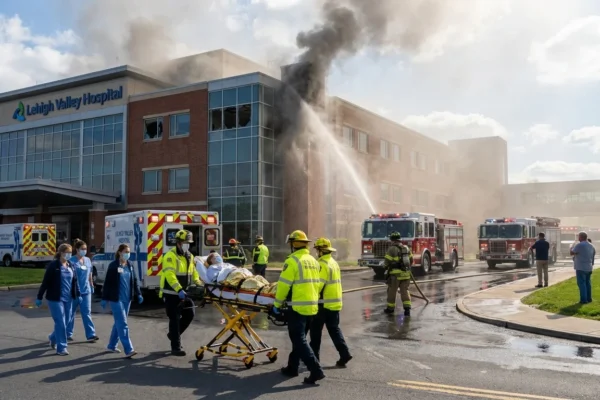
Artillery, airstrikes, and drones returned to the border this week. The clashes are the worst since July. I am tracking large-scale displacement on both sides, with estimates approaching half a million people. Casualties include civilians and soldiers. Local clinics and schools are under strain. Reports also point to damage near the Preah Vihear area and Prasat Ta Krabey, both culturally sensitive zones.
Damage to cultural heritage is not just a tragedy, it can be a crime. The 1954 Hague framework and UNESCO rules obligate states to protect cultural sites in conflict.
Cambodia’s withdrawal from the SEA Games is a hard signal. It questions the host’s ability to guarantee athlete and spectator safety. That becomes a legal issue, not just a sporting one. Event insurance, force majeure clauses, and duty of care are now in play for organizers, venues, and participating teams.
Law, policy, and citizen rights
Thai authorities are moving to secure border districts and transport corridors serving the Games. Any emergency measures must stay within the Constitution and human rights standards. Curfews, searches, and movement limits require clear legal grounds, narrow scope, and time limits. Courts remain a check. Independent oversight is vital.
People displaced by the shelling have rights too. Thailand must ensure access to food, water, shelter, and medical care, without discrimination. Families separated by the fighting need safe reunification channels. If cross‑border asylum claims arise, screening must meet international standards and avoid refoulement.
The state also has a duty to protect athletes, officials, and fans attending the Games. That means credible risk assessment, visible security, and transparent incident reporting. If an event cannot be made safe, postponement or relocation is the lawful path.
- Key steps citizens can take now: keep IDs and medical cards on hand, follow official evacuation routes, document property damage with photos, and request receipts for any seized items during searches.
If you are displaced, ask officials for registration documents. They help secure aid, legal assistance, and later compensation claims.
Sports diplomacy, now under pressure
The SEA Games are built to heal rifts. This week they are exposing them. Cambodia’s exit shakes regional solidarity and puts pressure on ASEAN to do more than issue statements. Expect calls for an emergency ASEAN session, with observers on the ground and a hotline between militaries to avoid miscalculation.
U.S. President Donald Trump has offered to mediate. That creates diplomatic leverage, but Southeast Asia’s own tools should lead. The ASEAN Charter and the Treaty of Amity and Cooperation encourage peaceful settlement. Practical measures can include a ceasefire monitoring team, pre‑notification of military movements near the border, and protected humanitarian corridors.
UNESCO attention is likely if heritage is at risk. A joint Thai, Cambodian mission to assess damage, and remove munitions near temples, would meet legal duties and calm tempers.
Economy and public health, pulled off course
Thailand’s economy needs calm. Headline inflation is still negative. Policy makers are weighing new support like Khon La Khrueng Plus to lift spending in early 2026. Investors watch two things right now, the border risk and the viability of long term plans in the Eastern Economic Corridor. A drawn out confrontation raises the country risk premium, delays projects, and hits tourism during a showcase month.
Public health is another stress point. Hat Yai is managing a leptospirosis outbreak. Crowded shelters, wet conditions, and strained sanitation can spread disease. The government must surge clean water, waste collection, and mobile clinics to temporary sites. Health data should guide shelter placement and school reopening.