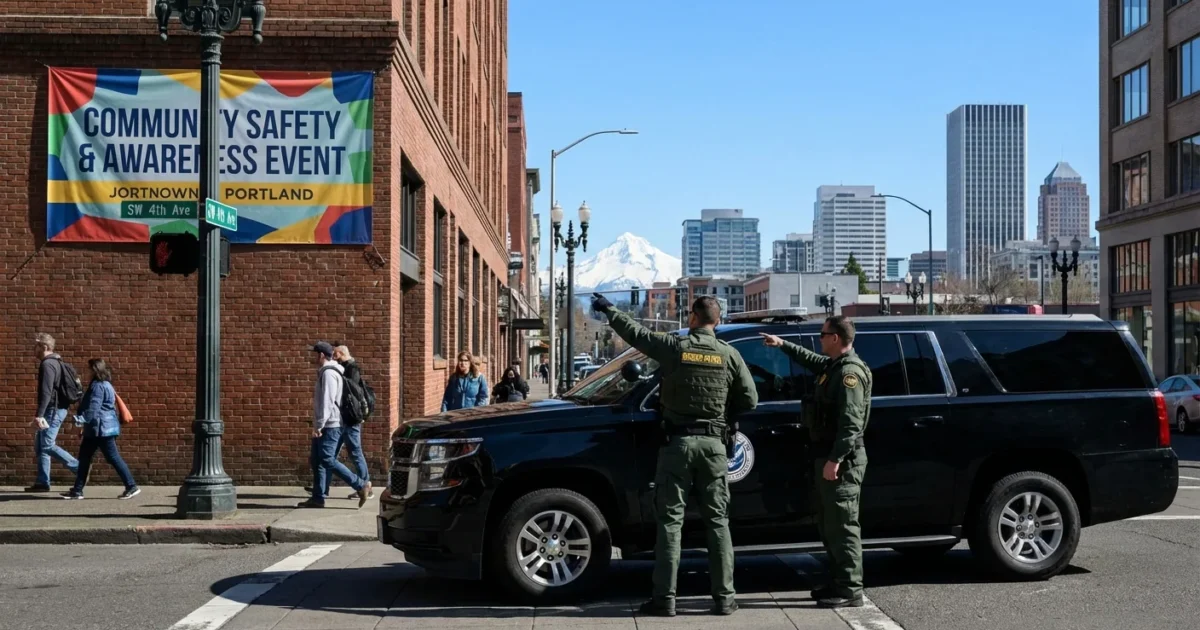
BREAKING: DHS confirms two people were shot by federal border agents during a targeted traffic stop in East Portland today. The agency tells me the shooters were U.S. Border Patrol, not ICE. Both people were hospitalized. Their conditions are not yet known. The incident is already triggering legal and political shockwaves across the region.
What happened, and what is confirmed
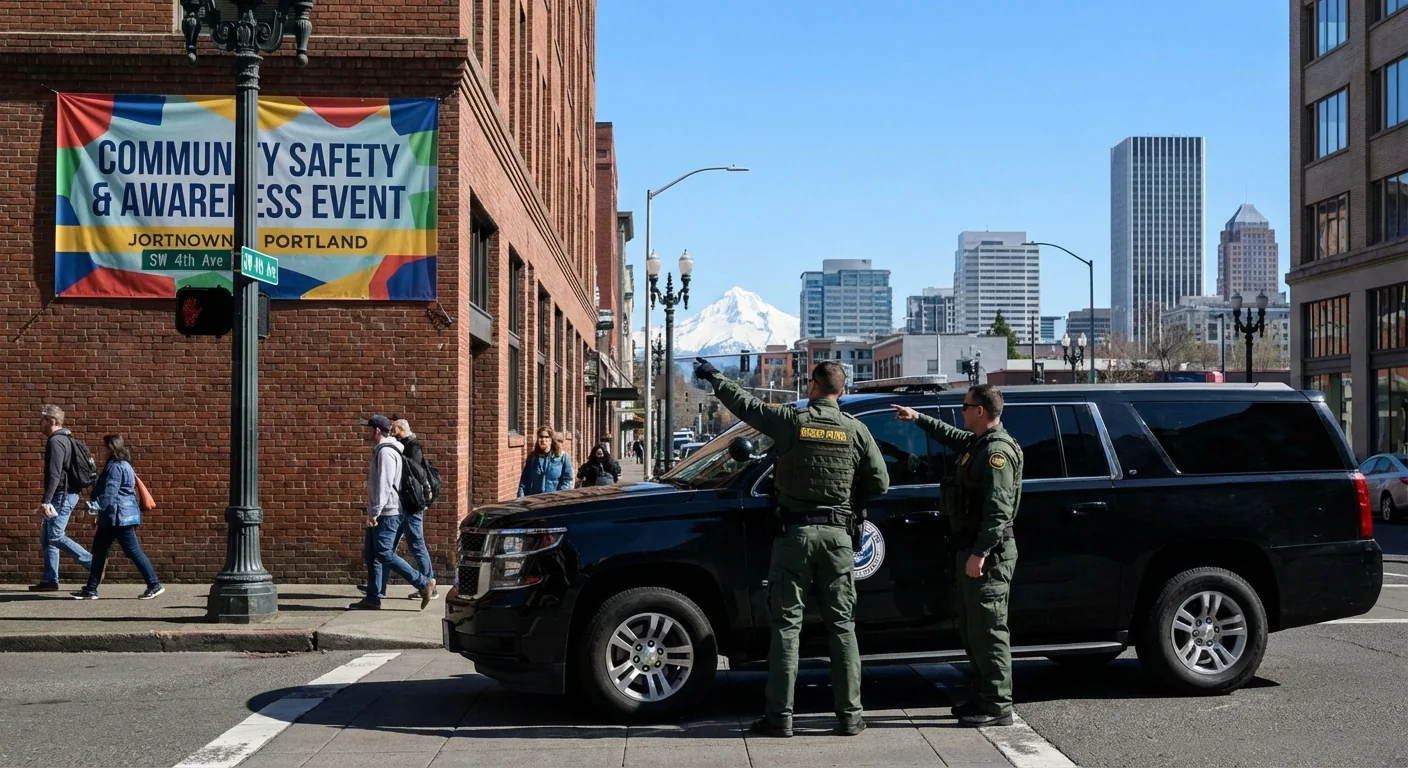
Federal officials confirm a Border Patrol team conducted a targeted stop in East Portland. During that stop, agents fired their weapons and struck two individuals. Why agents opened fire has not been released. I am tracking those details directly with DHS and local authorities.
Early public chatter misnamed this as an ICE shooting. It was not. ICE handles civil immigration enforcement. Border Patrol is part of Customs and Border Protection, which is focused on border security. Both sit under DHS, but they have different missions and rules.
A Washington lawmaker called the agents lawless within minutes of DHS confirming the shooting. That charge raises stakes for oversight. It also raises pressure on city and state officials to insist on transparency.
What we know
- Border Patrol agents conducted a targeted traffic stop in East Portland.
- Agents shot and wounded two people during the encounter.
- Both people were taken to hospitals, conditions not yet released.
- Federal and local investigations have started.
What we do not know
- The specific reason for the stop and use of force.
- Whether the people were armed or posed an imminent threat.
- Whether agents had body cameras recording.
- Any arrests or charges tied to the stop.
Who has authority here
Border Patrol has national authority tied to immigration and border laws. That includes operating within 100 miles of a land or coastal border. Portland is inside that zone. Even so, agents must follow the Constitution like any other officer. Stops require reasonable suspicion or probable cause. Force must be reasonable under the Fourth Amendment.
Portland is a sanctuary city. That policy limits local help on civil immigration enforcement. It does not block federal officers from acting under federal law. It does shape how Portland police coordinate after a critical incident.
CBP is the parent agency for Border Patrol. ICE is a separate agency. Both are within DHS, but they are not the same.
The legal frame, in plain terms
Deadly force law is clear. Officers may use deadly force only if they face an imminent threat to life or serious injury. Courts judge each case by what a reasonable officer knew in the moment, not with hindsight. This standard comes from key Supreme Court rulings, including Graham v. Connor and Tennessee v. Garner.
A traffic stop is a seizure. That means Fourth Amendment protections apply. Any evidence or statements can be challenged if the stop lacked legal grounds. If force was excessive, civil claims can follow against the United States and individual officers, subject to complex immunity rules.
Do not rush to the scene or interfere. Crossing police lines can lead to arrest and can harm the investigation.
Oversight, investigations, and what happens next
Multiple reviews are now in motion. I have confirmed that federal and local authorities are engaged. In cases like this, several layers of oversight apply.
- CBP’s Office of Professional Responsibility conducts an internal investigation.
- DHS’s Office of Inspector General is notified and can take the lead.
- The local police bureau secures the scene and documents evidence.
- The county district attorney reviews the use of force for potential crimes.
The U.S. Attorney may also review the case under federal criminal civil rights laws. If body camera or dash video exists, retention rules require it be preserved. Public release timelines vary by agency and by law. Oregon’s public records laws can apply to local materials. Federal records follow a different process.
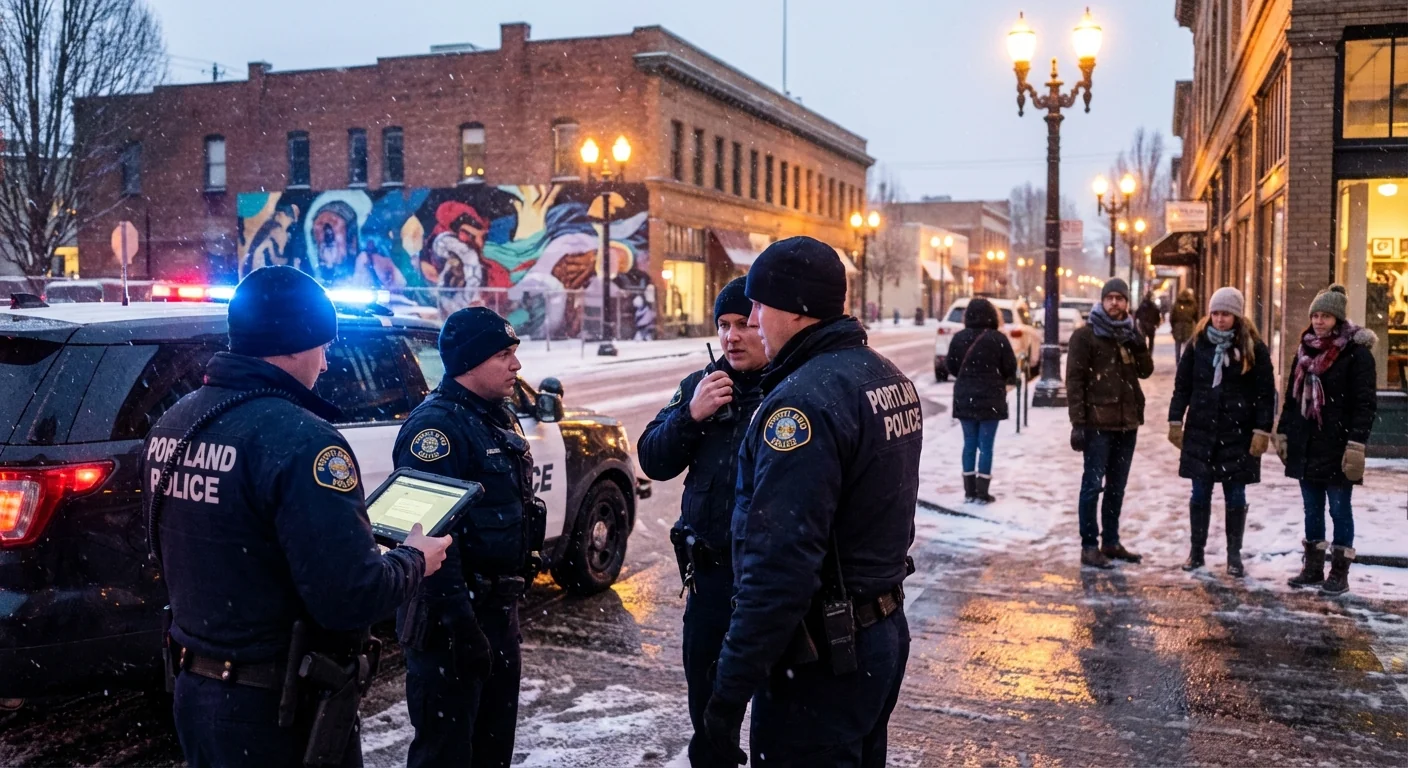
Portland has lived through tense federal local clashes before. That history will drive demands for quick facts, video, and a clear timeline. Expect calls for independent review, town halls, and policy hearings at City Hall and in Salem.
If you witnessed the incident, write down what you saw now. Then contact investigators. Your unedited account can be critical evidence.
Your rights and practical steps ⚖️
If you are stopped by any officer, you have basic rights. You can ask if you are free to leave. You can remain silent, though you may need to identify yourself under state law. You can record from a safe distance, as long as you do not interfere. You can ask for a lawyer if you are detained or arrested. These rights apply regardless of which federal or local badge is in front of you.
If you believe your rights were violated, document everything. Save video. Get names, badge numbers, and any vehicle details. File a complaint with CBP for Border Patrol actions and with Portland’s oversight office for local conduct. Civil rights groups can help you navigate options.
The bottom line
Tonight, East Portland is waiting for answers. Border Patrol agents shot two people during a targeted stop, and key facts remain sealed. The law demands reasonableness, documentation, and independent review. My team is pressing for the full sequence, the legal basis for the stop, and any video. Accountability, for both federal and local actors, will hinge on those facts. I will update as soon as those facts are confirmed.