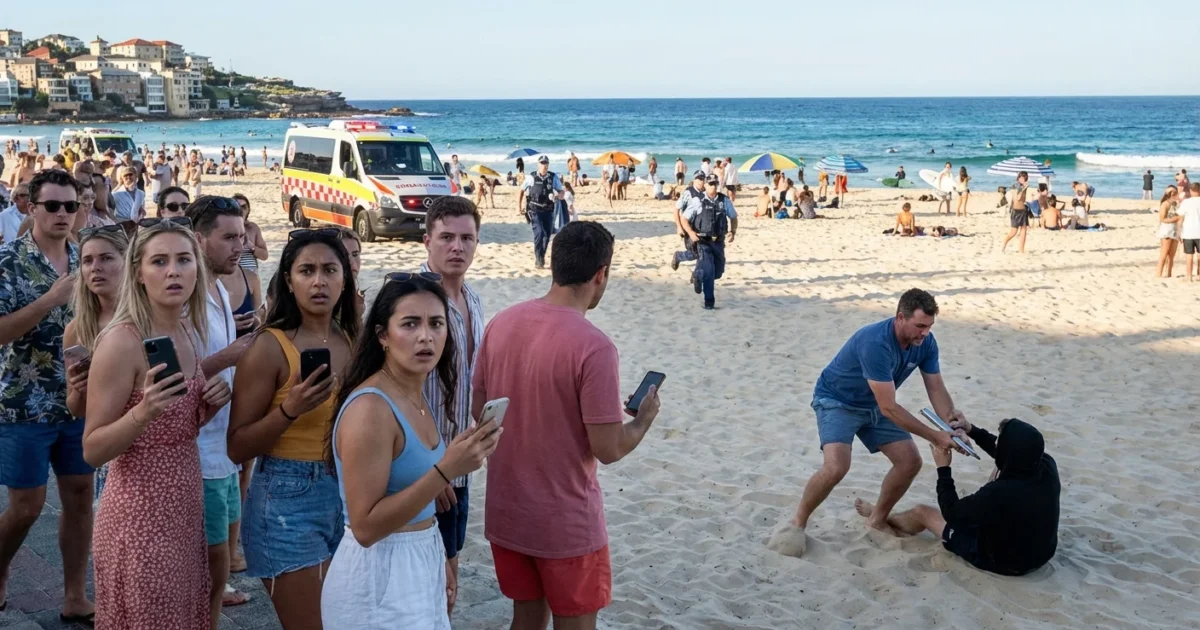
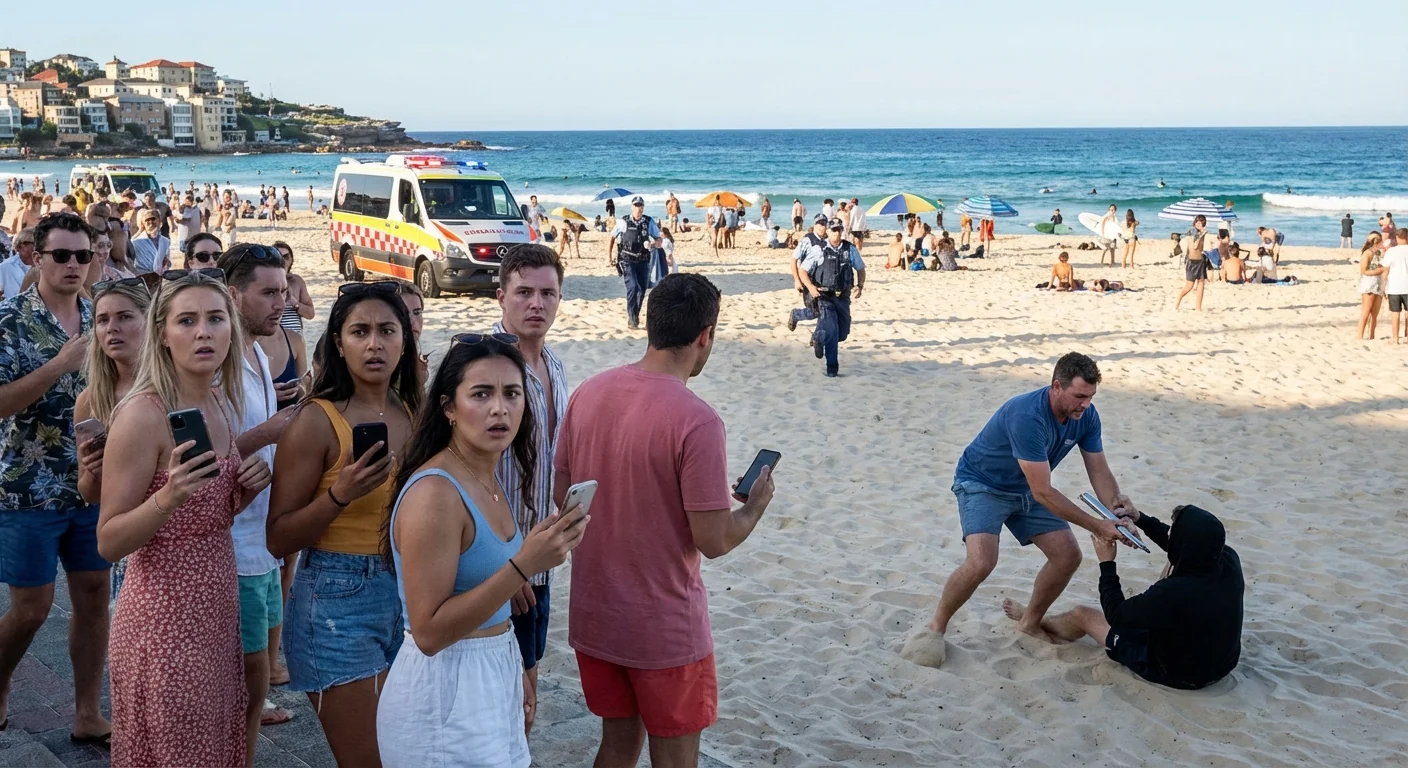
Shots rang out at Bondi Beach this afternoon, shattering a bright Sydney weekend. Police swarmed the promenade. Ambulances raced through crowds. In the chaos, a bystander rushed a gunman, tackled him, and wrenched away the weapon. The attack left families grieving and a nation asking urgent legal questions.
What happened at Bondi
NSW Police confirm multiple victims. Among them, a 10-year-old girl, a Holocaust survivor, and a French citizen. Identities are being verified, and families are being informed. Officers are still securing the scene. They are also reviewing footage and interviewing witnesses.
The video of the citizen tackle is real and raw. You can see fear turn to grit in seconds. Police say forensic teams are processing the weapon and the area. They are checking if others were involved. Motive has not been released. The community is anxious, and rightly so.
This attack is rare for Australia. Our gun controls are strong. That is why every detail matters now. Each fact will carry weight in courts, in Parliament, and in homes.
If you were at Bondi and police set a crime scene, you must follow directions. Crossing a police line can be a criminal offense in NSW.
The law at work today
NSW Police have broad crime scene powers under LEPRA. They can cordon off streets, direct people to leave, and demand names and addresses. If you are a witness, you can be asked to provide a statement. You can ask to give it later, once safe and calm. But do not ignore a lawful direction.
The citizen who tackled the shooter faces legal tests that favor protection of life. NSW law allows self defense when conduct is necessary and reasonable to protect yourself or others. A citizen can also arrest someone found committing a serious indictable offense. That is in section 100 of LEPRA. Reasonable force is the limit. Anything more can cross into assault. Today’s facts will be measured carefully, frame by frame, against those standards.
Emergency services are acting within strict protocols. That includes mass casualty triage and firearm safety checks. Expect a coronial inquest. The NSW State Coroner will likely review cause of death, police response, and public safety lessons. That process is independent. It is designed to prevent the next tragedy.
Rushing an armed attacker is a last resort. The law protects reasonable self defense, but the risks are extreme. Your first duty is to get to safety and call 000.
Gun policy questions Australia must face
Australia’s National Firearms Agreement sets high bars for ownership. NSW licensing screens applicants, and most rapid-fire weapons are banned. Still, guns reach offenders through theft, illegal import, and conversion. This case will test every link in that chain. Was the firearm registered. Was it stolen. Was it modified.
Ministers will face questions on registries, interstate data sharing, and safe storage audits. Police will focus on supply routes and online parts markets. If gaps show up, expect urgent updates to the Firearms Act and tighter compliance checks. Community trust depends on clear answers and visible fixes.
Support and rights for victims and witnesses
Victims have rights under the Victims Rights and Support Act. That includes counseling, payments for immediate needs, and recognition under the Charter of Victims Rights. Families of foreign nationals will receive consular help. The state will also fund funeral and travel support where eligible.
If you filmed the incident, your footage can help. Share it with police directly, not on social feeds. Posting graphic scenes can harm investigations and families. Keep your original file and metadata. Do not edit it.
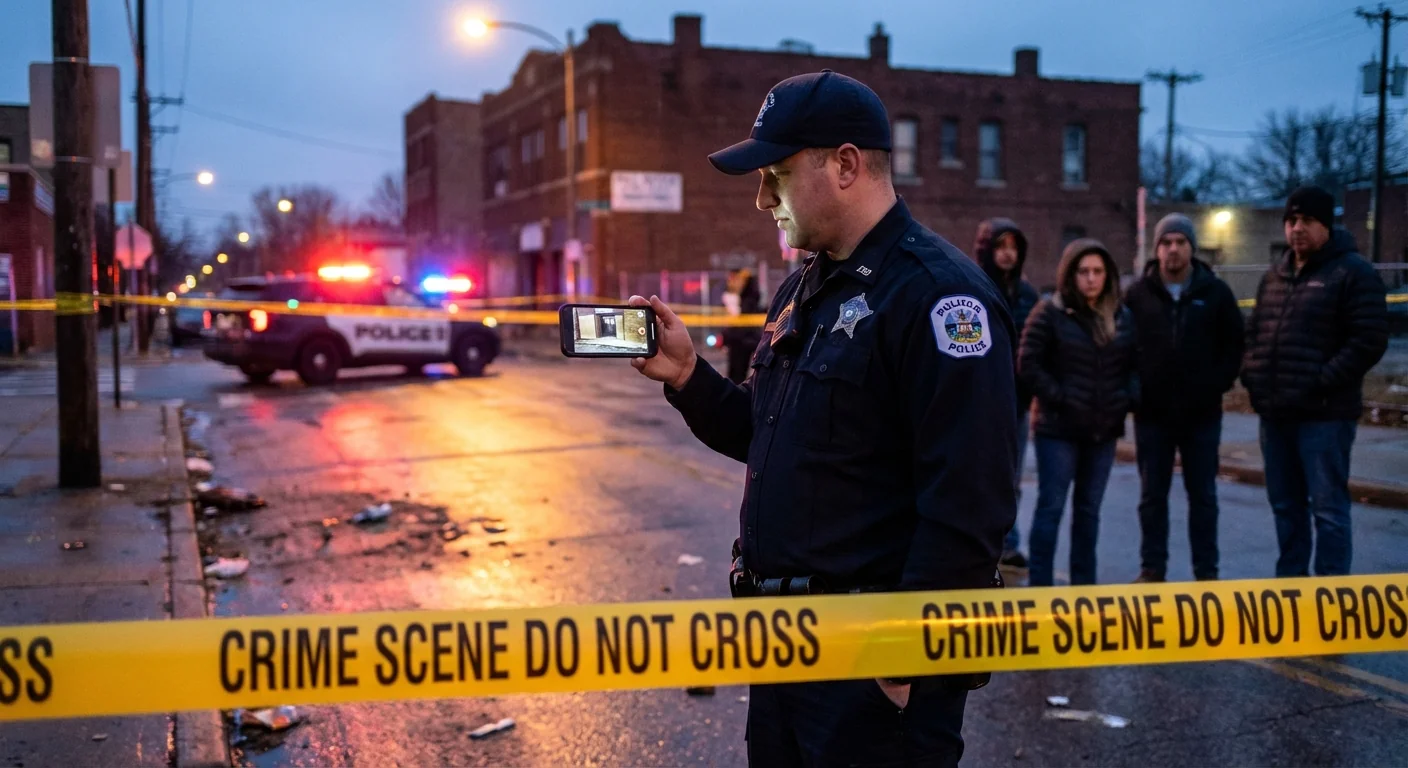
If you have video or photos, upload them through the NSW Police portal or contact Crime Stoppers at 1800 333 000. Keep a copy for investigators.
If you witnessed the attack, protect your wellbeing. Short, simple steps help:
- Write down what you saw, with times and locations.
- Share your contact details with police, then rest.
- Seek counseling through the NSW Victims Support Scheme.
- Avoid watching replayed footage if it triggers distress.
A community vigil is already forming near the beach. Candles, flowers, and silence. Small acts of care matter as evidence work continues.