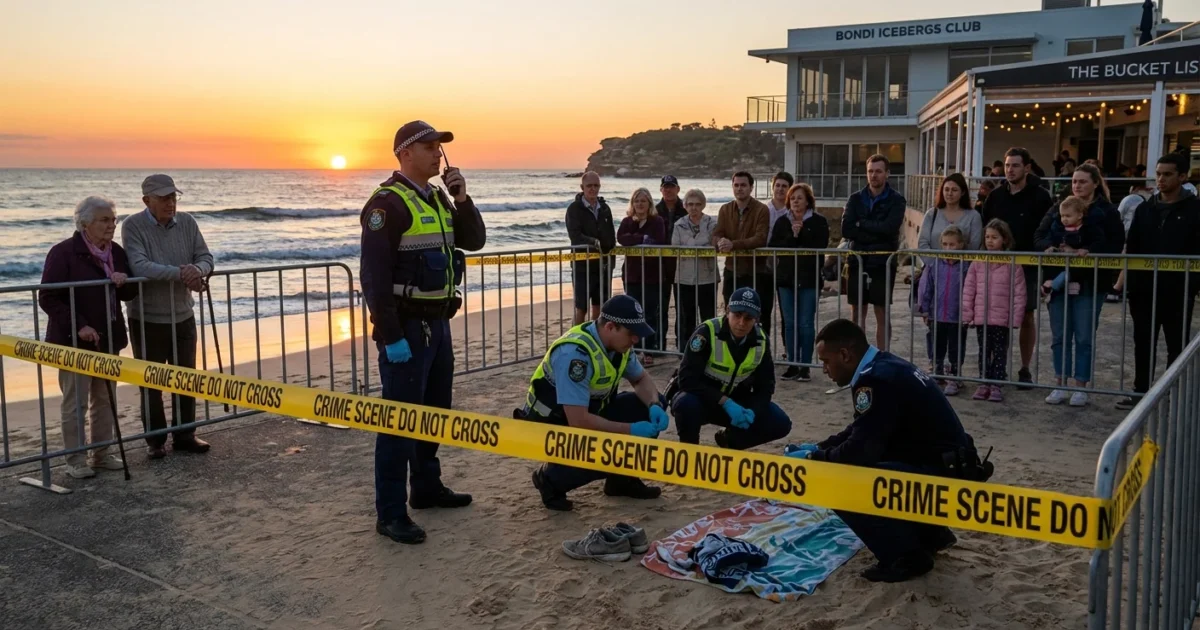
Bondi Beach is reeling tonight. A shooting near the foreshore has left families shattered and a city on edge. Sirens, roadblocks, and urgent questions filled the evening air. As the investigation expands, the legal and civic stakes are already clear. What happened, who missed what, and how do we make sure it does not happen again.
What We Know Right Now
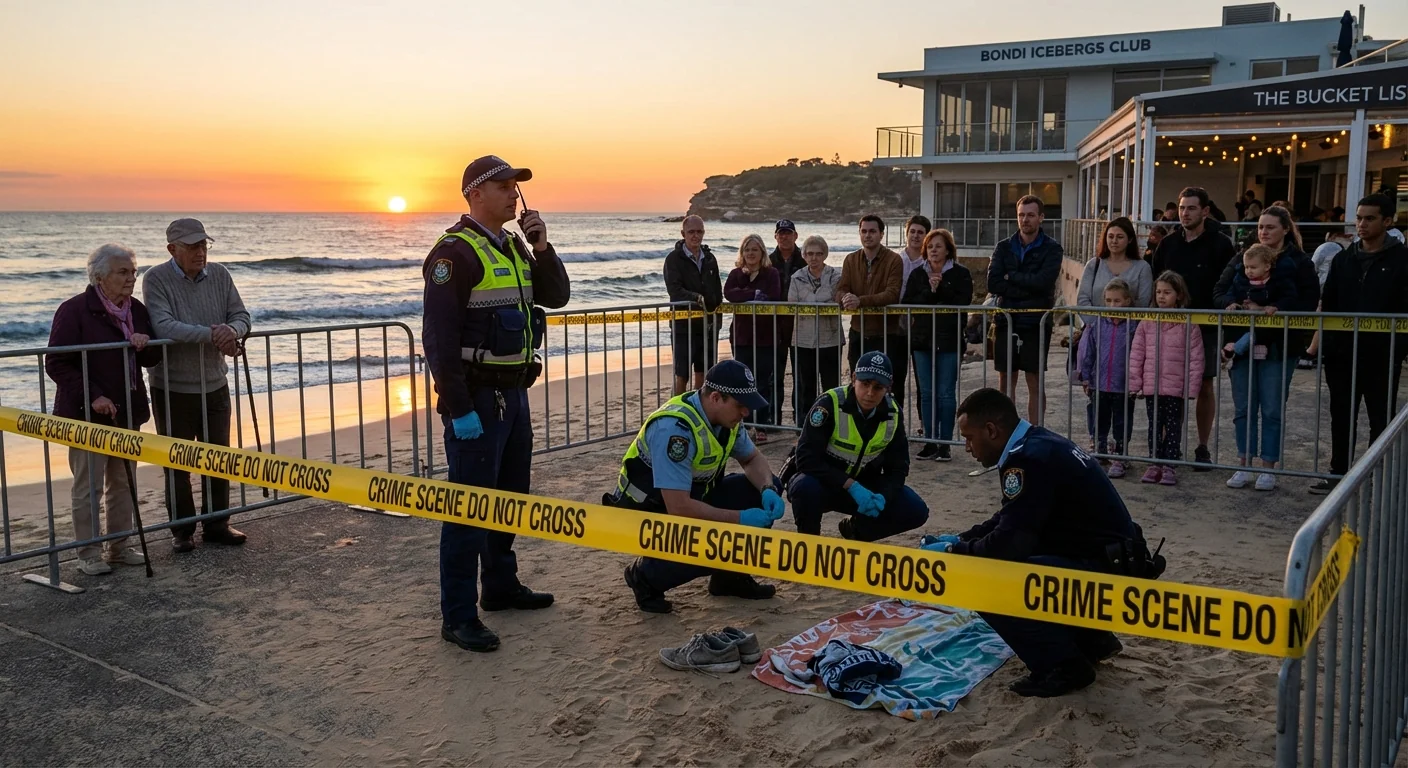
Police have locked down a wide area near Bondi Beach. Multiple people were shot. Others are in hospital. Detectives are taking statements and reviewing cameras across nearby streets and shops. The motive is still a live question. So is the number of people involved. Officials are urging patience while they confirm details.
A major crime scene has been declared. That triggers strict rules for evidence collection and public access. It also opens the door to a coronial inquest, which is likely given the loss of life. Families are being contacted. Counselors are on standby at local clinics.
If you were at the scene, you can give a statement without a lawyer. If you are unsure or distressed, ask to arrange counsel first. Police can wait unless there is an immediate safety risk.
The Legal Stakes
Under New South Wales law, police can cordon off an area, demand names and addresses, and search if they reasonably suspect a threat. They can order crowds to disperse. They can seize phones if they contain evidence. Citizens can film from public places, but they must not cross a crime scene line or obstruct officers.
The firearm used, and how it was obtained, will guide charges and policy debate. NSW requires a license, a genuine reason, and safe storage. There are firearm prohibition orders, and courts can remove guns under domestic violence orders. If officials find gaps in background checks, storage compliance, or data sharing, Parliament will feel pressure to act fast.
If evidence points to ideology or coordination, terrorism laws may apply. That would trigger expanded investigative powers. If not, homicide and firearms offenses will be at the center. Either way, a coronial inquest can examine warning signs and recommend fixes that go beyond one case.
Warning Signs and System Checks
We are hearing about missed indicators and troubling behavior before the attack. This is a familiar pattern in public violence. Leakage of intent, alarming posts, threats at home or school, and rapid changes in behavior often surface later. In Australia, doctors and schools face tight privacy duties. But they can disclose to prevent serious harm. The path to share concerns is not always clear, which can slow action.
A stronger front door for risk reports would help. Clearer rules on who to call, what to share, and how quickly to respond, can save time. Timely police welfare checks, safe storage audits, and rapid firearm removal orders are proven tools. These systems exist, but they do not always connect fast enough.
If you see specific threats to a person or place, call police and say you believe there is a serious risk. That language matters in privacy law and can enable faster information sharing.
Policy Moves To Watch
Lawmakers are already drafting questions for ministers and police. Expect focus on:
- Faster temporary firearm removal orders when credible threats arise
- Real time data sharing between health, police, and licensing units
- Emergency alert messages for fast-moving attacks
- More trained security around busy public spaces
None of this should scapegoat any community. Violence prevention works best when people feel safe to report. That means trust, not fear.
Your Rights and Duties After The Attack
If you witnessed the shooting, you can upload footage through the police portal or deliver it at a station. Keep the original file. Do not post identifiable victims online. That can harm families and can breach the law. If you were hurt or lost a loved one, you may be eligible for NSW Victims Support. This includes counseling, financial help, and recognition payments. Employers should grant leave, and schools should adjust attendance. Ask, and keep records.
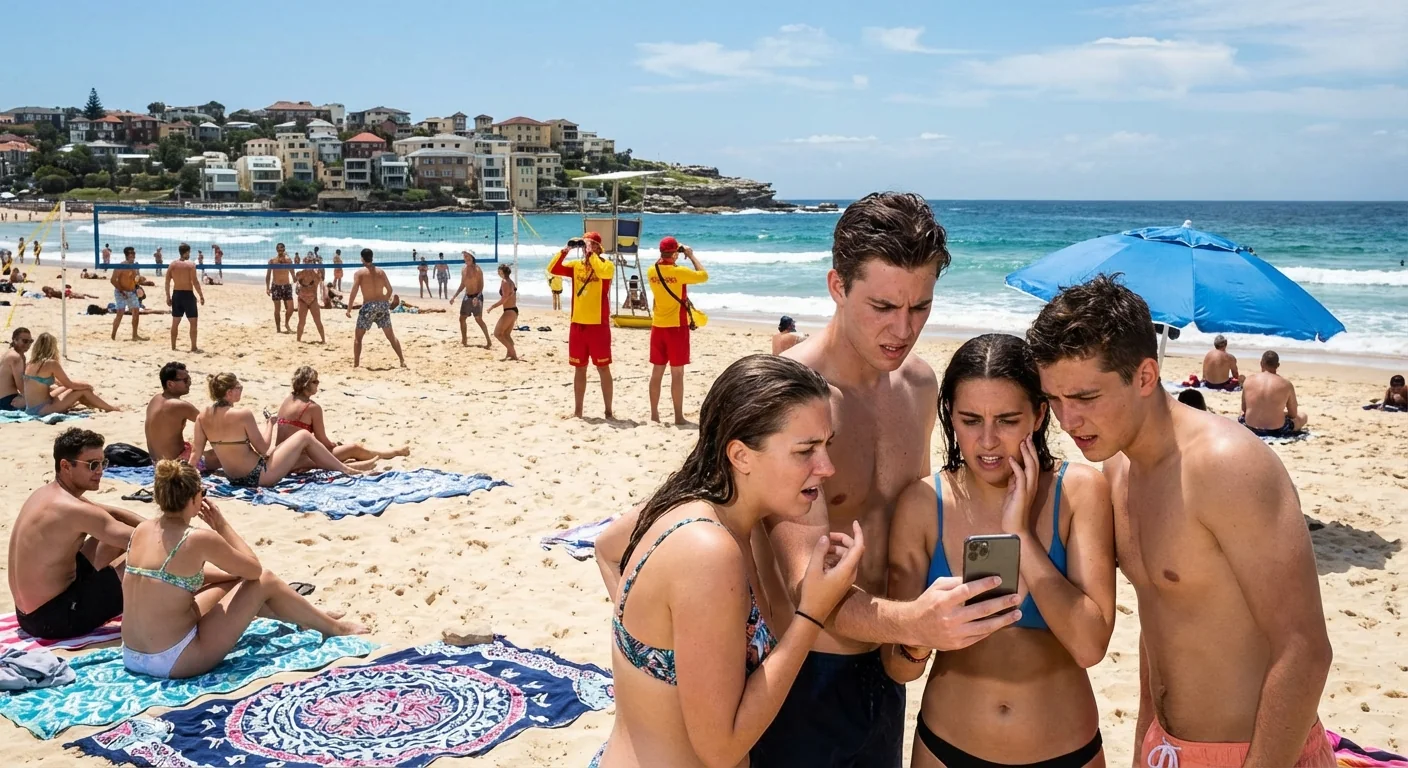
Scams often follow major crimes. Only share evidence with police or official hotlines. Do not pay anyone who promises faster help.
Good Samaritan Protections
If you gave first aid, NSW Good Samaritan laws protect you if you acted in good faith. Keep notes of what you did. Hospitals and the coroner may ask later.
The Path Forward
Tonight, the focus is on the injured, the families, and the first responders who ran toward danger. Tomorrow, the work turns to systems. We will press for answers on licensing, warning signs, and emergency response. The goal is simple, protect public spaces without eroding basic rights. Bondi deserves nothing less. 🕯️