Fairfax High School evacuated after bomb threat, legal and civic questions surge
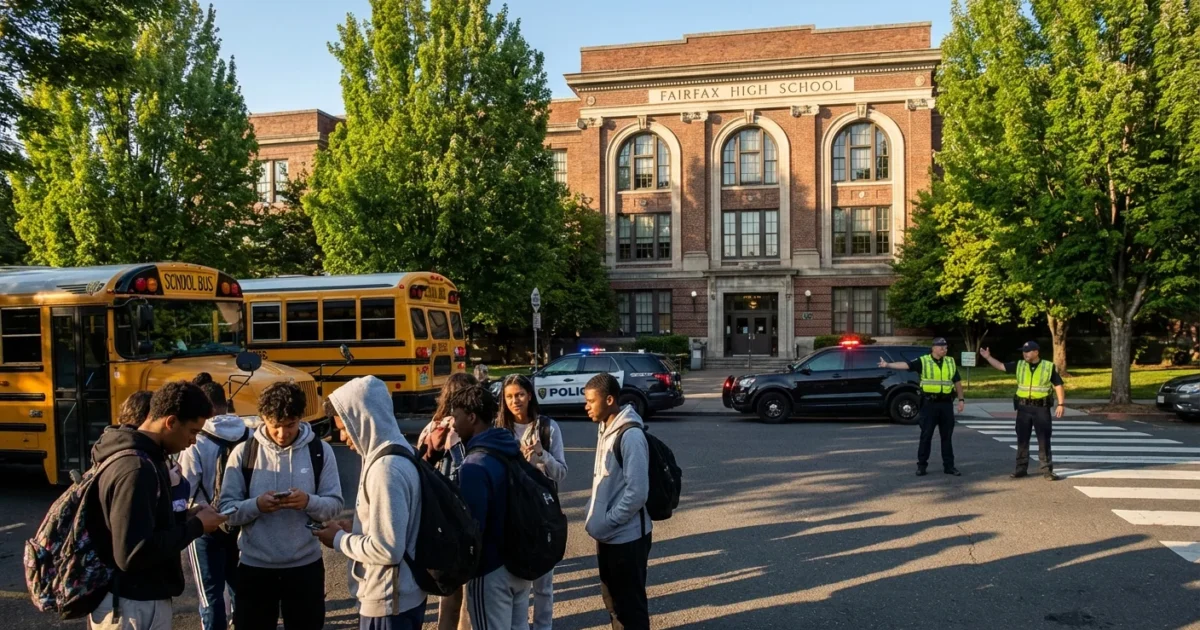
I am on the scene at Fairfax High School in Virginia, where a bomb threat reported at 12:05 p.m. forced an immediate evacuation and lockdown. Police sealed the campus at 3501 Lion Run. Students and staff were moved to safety. Buses were staged offsite for reunification. The investigation is active, and officials have not announced final findings.
What happened and why it matters
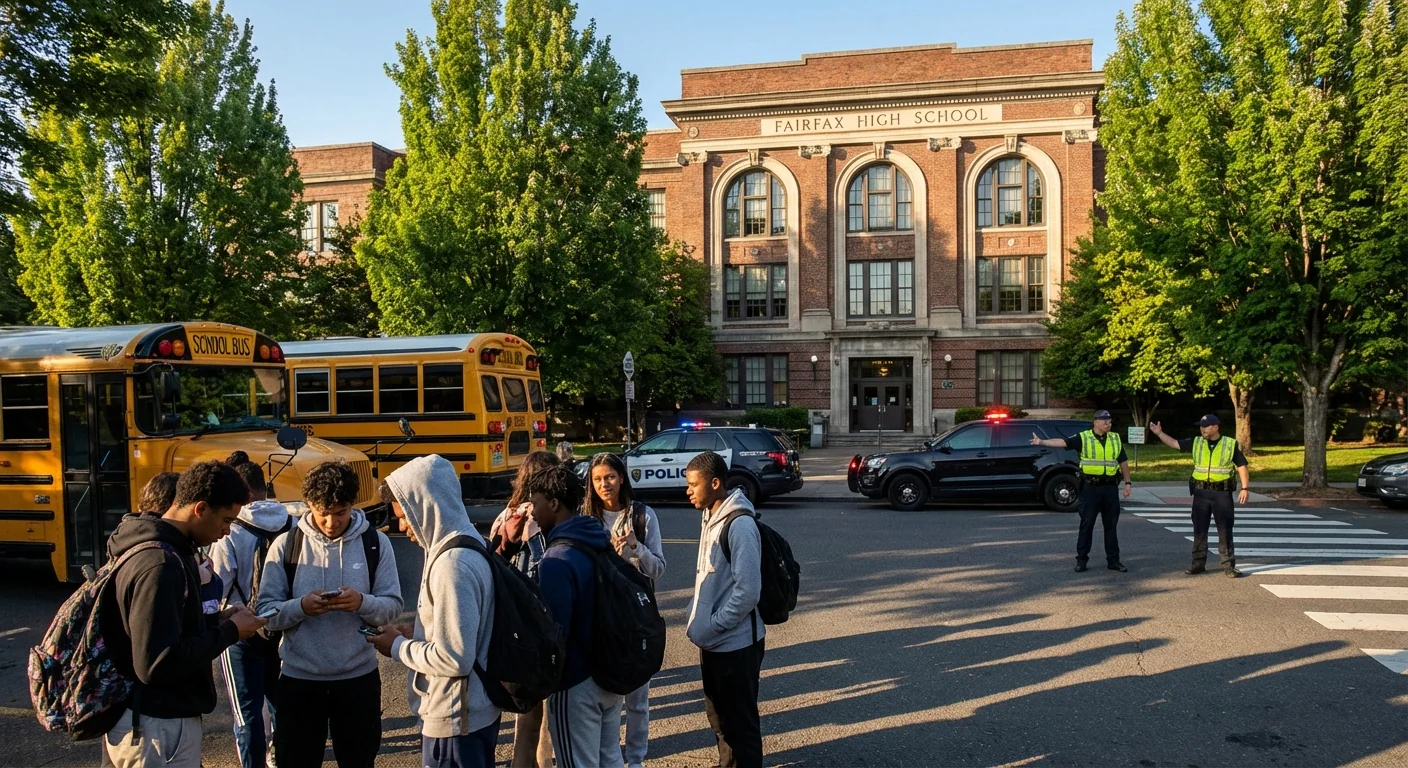
Fairfax City Police moved fast. They blocked school entrances and closed Lion Run to manage traffic and protect the perimeter. I confirmed that officers and school security followed standard incident command, clearing buildings and halting access. Families were directed to pick up locations away from the school. That kept the area clear for K9 teams and bomb technicians.
This is the second bomb threat tied to this campus this fall. On October 20, the school was closed for a holiday when a similar threat arrived. That sweep found no device. Today is different, with a full evacuation and visible law enforcement activity while classes were in session. The repeated nature raises real policy concerns. It tests emergency plans, communication, and community trust.
Making a bomb threat to a school is a felony in Virginia, even if there is no device.
Legal stakes and student rights
Any person who threatens to bomb or damage a school faces a felony under state law. Penalties can include prison and long term supervision. If the person is a minor, the case goes to juvenile court. That still brings serious consequences, including detention, probation, and school discipline.
Schools must report certain threats and crimes to law enforcement. That is required by Virginia law and by district policy. Today’s swift referral met that duty. During an emergency, schools may share student information with police to address a health or safety risk. That comes from federal student privacy rules, which allow an exception for emergencies.
Students have rights during evacuations. They have the right to safe transport, and to communicate with parents once conditions allow. Parents have the right to timely, accurate updates. Officials must balance speed with safety and investigation needs. Some details will be withheld while police clear the scene. That is normal in an active probe.
If discipline follows, students must get due process. Meetings and appeals must follow district rules. Students with disabilities have extra protections. Schools must consider supports and services even during removals for safety.

Avoid the campus perimeter. Crossing police lines can lead to detention or charges, and it slows the sweep.
How the system should respond next
Fairfax High has a threat assessment team by law. These teams review threats, check credibility, and plan supports or interventions. After a second threat in one semester, the team should review patterns and adjust plans. That includes checking access control, visitor rules, and digital reporting channels.
Communication needs to be clear and steady. Families should hear where to reunify, when buses will depart, and how attendance will be handled. Plain language beats codes. Multilingual updates should go out by text, phone, and email. Police will keep posting official notices while the sweep continues.
The district and city also owe the public a look back. After the scene is safe and the case allows it, leaders should release an after action summary. That report should explain what worked and what needs work. Drills, radios, doors, reunification, special education supports, and staff training all deserve review.
You can request basic incident information now. Broader records often become available when the investigation closes.
What families can do right now
- Follow official police and school alerts for reunification details
- Keep phones open, but do not call students during sweeps unless instructed
- Use designated pick up sites, not campus entrances
- Report any past or new threat information to police or the school tip line