BREAKING: Tech Fueled Tactics Are Rewriting Truck Crash Justice in East Texas
A seismic shift in truck accident litigation is underway. I can confirm a $56 million jury verdict on December 1 for an East Texas victim of an 18 wheeler crash. Less than a week earlier, a local firm rolled out a proprietary, tech heavy investigation protocol for 18 wheeler cases. Together, these moves signal a new era. The cases will move faster, the evidence will cut deeper, and the stakes for carriers will rise.
Why This Matters Right Now
The verdict speaks loudly. Juries are ready to punish preventable trucking harm, especially when safety violations surface. The new protocol shows how to build those cases. It leans on rapid response, full data extraction, and detailed reconstruction. The goal is simple, prove fault with facts that cannot be spun.
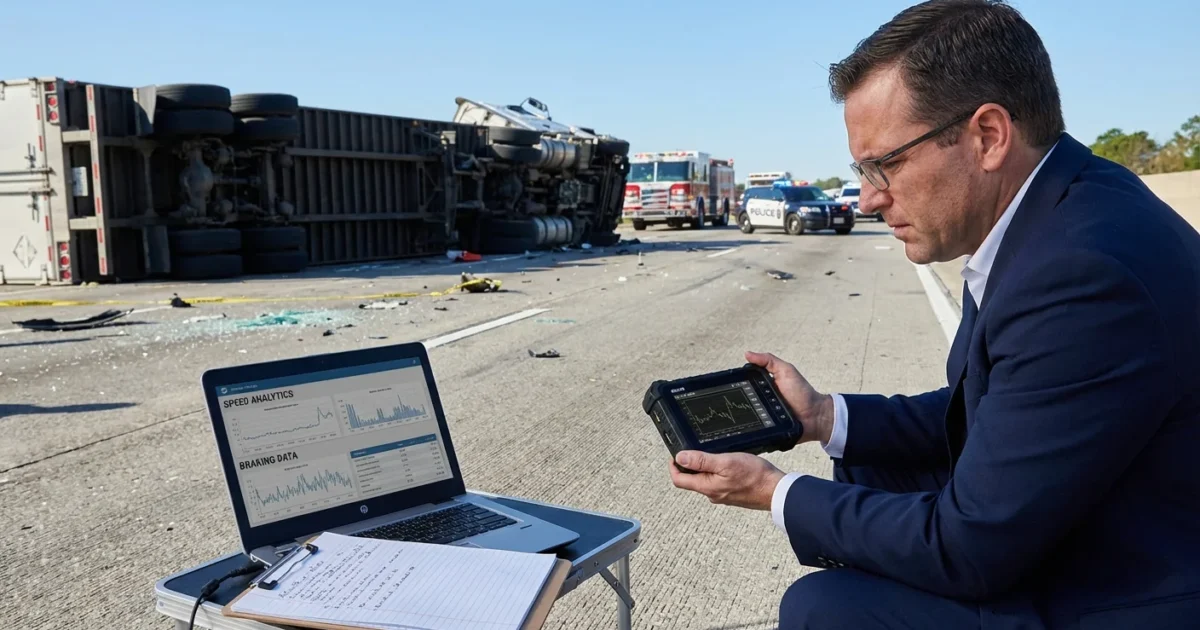
Modern truck cases are data cases. Lawyers now harvest electronic logging device records, onboard telematics, dash cams, and the engine control module, often called the black box. That data can show speed, braking, and hours of service. It can reveal patterns in dispatching and maintenance. When secured fast, it changes outcomes. When lost, victims pay the price.
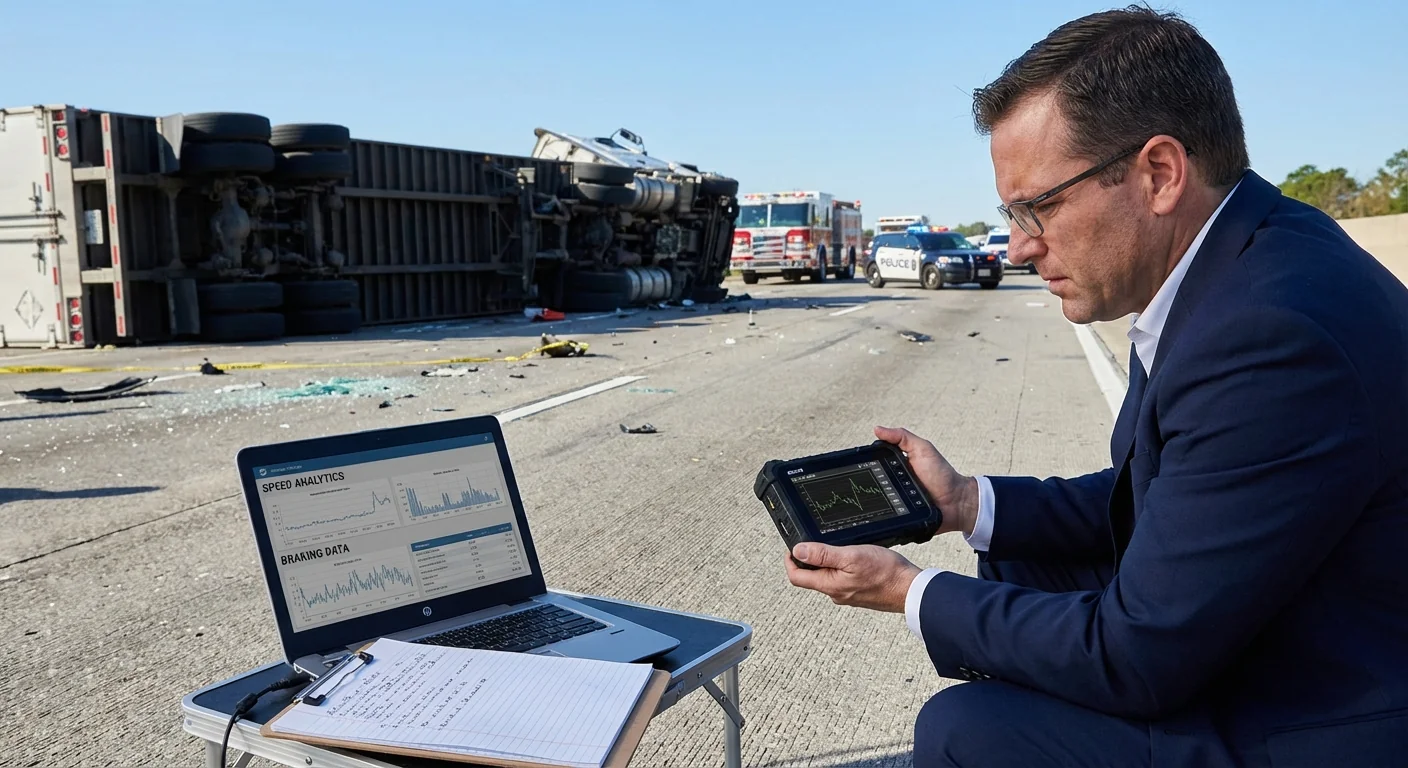
Carriers must keep many ELD and supporting records for at least six months. A preservation letter puts them on notice to keep more. Send it early.
What Victims Should Do In The First 48 Hours
The clock starts the moment a tractor trailer hits you. Trucking companies and their insurers move immediately. They send investigators to the scene. They shape the record before you leave the hospital. You can protect your rights with clear steps that keep evidence intact.
- Get medical care first, then ask a trusted person to secure photos, video, and witness names.
- Call a truck focused lawyer fast, and request a written preservation letter go out the same day.
- Demand the carrier keep ELD data, dash cam video, black box downloads, driver logs, and maintenance files.
- Ask police for the incident number, and request the full crash report and any reconstruction notes.
- Do not give a recorded statement to any insurer before you have counsel.
Expect an insurance adjuster to call quickly. You do not have to give a recorded statement. Decline, and refer them to your lawyer.

The Legal Stakes And The Policy Backdrop
Federal Motor Carrier Safety Administration rules set the floor for safety. Hours of service limits are meant to curb fatigue. ELDs are required in most interstate operations. Carriers must preserve many driver and vehicle records for set periods. Once a crash occurs, and they get notice of a claim, their duty to preserve key evidence expands. If they let data vanish, a court can punish them with sanctions. In cases of gross safety failures, juries can consider punitive damages.
Liability in truck crashes is rarely simple. The driver may share fault with the motor carrier that trained and dispatched them. Maintenance contractors, cargo loaders, and parts makers may also sit at the table. Brokers and shippers can face questions about unsafe selection or control. Each added defendant brings more discovery, more insurance, and more paths to recovery.
Time limits matter. In Texas, most personal injury claims must be filed within two years. Other states vary. Cross border trucking can add federal questions and venue fights. The policy trend is clear. As data tools improve, regulators and courts expect stronger safety systems, faster disclosure, and cleaner record keeping from carriers.
How To Choose A Truck Accident Lawyer
The right lawyer changes the case on day one. Look for resources, speed, and proof of results in complex commercial vehicle claims.
- A rapid response team that can reach the scene and the truck within hours
- Proven ability to pull ELD, telematics, and black box data before it is gone
- A record of seven or eight figure results in truck cases, not just car wrecks
- Trial readiness, with experts in reconstruction, human factors, and trucking safety
Ask this question in your first call, How fast can you secure the truck’s black box and ELD data, and who does it for you?
Conclusion
This is the new playbook for truck crash justice in East Texas. Big verdicts are tied to hard data, tight protocols, and fast action. The law already gives citizens the right to demand that evidence be kept and shared. Use that right early. The sooner a skilled truck accident lawyer is on the case, the more power you have to secure the truth, and a fair result.