Benin foils predawn coup bid, tests the law and the limits of power
What happened, and where things stand
Before dawn on December 7, a small group of soldiers seized state television in Cotonou. They announced the suspension of the constitution and the removal of President Patrice Talon. They called themselves the Military Committee for Refoundation. Their spokesman named Lieutenant Colonel Pascal Tigri as the figure in charge.
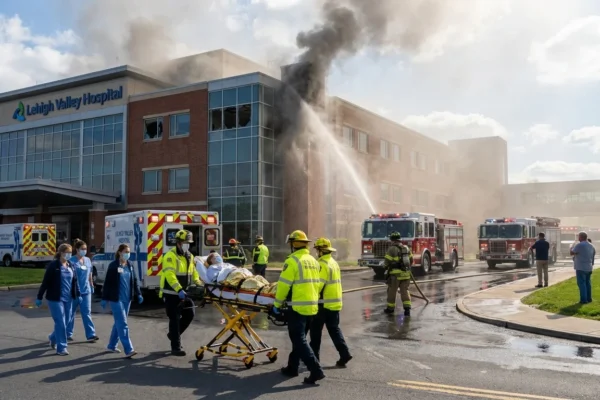
By midmorning, loyalist units retook key sites. The government said the plot was crushed and the president was safe. Security services detained about a dozen suspects, most of them active duty personnel. Several alleged leaders may still be at large, and searches continue in the south and center of the country. The streets are calmer today, but checkpoints remain tight around public buildings.
[IMAGE_1]
Constitutional order is back in force. National institutions continue to function, including the courts and the election authority.
The law is clear, and due process must be too
Benin’s constitution rejects any change of power by force. Under criminal law and military discipline rules, acts to seize the state can bring charges for conspiracy, treason, and illegal use of arms. Prosecutors are preparing files now. Expect counts that include attempts to overthrow constitutional institutions and unlawful occupation of a public broadcaster.
That said, the constitution also protects the rights of suspects. They are presumed innocent. They have the right to counsel and to a hearing before a judge within legal time limits. Any confessions must be voluntary. Evidence must be lawfully obtained. Trials should be open, except for narrow security reasons set by law.
Authorities face a test. They must hold plotters to account, but avoid collective punishment. Purges that ignore procedure would harm the rule of law. Targeted, evidence based cases will strengthen it.
What this means for the military
The speed of the loyalist response shows the chain of command still holds. But the televised statement exposed a crack. Commanders will now review unit loyalty, promotion paths, and media access controls. Expect suspensions, audits of armories, and tighter rules on who can enter critical sites. Parliament should demand reports on these measures.
Policy moves and regional muscle
ECOWAS and the African Union condemned the attempt and backed Benin’s elected authorities. Regional standby forces were put on alert. Nigeria has already provided air support for reconnaissance and deterrence. The message is blunt, there is zero tolerance for unconstitutional grabs.
At home, the government is acting on three tracks:
- Secure the capital, borders, and broadcast assets with visible but measured force.
- Open criminal and disciplinary proceedings, with civilian oversight of military justice where law allows.
- Protect the election calendar, by reinforcing the election agency and safeguarding candidate access and campaigning.
Any curfew or emergency measure must be lawful, time bound, and reviewed by the National Assembly. Clear public notices are essential. Vague rules invite abuse and fear.
Citizens, your rights and your role
People have the right to move, speak, and assemble, subject to lawful limits for safety. If a temporary restriction is announced, it must be specific, public, and limited. Police must identify themselves and state the legal basis for any stop. If detained, you have the right to a lawyer and to notify a family member.
- Carry ID and keep essential medication with you.
- Save important numbers for legal aid and emergency services.
- Film interactions with security, where safe and lawful, and keep distance.
- Report threats or intimidation to local authorities and trusted civic groups.
[IMAGE_2]
Verify any alerts through official channels before you act. Do not share unconfirmed claims. False alarms can cause harm.
Elections in April 2026, the stakes just rose
The attempted coup lands five months before a national vote. The government must prove it can secure campaigning in the north, where jihadist threats have grown, and protect opposition rights nationwide. ECOWAS can help with poll security and dispute mediation, but that support cannot replace domestic trust.
Two guardrails matter now. First, equal access to media for all candidates, with firm protection for journalists. Second, a clear, public timeline for voting logistics, observer access, and result appeals. Locking in these rules will calm markets, reassure citizens, and isolate any spoilers.
Benin has been a model of peaceful transfers since the 1990s. That legacy was challenged this weekend. It can be reinforced now, with accountability for crimes and respect for rights, side by side.