BREAKING: Mamdani taps Mysonne “the General” Linen to shape NYC criminal justice overhaul
New York City just sent a clear signal on criminal justice. Mayor elect Zohran Mamdani has appointed Mysonne “the General” Linen, a Bronx born rapper and organizer, to the Committee on the Criminal Legal System. I can confirm this is one of the new administration’s most consequential transition picks, and it points to a real shift in who gets a seat at the policy table.
Who he is, and why this appointment matters
Mysonne co founded Until Freedom, a national justice group. He has stood on front lines from court steps to city streets. His voice is rooted in lived experience with incarceration, which he has long said was wrongful. He brings community trust, organizing skill, and a direct line to people most affected by law enforcement.
This is not window dressing. A transition committee vets hires, drafts policy memos, and sets early priorities. When that table includes someone like Mysonne, it changes the questions, not just the answers.
This is a transition role, not a permanent city job. It still shapes the first year agenda and key appointments.
The policies on deck
Mamdani ran on a sweeping public safety plan. His platform proposes a 1.1 billion dollar Department of Community Safety, which would send trained civilian teams to many nonviolent and mental health calls. It also calls for a halt to NYPD encampment sweeps, more care based outreach for unhoused New Yorkers, and a push to close Rikers through borough based jails.
The committee Mysonne joins will help turn these ideas into action. Expect early movement on staffing, budgets, and response models.
- Identify leaders for the new safety department
- Design civilian crisis response standards and training
- Review NYPD policies that conflict with new goals
- Map a timeline for Rikers closure and decarceration
The legal stakes
Big change must pass legal tests. Here is what is at play.
Budget authority. Moving 1.1 billion dollars will require City Council approval. The administration will have to align new roles with civil service rules and the city charter. Labor talks also loom. NYPD union contracts and the Taylor Law govern duties, pay, and discipline. Any shift in work to civilians must respect bargaining rights or follow lawful procedures.
Civilian response and liability. Non police teams need clear authority, training, and medical protocols. The city must define who leads a scene, when police back up applies, and how data is shared. Mistakes can trigger tort claims, so risk planning matters.
Encampment policy and rights. New York’s right to shelter rules and due process standards still apply. Property seizures, even for a cleanup, raise Fourth and Fourteenth Amendment issues. If sweeps are halted, the city must scale services, shelter access, and outreach, or face other legal exposure.
Rikers and court oversight. Closing Rikers requires land use reviews, state coordination, and steady compliance with federal monitoring in jail conditions cases. Timelines must match court orders, not just campaign goals.
Ethics and participation. Bringing a formerly incarcerated leader into policy work is lawful and important. City conflicts rules still apply. Members file disclosures, avoid votes on matters that pose personal conflicts, and take an ethics oath.
Policy speed is not a defense in court. Each change will need clear legal authority, public process, and careful documentation.
What this means for New Yorkers
If this agenda advances, New Yorkers could see new numbers to call for mental health crises. Police would still answer violent and weapons calls. Civilian teams would lead many wellness, substance use, and housing crises.
Stop and search oversight will draw heat. Expect fresh guidance on consent searches, school safety, and protest response. Mysonne has pressed for less criminalization and more services. That history will likely shape draft policies on diversion, pretrial release, and parole supports.
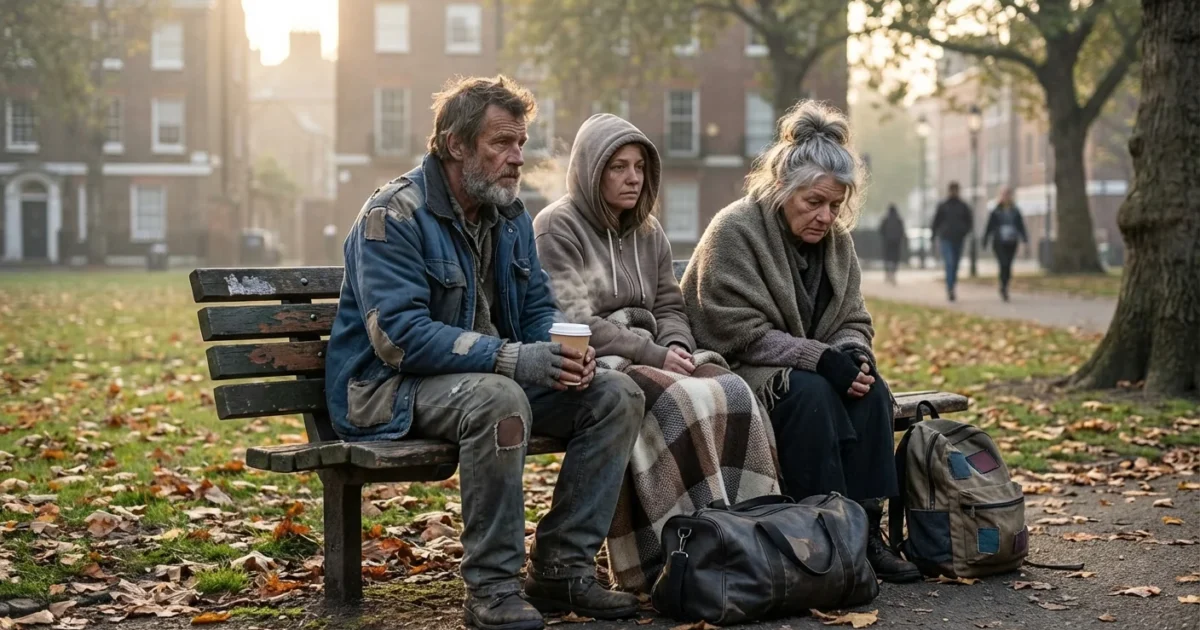
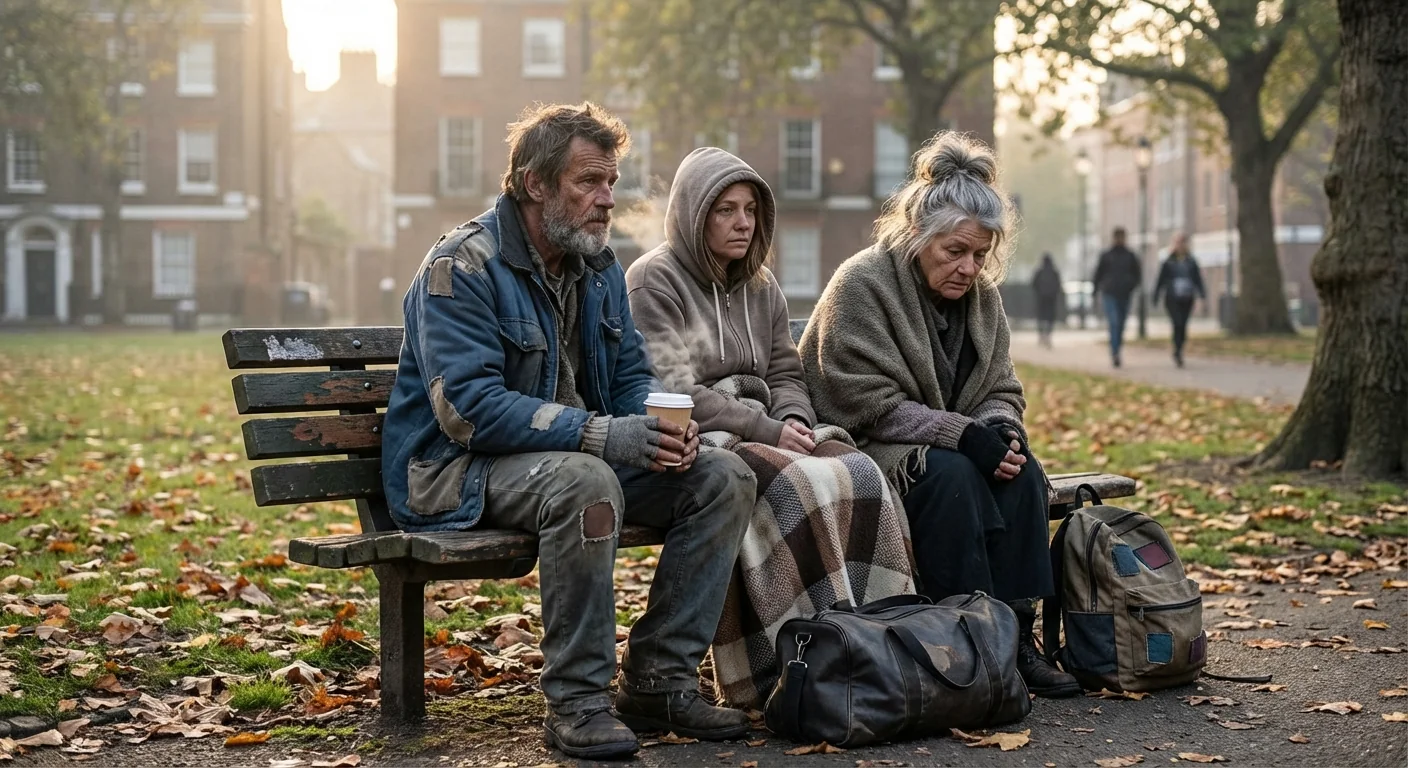
For people living on the streets, a pause on sweeps would shift the focus to housing placements and health care. Success will turn on beds, treatment slots, and workers on the ground.
[IMAGE_2]
Want a say, citywide hearings on public safety and the budget start soon. Submit written comments, testify, and talk to your council member.
What to watch next
I am tracking three early signals. First, who gets tapped to run the Department of Community Safety. Second, the first memo on 911 call triage, which will define the boundary between police and civilian teams. Third, the talks with labor and the Council, which will show how fast this plan can move.