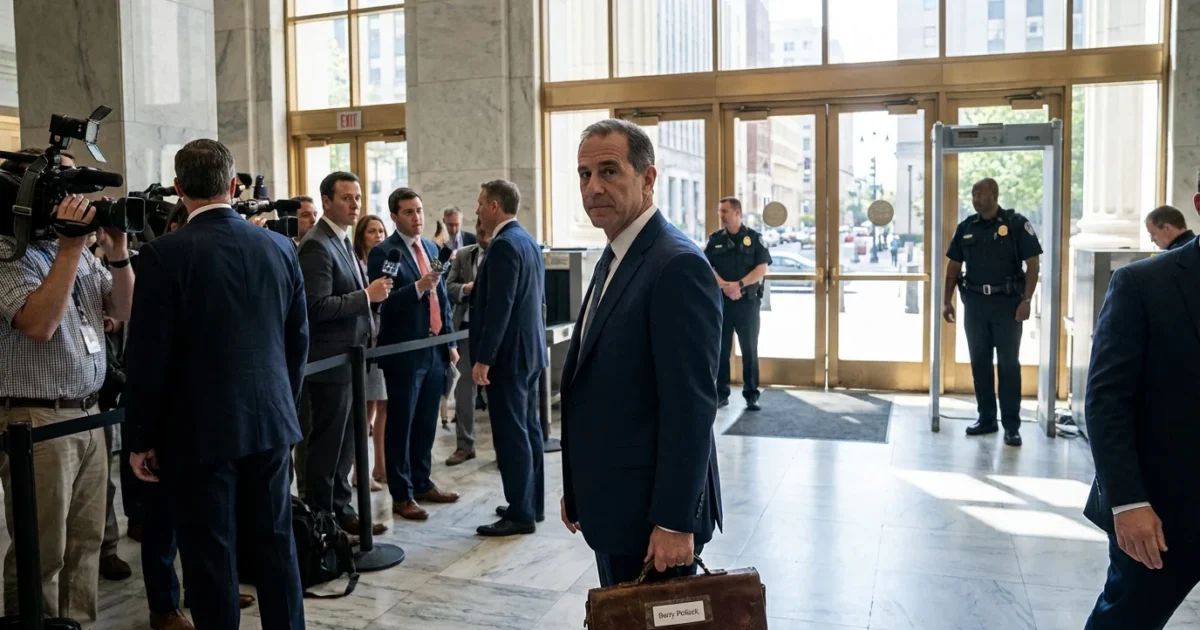
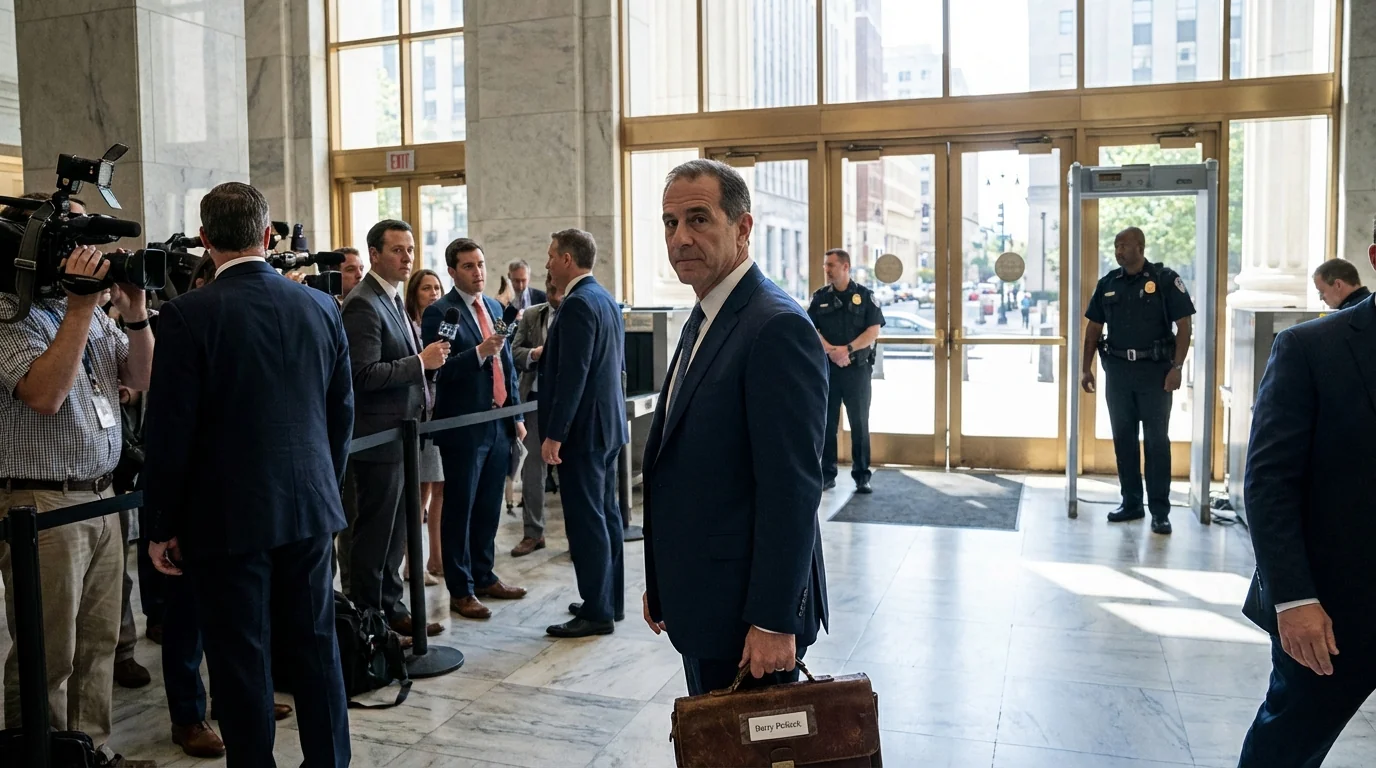
Barry Pollack’s name is rippling through the federal courthouse today. With Nicolás Maduro’s first appearance in Manhattan, the veteran defense lawyer is suddenly in the spotlight. From inside the courthouse, I can confirm Maduro entered a not guilty plea to U.S. narco terrorism charges. The legal fight starts now, and the choice of defense counsel will shape what happens next.
Why Barry Pollack matters today
Pollack is a heavyweight in federal criminal defense. He has decades in court, handling complex, high stakes cases. Many know him for representing WikiLeaks founder Julian Assange in U.S. proceedings. That work put him at the center of hard questions about extradition, national security, and press freedom.
His name is now circulating around the Maduro arraignment. It is not yet clear whether he is on the formal defense team. But even the possibility has legal meaning. Pollack is known for aggressive pretrial work. He aims at the government’s weakest points early. He also manages media pressure with care, which matters in cases that touch foreign policy.
Presumption of innocence applies to every person, in every U.S. courtroom, in every case.
What a Pollack defense would target
If Pollack joins, expect a front loaded strategy. The first phase often defines the rest of the case. The issues here are not routine. Prosecutors charged conduct that took place outside the United States. They linked it to alleged crimes that reach into U.S. law. That invites a fight over reach, proof, and fairness.
Pollack would likely focus on three tracks. First, jurisdiction and venue. He could argue that U.S. courts lack power over parts of the alleged conduct. He may say the case belongs elsewhere, or that the statutes do not fit the facts. Second, evidence. Expect challenges to hearsay, informant reliability, and any classified or foreign sourced records. Third, detention. The defense will push for release, with strict conditions, so the team can prepare.
Here are near term milestones to watch:
- A detention hearing to decide release or custody
- A protective order that controls how discovery is shared
- A scheduling order that sets deadlines for motions
- Early motions on jurisdiction, venue, and suppression
The extradition and foreign policy edge
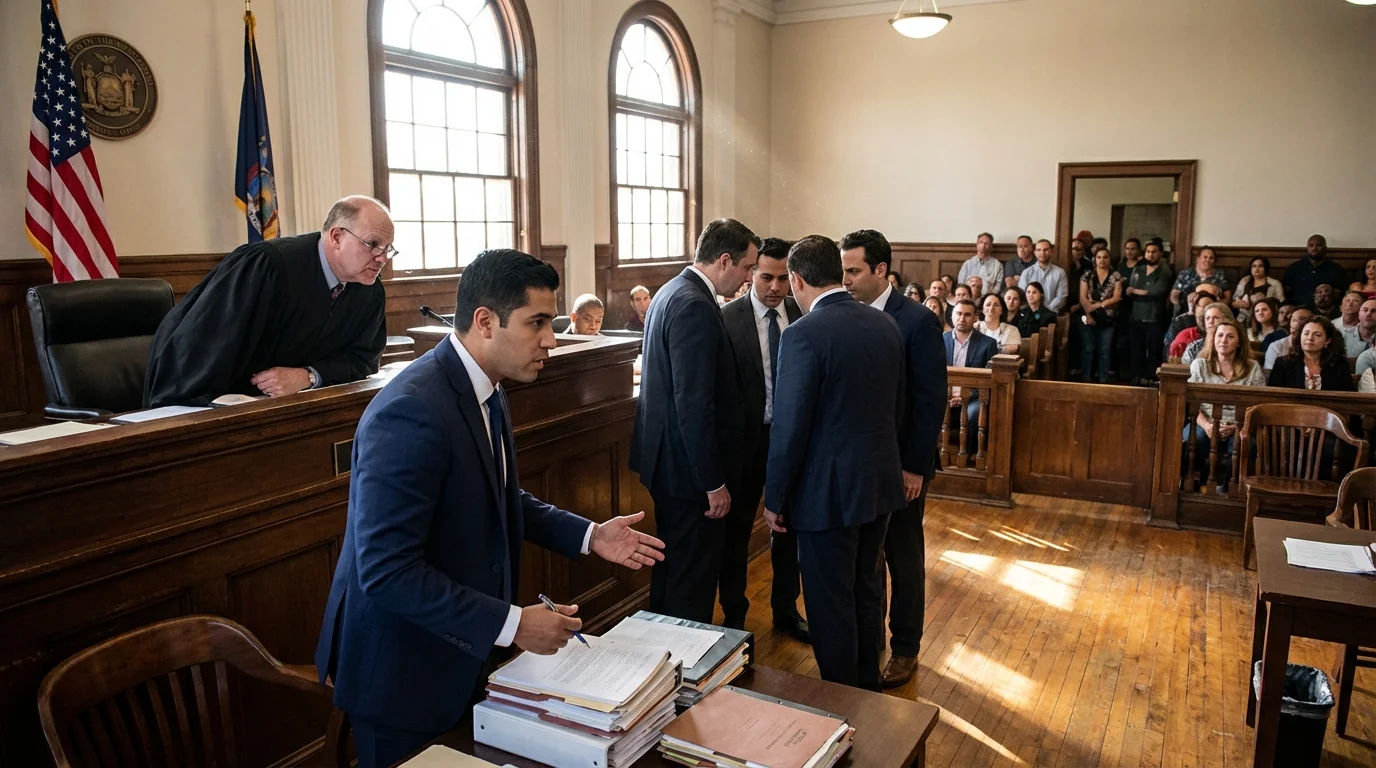
This case sits at the border of criminal law and diplomacy. Courts will see arguments about extraterritorial law, international comity, and fairness to a foreign leader. If classified information is involved, the court could use special procedures to protect it while allowing a defense. That is a tightrope for any judge.
Pollack’s Assange experience is relevant. He has worked cases where press, politics, and evidence rules collide. He knows how to litigate protective orders, gag orders, and discovery limits without shrinking a client’s rights. That skill set would be central here.
Do not record inside federal courthouses. Judges can hold violators in contempt, and penalties can be swift.
Government policy and citizen rights
The Justice Department is sending a message by moving this case in a New York courtroom. It says U.S. drug and terrorism laws reach far when the alleged harm crosses U.S. borders. That is not new, but enforcing it against a foreign head of state is rare. Each filing will test how far that policy can go without tipping into diplomacy.
For citizens, two rights meet here. Open courts, and fair trials. Hearings are public unless a judge closes them for a good reason. At the same time, courts protect jurors from outside pressure. Expect limits on cameras, and sharp warnings about contact with witnesses and jurors.
You can track key filings on the public docket. If you attend, arrive early, bring ID, and expect airport style screening.
What this means for the defense bar
High profile arraignments spotlight defense lawyers for a reason. The first thirty days are crucial. Smart defense work can narrow charges, shape the story, and win release conditions that let a client fight the case. Pollack has built a career on those moves. Whether or not he appears on the docket, his playbook is already in view.
The bottom line
Maduro pleaded not guilty, and the case is underway. Barry Pollack’s name is in the air for a reason. His background fits a case that blends criminal law, foreign policy, and public scrutiny. If he signs on, expect hard hits on jurisdiction, strict control of evidence, and a push for release. Even if he does not, the defense that follows will likely trace that same path. The stakes are high, the timeline is tight, and the rule of law will be on full display in the weeks ahead.