

BREAKING: Nasra Ahmed Arrest Puts Due Process, Policing, and Internet Narratives on a Collision Course
A familiar name just reentered a very public legal fight. Nasra Ahmed, the Somali American woman known from the “bananas and rice” clip about an ICE detention encounter, has been arrested in Minneapolis on allegations of taking part in a riot. I am treating this as an active legal matter, not a punchline. The facts are still forming, the stakes are clear, and the law sets firm limits on what government can do next.
What happened today
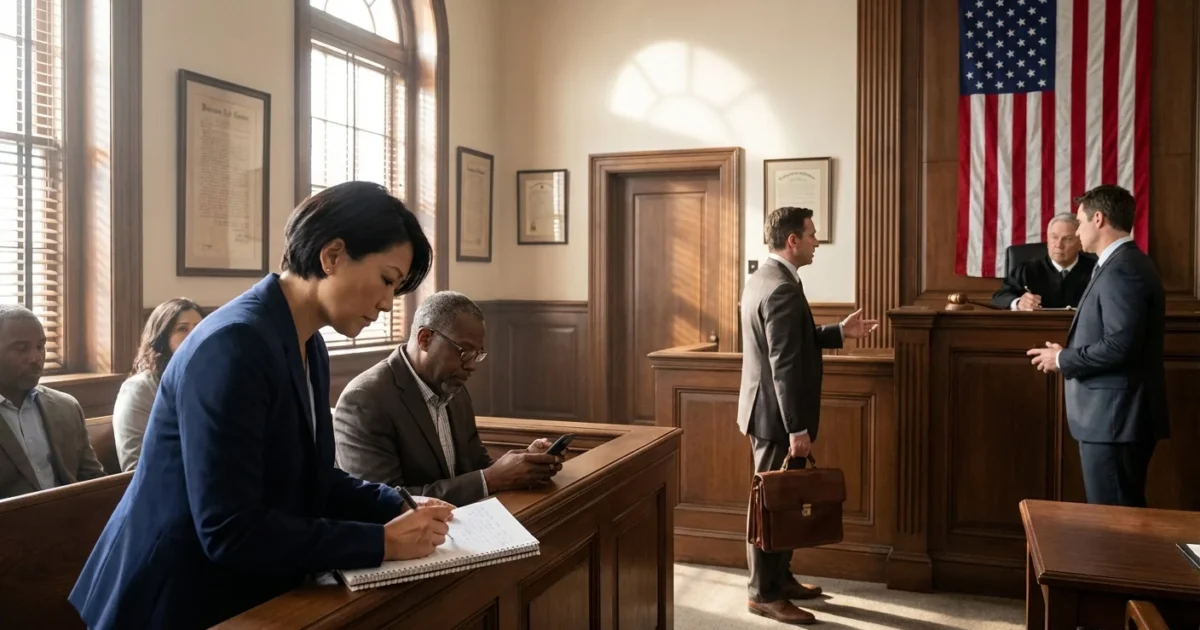
Authorities say Ahmed was taken into custody in connection with a chaotic incident in Minneapolis. Allegations are not findings. Prosecutors must decide whether to file charges and what to file. If charges are filed, the first appearance will follow quickly. A judge will set conditions of release, or bail, under Minnesota rules.
If prosecutors do not charge within required timelines, the law requires release. If they do charge, the court must find probable cause. The bar is not high at this stage, yet it is not a rubber stamp. Body camera footage, witness statements, and damage reports often drive these decisions.
Presumption of innocence applies to everyone, in every courtroom, every time.
In the next 24 to 48 hours, expect movement on charging, booking details, and a probable cause review. Court calendars can shift, police reports can be amended, and the public record can change as more evidence is logged. That is normal in fast moving cases.
The ICE encounter that started it all
Ahmed’s “bananas and rice” remark came from her account of poor treatment during an ICE related detention. She has said she is a United States citizen who was wrongly detained and injured. That claim, if accurate, raises serious legal questions.
People who allege wrongful federal detention can pursue several paths. A civil claim under the Federal Tort Claims Act may be possible for negligence or abuse. Constitutional claims are more complex, yet there are channels for redress, including complaints to the DHS Office for Civil Rights and Civil Liberties and the Inspector General. Public records requests can expose what happened, which officers were involved, and what policies governed the encounter.
If her claims hold, the government could face liability and policy reform pressure. If they do not, she still had the right to be treated with dignity and to receive basic care. The Constitution protects citizens and noncitizens alike from unreasonable seizures and from punishment without due process.
During any stop, ask if you are free to leave. If not, ask for a lawyer and stay silent.
Protest, riot, and the line in Minnesota law
Minnesota criminal law draws a bright line between protected protest and criminal riot. Peaceful assembly and speech are protected by the First Amendment and the state constitution. Violence, threats, or coordinated property destruction can cross into crime.
To prove a riot offense, prosecutors will need more than proximity to chaos. They look for specific acts, intent, and group behavior that disturbs public peace. Mere presence at a protest is not a crime. Filming police is lawful in public places, so long as it does not interfere with official duties.
- Key questions prosecutors will examine: what Ahmed did, what she intended, what others did with her, and whether force or threats were used.
If charged, Ahmed could face conditions like travel limits, no contact with co defendants, or orders to avoid the protest area. Courts must tailor conditions, they cannot punish before trial. Any order that chills lawful speech or assembly must be narrowly drawn and justified.
The internet effect on justice
Ahmed’s image has been turned into a meme. That meme is not evidence. It is not a criminal history. It can still shape public bias. Judges in high profile cases use jury screening, change of venue, and clear instructions to protect fairness. Prosecutors and police are bound by ethical rules that limit public comments. Defense counsel may seek a protective order if online attacks threaten a fair trial.
Posts, live streams, and texts can end up as exhibits. Assume a camera is always on.
Courts will not try the meme. They will try the facts. Yet the meme can make everything louder, faster, and harsher. That is a risk to truth seeking and to community trust.
What citizens should watch next
Watch for the charging document. It will list counts, basic facts, and the statutes cited. Watch for any body camera footage release, which can clarify who did what and when. Use the Minnesota Government Data Practices Act to request nonexempt records. If you plan to attend hearings, remember that most are open to the public, but courtroom rules apply.
Two things are true at once. The state must protect public safety. The state must also protect rights, even when the defendant is controversial. If Ahmed was wrongly treated by ICE, that matters. If she is overcharged now because of her meme status, that matters too. The law does not grade people on popularity.
This case is not an online joke. It is a live test of due process, police accountability, and public patience. If officials follow the rules, the record will show it. If they do not, the record will show that too. Justice is slower than a clip, yet it lasts longer. ⚖️




