BREAKING: Ashli Babbitt’s Name Reignites Jan. 6 Fight Over Law, Policy, and Rights
The fifth anniversary of Jan. 6 has put Ashli Babbitt back at the center of a national argument. Her death, during the Capitol breach, is again shaping talk about police use of force, pardons, and protest rights. New White House comments, a rally by pardoned defendants, and a planned march have turned a painful chapter into fresh policy debate. The stakes are legal, not just political.
What is new today
Officials in Washington are once again drawing lines around what happened that day. They are also testing how far government should go to explain, defend, or revisit police actions. On the streets, some who were charged and later pardoned are rallying. Organizers are preparing a march tied to the anniversary. Together, these events have revived the sharp split over Babbitt’s death and over who gets to define the story of Jan. 6.
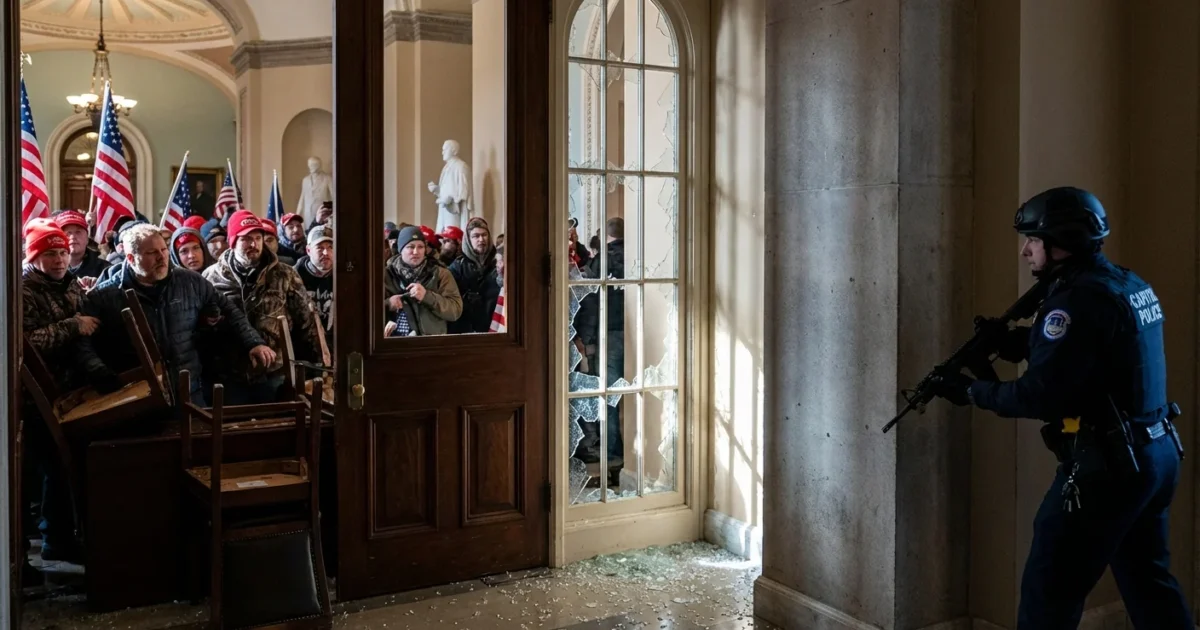
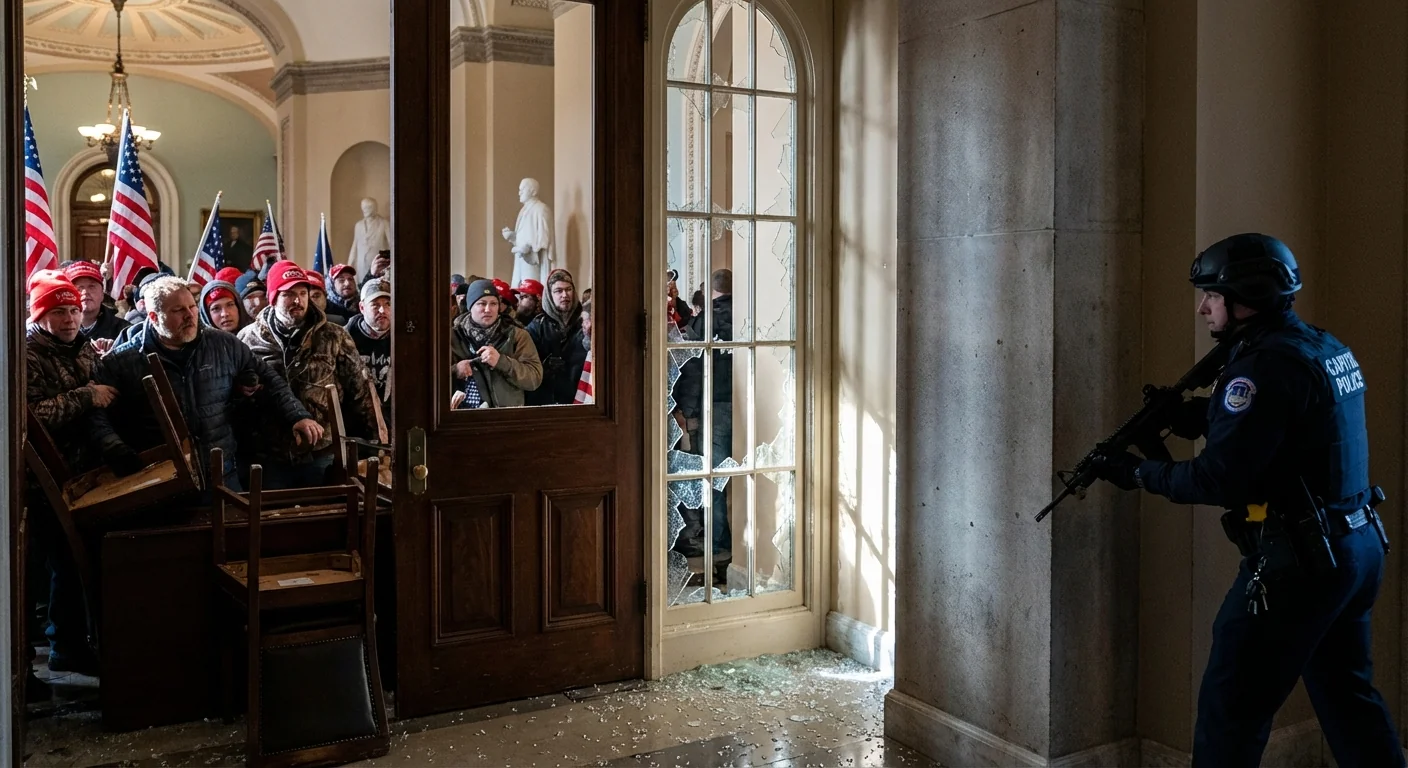
Ashli Babbitt, a 35 year old Air Force veteran, was shot by Capitol Police Lt. Michael Byrd. She tried to climb through a shattered window of a barricaded door near the Speaker’s Lobby. Rioters were feet away from lawmakers. The officer fired one shot. Babbitt died shortly after.
The law at the center
Two questions guide this moment. Was the shooting lawful. What lessons should shape future policy. Federal prosecutors reviewed the case. So did Capitol Police investigators. They declined to bring charges against the officer. They said the evidence did not show wrongdoing under the law. The legal test is whether the officer reasonably believed there was an imminent threat of serious harm. That standard, rooted in Supreme Court cases, looks at the facts in that instant, not at hindsight.
Official investigations found insufficient evidence to charge the officer. They concluded the use of force met legal and policy standards for an immediate threat.
For citizens, the line between protest and crime also matters. Peaceful assembly is protected by the First Amendment. Violence, forced entry, or interference with Congress is not. When a space is secured and officers give orders, refusal to comply can lead to arrest. When a mob pushes a barricade, the risk to life rises fast. That is where use of force rules become most urgent and most contested.
The anniversary brings another legal thread. Pardons clear convictions or prevent charges, but they do not rewrite the public record. They also do not grant special rights at future events. Police can still set time, place, and manner limits on rallies. Courts uphold those limits if they are content neutral and clear.
Policy fallout, five years on
Jan. 6 exposed gaps in planning, communications, and transparency. Some reforms are underway. Others remain stalled. The key question is how to increase safety and trust without chilling lawful protest.
Here are the policy issues lawmakers are facing right now:
- Training for crowd control and rapid threat assessment
- Clearer rules of engagement inside sensitive federal buildings
- Better video evidence policies and public reporting after critical incidents
- Interagency command systems that work under extreme pressure
- Pathways for independent review that respect ongoing criminal cases
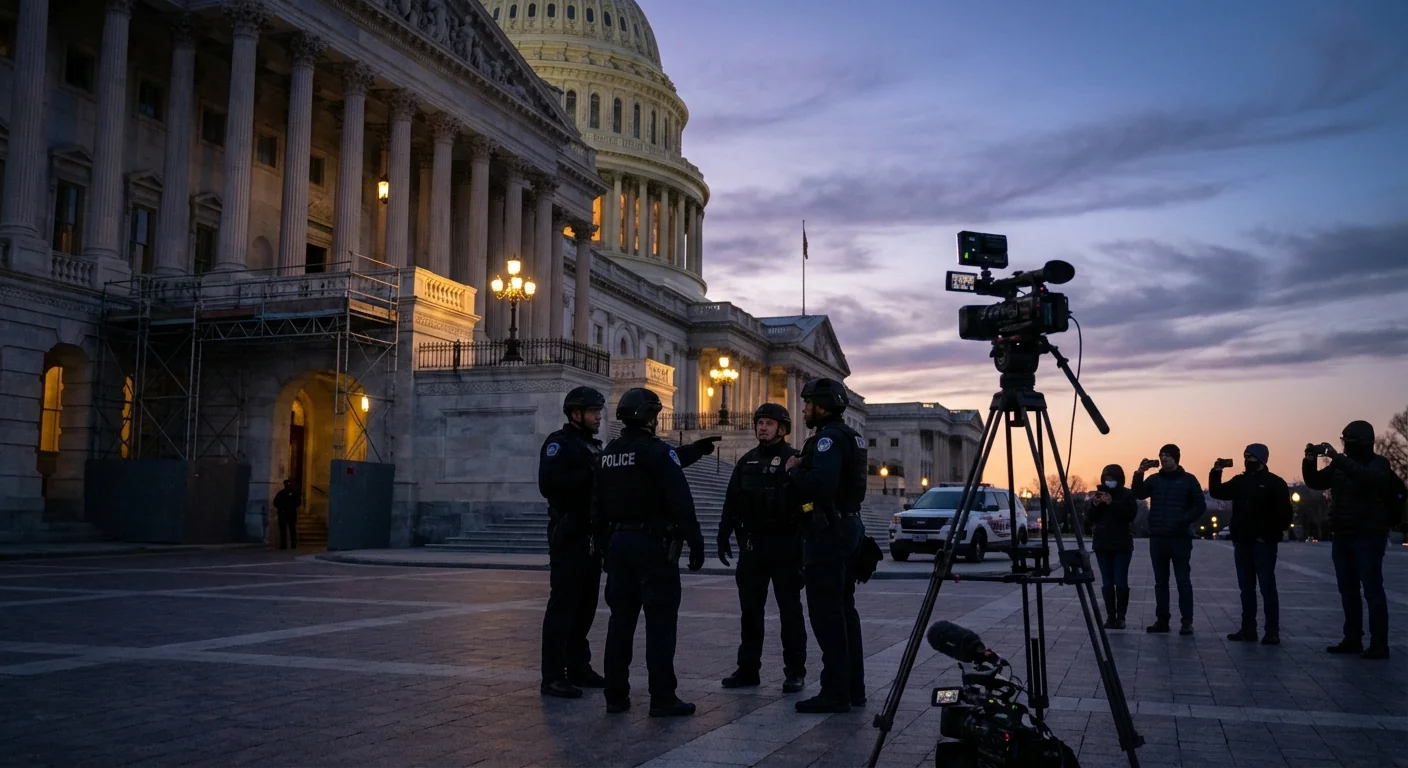
Washington also has a transparency problem. The Capitol Police are not subject to the main federal public records law. That makes it harder to release footage and policies fast after a shooting. Congress can change that in whole or in part. It can also require regular public briefings after critical incidents, with redactions for security and privacy.
Victims’ families can file civil claims. Officers can face discipline or civil suits even if not charged. Those cases move slowly and hinge on facts, video, and expert testimony. The public rarely sees a neat ending. What it sees are snapshots from an active legal process. That is why official timelines and plain language summaries matter.
If you plan to protest on federal property, read the posted rules. Film from public areas is generally allowed, but security zones and lawful orders must be followed. ⚖️
Citizen rights meet civic duty
The right to speak is strong. So is the duty to keep others safe. You can chant, carry signs, and petition your government. You cannot storm secured spaces or threaten officials. If police declare an unlawful assembly and give a clear path to leave, courts expect you to go. If you are arrested, you keep your right to a lawyer and to remain silent.
Pardoned individuals can attend rallies. They can speak about their experiences. They cannot use a pardon as a shield for new crimes. Officials, for their part, must avoid framing that punishes speech. They must also explain security decisions in clear, neutral terms. That is how trust is built after a crisis.
The road ahead
Five years later, Ashli Babbitt’s death still shapes how the country talks about Jan. 6. It tests our rules for force, our rules for protest, and our appetite for transparency. The renewed attention today is not only about memory. It is about what we will accept from government and from each other when pressure rises. The law draws the lines. Policy can make those lines clearer. The public will decide whether we learned enough to keep both liberty and safety in view. 🔎