Ashanti turns a live glitch into a civics lesson. During Philadelphia’s Holiday Tree Lighting on December 4, the Grammy winner hit a wall of dead sound, stopped, reset, and powered through. The music came back. So did the crowd. That cool restart was not just stagecraft. It put a spotlight on how cities manage public events, what happens when tech fails on a government stage, and what rights citizens bring to the plaza.
The civic moment behind the music
This was a city led celebration on public ground, with a government run stage, public safety details, and a contracted production team. When a headline artist meets a tech failure, it triggers more than a shrug. Contracts, vendor duties, and insurance all come into play.
City cultural events usually rely on service agreements that set gear specs, sound checks, and response times. Performance riders spell out what an artist needs, and what happens if those needs are not met. If equipment did not perform, a vendor could face fee reductions or cure demands. If weather or utility issues caused the break, force majeure clauses may apply. None of that stopped the show. Ashanti used her right to pause for safety and clarity, then resumed, which is a standard cure in live contracts.
The public side matters too. Tax dollars can support staging, police overtime, and accessibility. That means transparency is expected. Residents can check who was hired, what was paid, and how risk was managed.
Want the paperwork? File a Pennsylvania Right to Know request for the event contract, vendor invoices, and insurance certificates.
What the law says at public festivals
When government hosts a seasonal ceremony, it operates under First Amendment limits. Music and speech are protected expression. The city can set content neutral rules on time, place, and volume to protect safety and neighbors. It cannot target viewpoints.
Your phone is part of that freedom. Recording in public places is generally lawful, especially when there is no expectation of privacy. Cities can establish credentialed media zones, but they cannot bar the public from documenting what they can see and hear in open space.
Accessibility is not optional. The Americans with Disabilities Act requires accessible routes, viewing areas, and communication aids. That can mean ramps, platform seating, captioning, or interpreters. Bag checks and magnetometers are common, but they must be applied evenly, with posted rules, and without discrimination.
- Your core rights at a city event:
- Record what you can lawfully see and hear.
- Speak and hold signs in compliance with time and place rules.
- Access ADA accommodations upon request.
- Receive content neutral treatment from officials.
Police and event staff can direct crowds for safety. They cannot seize your phone or delete recordings without a warrant or lawful basis.
Accountability when the mix goes silent
Ashanti’s reset was a pro move. On the back end, there will be paperwork. City contracts usually require redundancy, like backup microphones, power distribution plans, and fast swap protocols. If those failed to deploy, the city can enforce performance standards or seek credits. Artist agreements also define pay when production issues interrupt a set. If the artist continues after a fix, full payment often follows.
Insurance is the quiet player. General liability covers injury or property damage. Specialized policies can address equipment failure and business interruption. Most city forms also require the vendor to name the city as an additional insured, with indemnification if vendor error causes loss.
- Likely next steps the city can take:
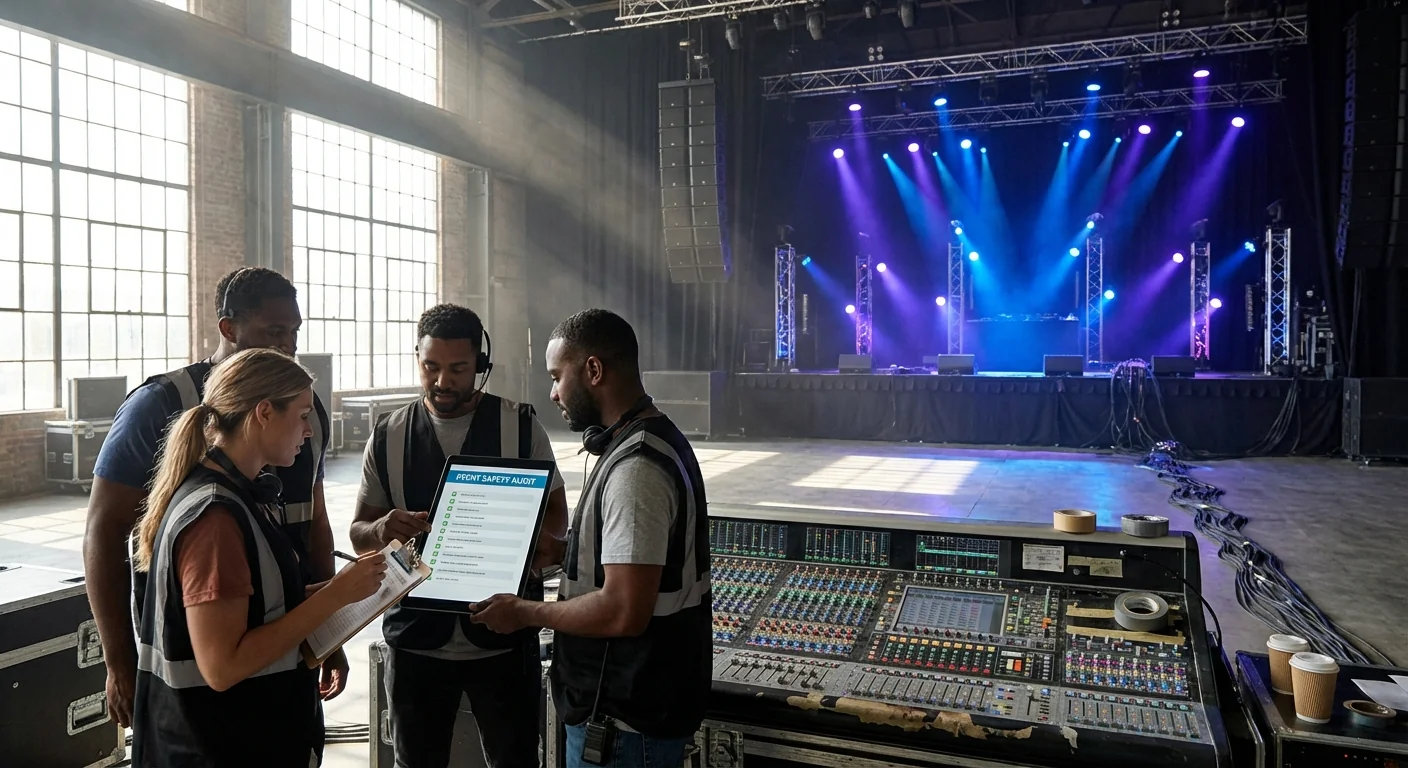
- Review incident logs and tech checklists.
- Audit compliance with the sound and lighting specs.
- Enforce contract remedies if standards were missed.
- Update contingency plans before the next event.
[IMAGE_2]
Policy stakes for every city stage
This moment is about more than one song. Cities are rebalancing cultural spending, public safety costs, and community benefit. Clear procurement, fair labor standards, and vendor training reduce risk. So does publishing ADA plans and rights on event pages, in plain language.
There is also a privacy note. City cameras, partner broadcasters, and private streamers will capture these nights. Governments should state how footage is used, how long it is stored, and how residents can opt out of close up features when possible, especially for minors.
Ashanti’s year shows the other side of civic value. Public performances can connect generations, lift small businesses near the venue, and remind officials why reliable arts budgets matter. But the public trust rides on doing the basics right, even when a cable pops or a channel goes dark.