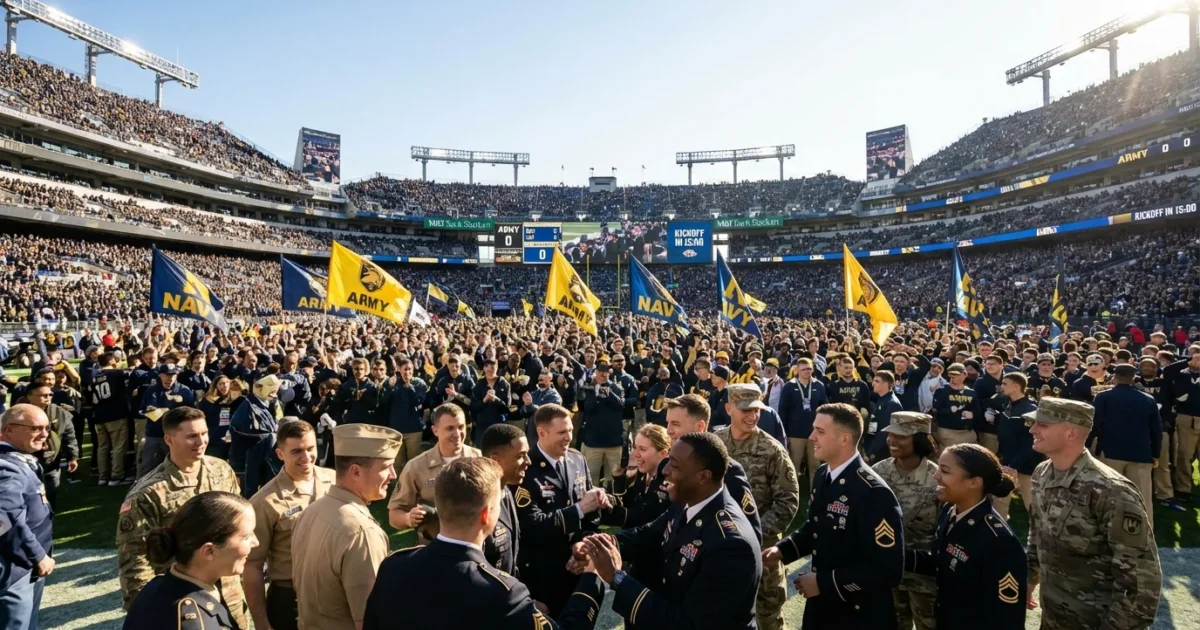
Army–Navy Game Sparks High Stakes, High Security, and Real Civic Questions
The Army–Navy Game is more than a rivalry. Tomorrow in Baltimore, it is a live civics lesson, a federal security operation, and a moment of national unity. Kickoff is set for Saturday, December 13, 2025, at 3 p.m. ET at M&T Bank Stadium. Navy is the home team. Both academies beat Air Force this season. So the winner takes the Commander in Chief’s Trophy. I am tracking the legal and policy moves now in motion as the city and federal government lock in.
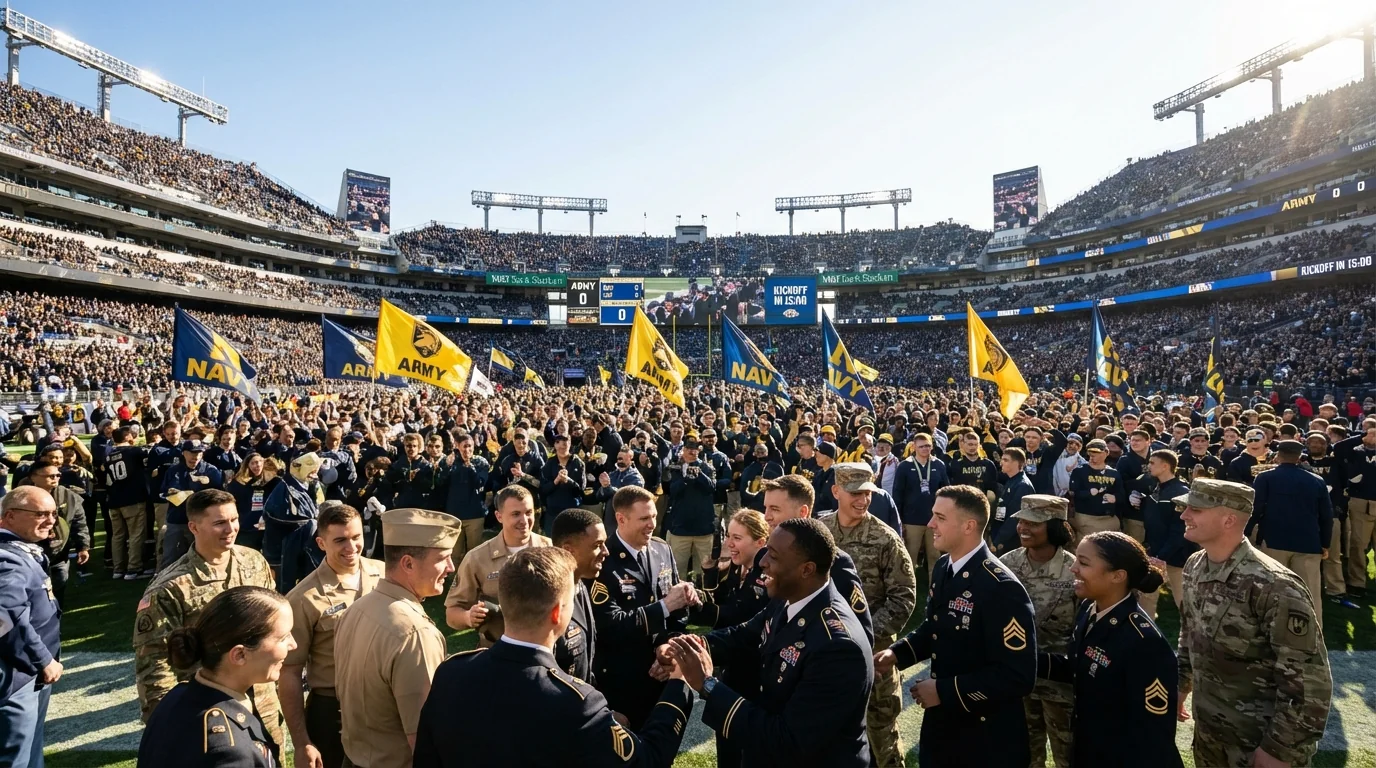
What Is at Stake, On and Off the Field
This game closes the college football regular season. It also caps a year that marks the 250th anniversaries of the Army and the Navy as military services. Expect uniforms that honor that history. Expect the prisoner exchange, the flyover, and both alma maters. The National Football Foundation honored the event this year for its national value. That fits the moment.
The trophy is simple. Beat your sister academies, take it home. Both teams beat Air Force, so this game decides it. Army comes in at 6–5. Navy is 9–2 and ranked 22. The winner likely visits the White House for a formal presentation. That visit is ceremonial, but it reflects how the federal government treats this game as a civic touchstone.
Government Posture and the Law
This event blends Department of Defense traditions, federal airspace rules, and city police powers. Here is what that looks like in practice.
-
Airspace and drones. Special events of this scale trigger tight airspace control. The FAA typically issues a temporary flight restriction over and around the stadium. Local police also enforce a no-drone zone. Hobbyists and media must respect it or face fines and seizure.
-
Security screening. Baltimore officials will run magnetometers, bag checks, and street closures near gates. These are lawful time, place, and manner limits for safety. The rules must be content neutral. They cannot single out speech they dislike.
-
Uniformed attendance. Service members may attend. They cannot engage in partisan political activity while in uniform. DoD ethics rules also bar endorsements and campaign displays by those on duty or in formation.
-
Ceremonies. The “prisoner exchange” is symbolic. Cadets and midshipmen temporarily visit each other’s campuses. No one is detained. It is a lawful tradition that underscores mutual respect.
Do not bring drones or restricted items to the stadium area. Expect federal and local enforcement across air and ground.
If senior federal officials attend, the Secret Service will expand the security zone. That can add screening and road closures. Local authorities must still preserve reasonable access for the public and permitted speech.
Your Rights Tomorrow, Clearly Stated
You have the right to attend, cheer, and engage in peaceful speech in public areas. The First Amendment protects that. Police may set protest zones for safety, but they cannot silence your viewpoint. Obey lawful orders and posted rules.
You also have rights when you enter the venue. A private ticket contract allows bag checks and entry conditions. That is standard. The Americans with Disabilities Act applies inside the stadium. Mobility access, companion seating, and service animal rules must be honored.
Ticketing is another flashpoint. Maryland consumer protection law prohibits fraud and deception. Only buy from trusted sellers. Use electronic transfer tools that verify the seat.
Take a photo of your ticket barcode after transfer. Keep a record of the seller and payment. It helps if you need a refund.
The game airs on CBS, with streaming on Paramount+. Government employees and service members who appear on camera must still follow DoD ethics rules. No partisan activity. No implied endorsements. Public service remains the standard.
Tradition Meets Policy
The pageantry tomorrow is not just theater. It is policy in motion. The flyover reflects federal aviation coordination. The field-size flag details logistics and safety rules. Military bands and units perform under command restrictions that protect neutrality and good order.
This year’s uniforms honor 250 years of the Army and the Navy as institutions created by Congress. That ties sport to the constitutional role of the services. The Commander in Chief’s Trophy adds a direct link to civilian control of the military. The winner will likely stand with national leaders in a setting that highlights service before self.
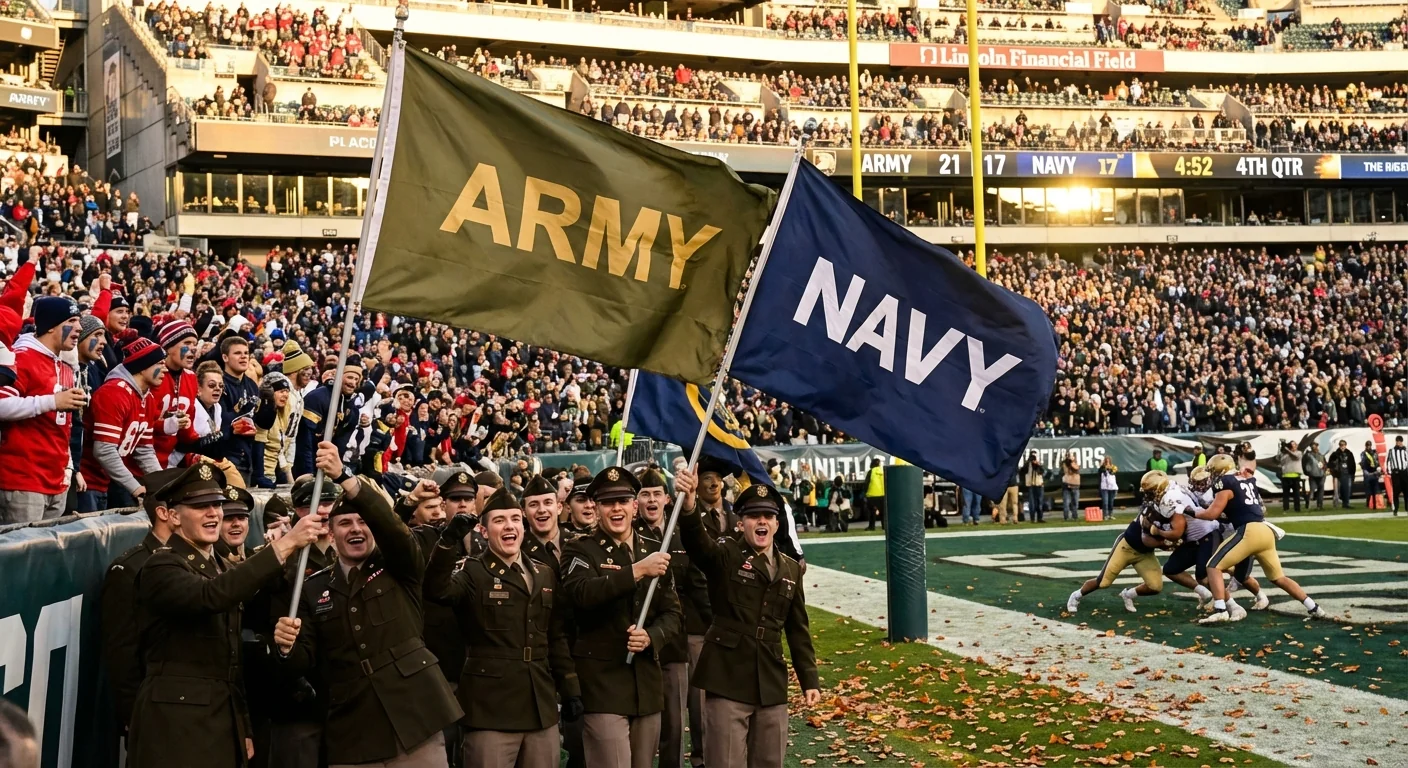
Street closures and security lines will be long. Build in extra time. Hydrate, dress for the cold, and follow posted guidance.
Conclusion
Tomorrow’s Army–Navy Game is a contest, a ceremony, and a civics class. The law shapes every part of it, from airspace to speech to ethics. The trophy crowns a season. The rules protect the public. And for one afternoon, policy and pageantry meet on a 100-yard field.