BREAKING: Antonio Brown moves to end attempted murder case under Florida’s Stand Your Ground law
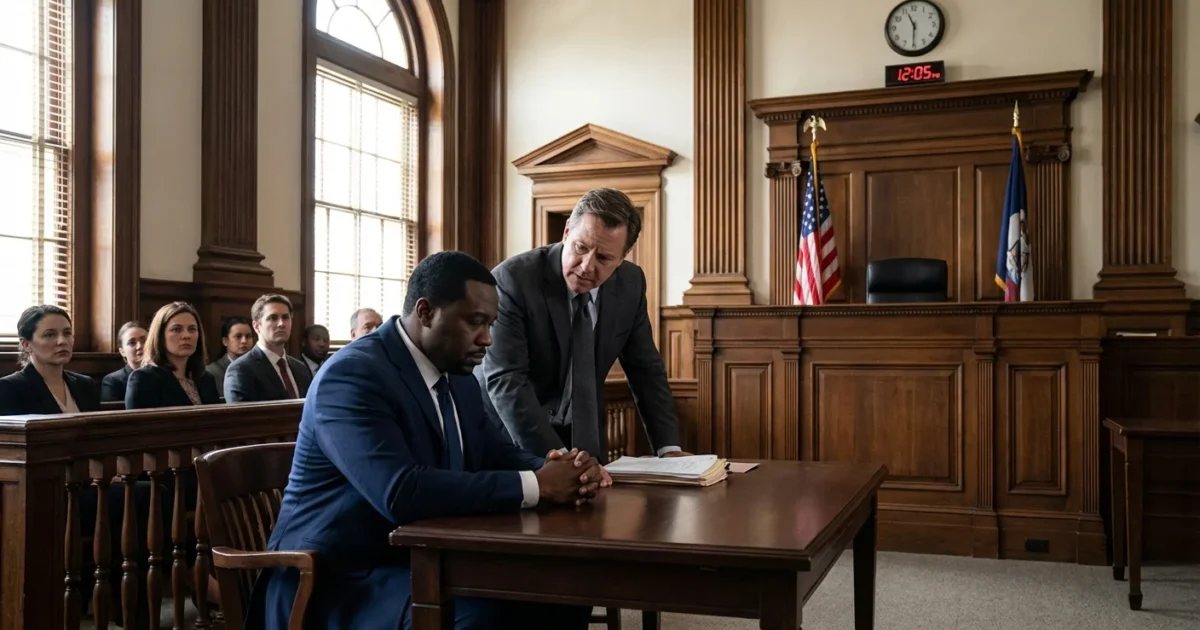
I have reviewed Antonio Brown’s new court filing, submitted Friday. His lawyers ask a Miami judge to dismiss his attempted murder case outright. They say Florida’s Stand Your Ground law protects him from prosecution. If the judge agrees, there will be no trial.
Prosecutors say Brown fired two shots outside a celebrity boxing event on May 16. They say the bullets grazed a man named Zul‑Qarnain Kwame Nantambu. Brown has pleaded not guilty. He was extradited to Miami in early November after leaving for Dubai in June. He is out on a 25,000 dollar bond, under house arrest, and tracked by a GPS monitor.
Because a gun was used, the charge carries Florida’s 10-20-Life penalties. A conviction could bring a mandatory minimum of 20 years, and up to 30. That is why this motion matters. It could decide the case before a jury ever hears it.
What happened and where the case stands
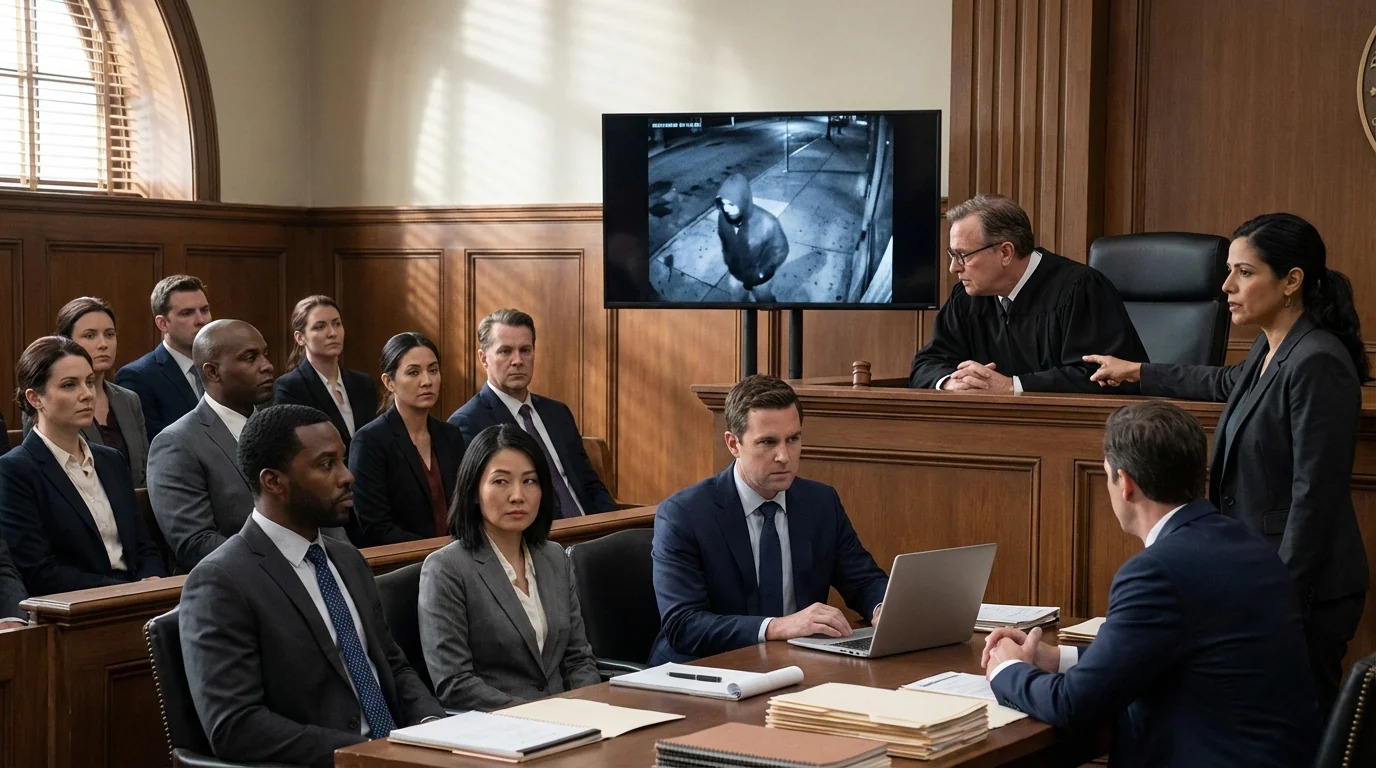
The shooting took place outside a crowded venue. Surveillance video reportedly shows Brown holding a firearm. Prosecutors say Brown and two others pursued Nantambu and attacked him. They argue this was not self-defense.
Brown’s team tells a different story. They say Nantambu had threatened Brown before. They argue Brown reasonably feared serious harm that night. They claim his use of force was justified under Florida law.
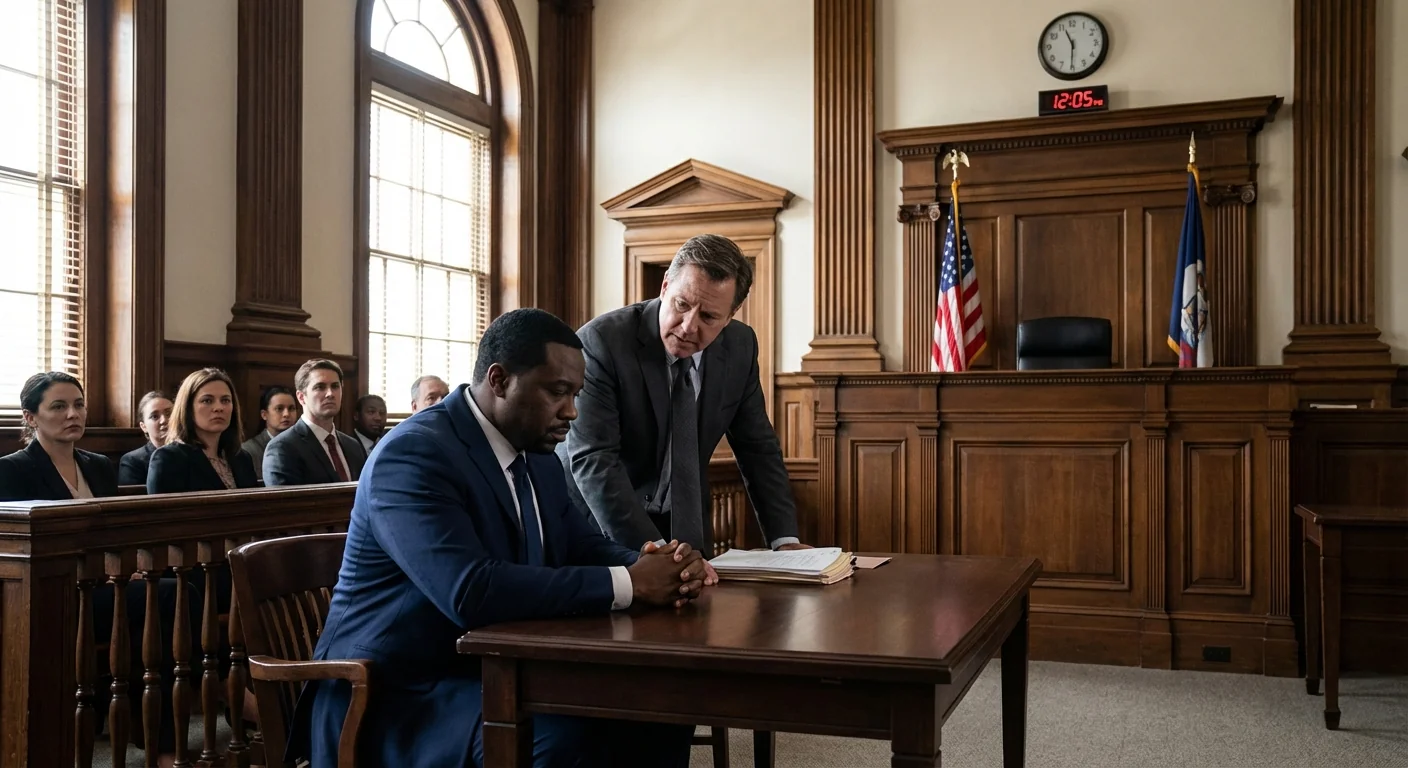
I expect the court to set a Stand Your Ground hearing soon. That hearing will determine whether the case survives. Until then, the bond and monitor rules remain in place.
A Stand Your Ground ruling can end a criminal case before trial. It is a high stakes hearing for both sides.
How Stand Your Ground works in Florida
Florida law allows a person to use force if they reasonably believe it is needed to stop death, great bodily harm, or a forcible felony. There is no duty to retreat if you are in a place you have the right to be and you are not doing something illegal.
At a Stand Your Ground hearing, the judge decides immunity before trial. The defense must present facts that raise self-defense. Then the state must prove, by clear and convincing evidence, that self-defense does not apply. If the state cannot meet that burden, the judge must dismiss.
In this hearing, judges look closely at:
- Whether Brown was the aggressor or was pursued
- Whether a reasonable person would fear deadly harm
- Whether he had a legal right to be there
- What the video and witness accounts actually show
If the judge grants immunity, Brown avoids trial. He can also gain protection from many civil claims. If the judge denies it, the case goes forward. Brown can still argue self-defense to a jury later.
Florida changed the burden of proof in 2017. The state, not the defendant, must now disprove self-defense at the immunity hearing.
What each side is likely to argue
The defense will lean on any prior threats and the seconds before the shots. They will say Brown faced imminent danger. They will stress that he did not have to retreat and that his response was reasonable under the law.
Prosecutors will push the opposite view. They will argue Brown or his group initiated the confrontation. If the court finds Brown was the aggressor, Stand Your Ground protection is unlikely. The state will also stress the two shots and how they were fired, the pursuit claim, and the video.
I expect heavy focus on angles, distance, and timing from the surveillance footage. The judge may allow expert testimony on use of force and perception of danger. Witness credibility will be key.
The stakes for policy and for Brown
This hearing tests two Florida policies at once. Stand Your Ground encourages early rulings on justified force. 10-20-Life imposes harsh mandatory time for gun crimes. The judge’s decision will shape plea talks, trial strategy, and public confidence.
If Brown wins immunity, the criminal case ends. If he loses, the sentencing risk is severe. A jury conviction tied to a firearm discharge can force a 20 year minimum. That removes most judicial discretion at sentencing.
For citizens, this moment is also a civics lesson. Rights are real, but they have limits in close, fast moving events.
If you claim self-defense in Florida, a judge can decide your immunity before trial. Your actions, and whether you started the fight, matter a lot.
Your rights and the road ahead
You have the right to:
- Seek a Stand Your Ground hearing before trial
- Remain silent and consult a lawyer
- Present witnesses and video at the hearing
- Raise self-defense again at trial if immunity is denied
A hearing date has not yet been announced. Expect strict security and a detailed evidentiary record. The ruling will be a turning point.
Conclusion
Antonio Brown’s Stand Your Ground motion now sits at the heart of this case. The hearing will test the limits of self-defense and the force of mandatory minimums. One ruling could end a high profile prosecution, or it could clear the path to a trial with decades of prison time on the line. I will keep reporting every step.