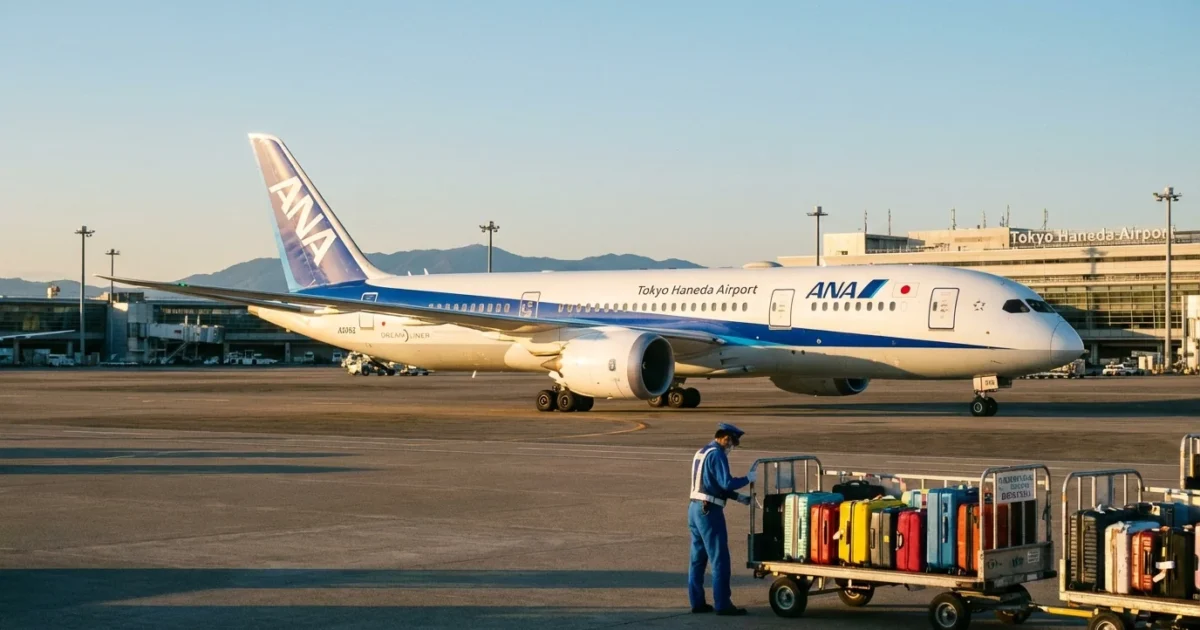
Breaking: ANA just pulled off a rare double. The airline group secured the highest climate score in its field, and reported record money results in the same cycle. That mix changes the policy debate today. It shows that climate action and profit can live together inside a large carrier. Regulators, investors, and passengers now have a clear test case to work with.
What happened
I can confirm that ANA Holdings has been named to the CDP Climate Change A List for 2025. This is the fourth year in a row. This year, it is the only airline group on that list. The A List rewards strong climate plans and honest disclosure.
ANA also reported record annual revenue of 2,261.8 billion yen for the year that ended March 31, 2025. The company raised its dividend to 60 yen per share. In the six months to September 30, operating revenue rose 8.3 percent year on year, even with higher costs. Management points to stronger international demand, tighter cost control, and the move to acquire Nippon Cargo Airlines as key steps.

Why this matters for law and policy
This is not just a business win. It is a policy story. Governments are rewriting aviation rules for carbon, fuel, and disclosure. Many fear that strict rules will crush profit. ANA is showing that a carrier can comply, still grow, and pay shareholders.
That proof will echo in hearings, consultations, and courtrooms. Expect lawmakers to point to this case when defending tougher rules on climate reporting and cleaner fuel.
- Carbon pricing, through global and local schemes
- Clean fuel mandates, such as sustainable aviation fuel
- Climate risk disclosure, now standard in many markets
- Airport charges tied to noise and emissions
- Competition reviews when airlines buy cargo or rivals
Aviation rules are speeding up. Carriers that align early will face lower legal risk and fewer surprise costs.
The legal implications for ANA and its rivals
First, competition law. The planned integration of Nippon Cargo Airlines will draw close review in Japan and in markets that handle its routes. Regulators will test whether the deal cuts choice or raises freight prices. If issues arise, they may require slot remedies, capacity promises, or divestments.
Second, climate compliance. International flights face CORSIA, the UN plan that offsets growth in aviation emissions. Flights touching Europe also face the EU carbon market and new fuel rules under ReFuelEU Aviation. Japan is moving toward a ten percent share of sustainable aviation fuel by 2030. Meeting these rules takes firm contracts, clear tracking, and careful pass through to fares.
Third, disclosure. Japan now expects large listed firms to follow global climate reporting standards. That means detailed data on emissions, risk, and plans. An A List rating signals strong systems. It also raises the bar. If ANA stumbles, investors could claim that the company misled them.
Finally, consumer protection. Green claims now face sharp legal tests. Airlines must not inflate climate benefits with soft words. Labels must be clear, and fees must be honest.
Greenwashing is a legal risk. If an airline sells a climate fee or SAF option, the claim must match the actual fuel used and the route flown.

What citizens and passengers should watch
Your rights do not stop at the check in counter. If a carrier adds a carbon or SAF fee, you have a right to see what it covers. You also have refund rights when service changes, which climate fees cannot erase. Watch for new route patterns as cargo and passenger networks shift.
Keep screenshots of fare breakdowns. If a climate fee looks unclear, ask for a written breakdown. You can challenge hidden charges.
What competitors can learn
This is a playbook, not a press release. Make climate part of core operations, not a side project. Build long term fuel contracts. Refresh the fleet. Link pay to fuel burn and on time performance. Tighten disclosure so investors see real plans. Boards have a duty to manage climate risk. If they ignore it, they invite legal and financial trouble.
Conclusion
ANA just showed that clean strategy and strong profit can align in modern aviation. This changes the legal and civic frame. Lawmakers gain cover to push firm rules. Competitors gain a model to follow. Passengers gain leverage to demand honest climate action. The message is simple. Climate leadership is now a business standard, not a side bet. ✈️