Alex Pretti is dead after being shot by federal agents during an operation in Minneapolis. City officials confirmed his death tonight. Family members identify Pretti as an ICU nurse. The Department of Homeland Security says he was armed. Video from the scene is being reviewed by investigators and by our newsroom. Key questions remain about why federal agents were in the city and what force was used.
What is confirmed, and what is not
I am laying out only what is verified right now. Everything else waits for evidence.
Confirmed
– Alex Pretti was shot by federal agents in Minneapolis.
– The city’s police chief says Pretti has died.
– DHS says the suspect was armed.
Items under review
- The exact reason federal agents were on the scene.
- Whether any body cameras or dash cameras captured the incident.
- What the available videos show in full, without cuts.
What happened on the ground
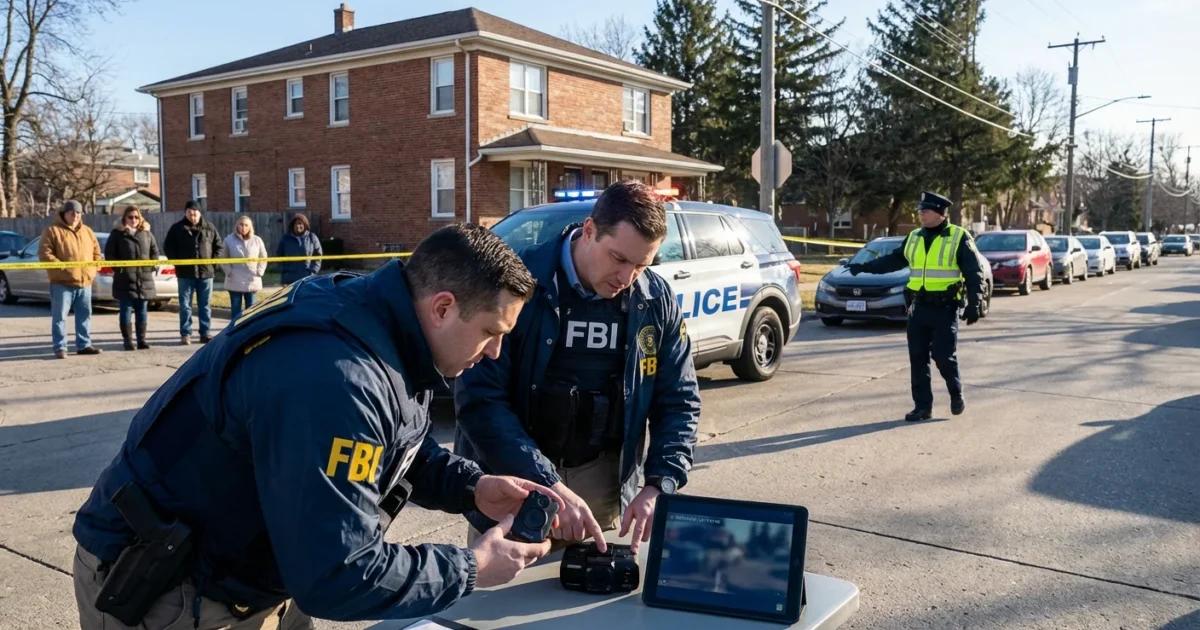
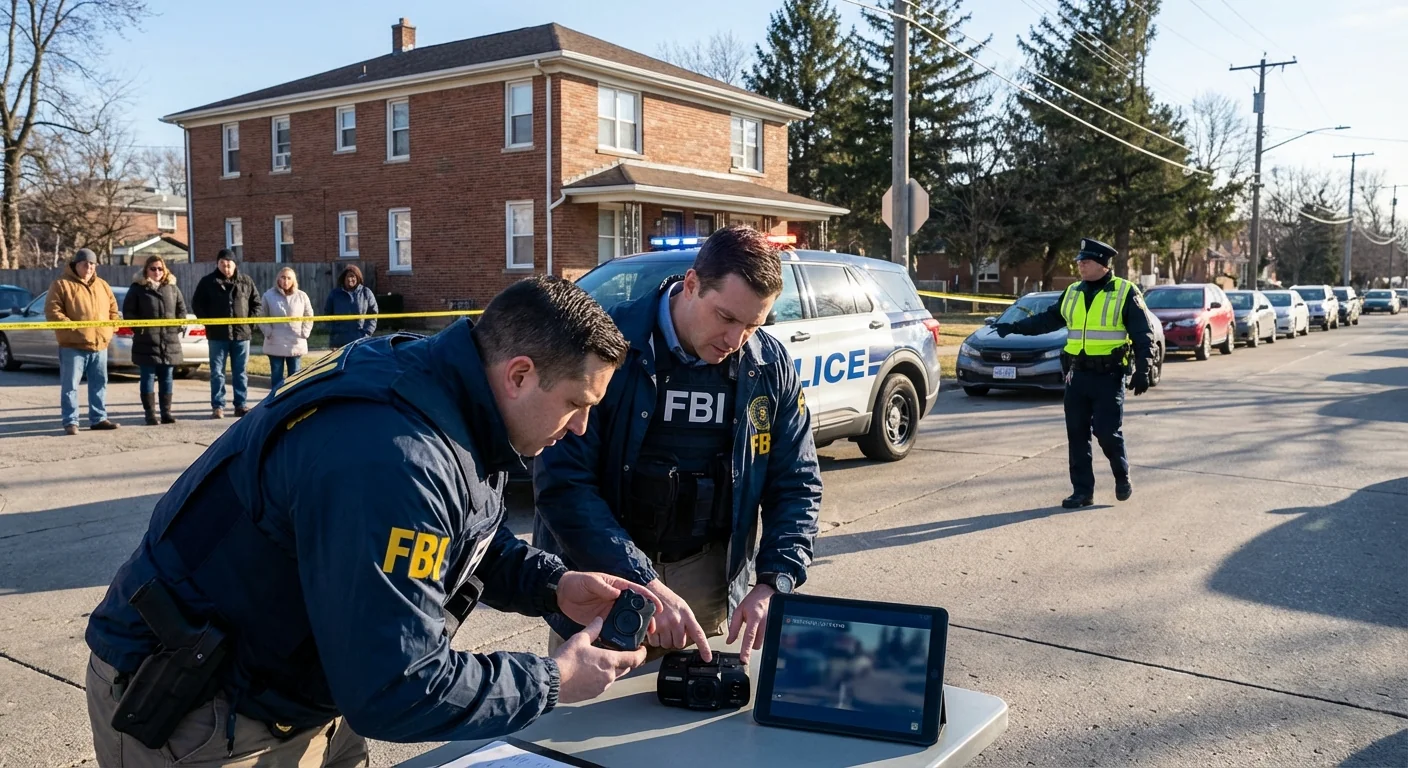
Here is the timeline based on facts we can verify. Federal agents were part of an operation at a Minneapolis location. A U.S. Border Patrol officer was among those involved. At some point, shots were fired. Local police arrived and secured the area. Pretti received medical aid and was taken from the scene. He was later pronounced dead.
We are reviewing video clips from nearby witnesses. We are also asking DHS for any available footage from body cameras or operational recordings. If agents had no cameras, we will press for reasons and for any audio or radio logs. A full, uncut timeline will depend on official release of those records.
Do not share unverified clips or claims. Wrong information can harm the investigation and the community.
Why federal agents were involved
Minneapolis has federal operations for several reasons. Agents often join task forces with local police. These teams work on guns, drugs, and fugitive arrests. DHS components, including Border Patrol, can assist far from the border when assigned to joint missions. They can also act on federal warrants or immigration cases.
Right now, the legal basis for this specific operation has not been made public. If there was a federal warrant, agencies should release the affidavit after any sensitive details are redacted. If it was a task force action, the lead agency should name the commander, the rules for use of force, and which policies applied.
The law on use of force
Deadly force by law enforcement is judged under the Fourth Amendment. The standard is objective reasonableness. Courts look at what a reasonable officer would do in that moment. They also consider the threat level, whether a suspect was armed, and whether there were safer options.
Two Supreme Court cases guide this analysis. Graham v. Connor sets the objective reasonableness test. Tennessee v. Garner bars deadly force to stop a fleeing person who does not pose a serious threat. If DHS claims Pretti was armed, that fact must be proven with clear evidence. That includes photos of any weapon, chain of custody, and officer statements.
For federal agents, civil suits face extra hurdles. Claims of excessive force often seek damages under Bivens. The Supreme Court has narrowed those claims in recent years. Families can also file under the Federal Tort Claims Act. Minnesota law allows wrongful death suits. A federal civil rights review is also possible if evidence supports it.
Who investigates and what must be released
In Minnesota, the Bureau of Criminal Apprehension usually investigates shootings by officers. When federal agents are involved, DHS internal offices also open probes. That includes the Office of Inspector General and the agency’s professional responsibility unit. The Justice Department can review for civil rights issues.
Public records will be key. Minnesota’s Data Practices Act covers local records, including 911 audio, dispatch logs, and city body camera video. Federal records can be requested under FOIA. Agencies often withhold investigative material while a case is active. Even so, they should release basic facts, including the names of involved agents, within policy limits.

You have the right to record police in public if you do not interfere. Keep a safe distance and follow lawful orders.
What citizens can do now
Community members have clear rights and tools. You can demand timely release of video and reports. You can attend public meetings and ask who approved federal involvement. You can monitor the investigation and request updates on a set schedule.
If you plan to seek records, start now. Ask the city for dispatch logs and any available body camera footage. Ask DHS for incident reports and any camera policy that applied to this operation. Stay peaceful if you gather. The First Amendment protects protest and press activity in public spaces.
The bottom line
Alex Pretti is dead after a federal operation in Minneapolis. The government says he was armed. Video is being reviewed. The law requires objective answers on why deadly force was used and whether it was justified. We will keep pressing for records, a full timeline, and clear legal grounds for federal presence in the city. The facts must come out, and the public has a right to see them.