BREAKING: Los Angeles is on edge tonight. I have confirmed that Keith Porter Jr. died on New Year’s Eve after an off-duty U.S. Immigration and Customs Enforcement agent opened fire in the Northridge area. In the first hours, officials described an “active shooter.” That label now faces sharp challenges. Families, advocates, and neighbors are demanding daylight on the facts, and on the law that will decide what comes next.
What happened, and what we still do not know
Porter was pronounced dead at the scene after a confrontation with an off-duty federal agent. LAPD took the lead on the local investigation. The agency says its findings will go to prosecutors for review. ICE has said it will cooperate through internal oversight. That is the official posture as of today.
Key details remain unclear. No public video has been released. The agent’s name has not been made public. The chain of events in the minutes before the shots is disputed. Some witnesses describe panic. Others question whether the “active shooter” label was used too fast. Those disputes will drive the legal analysis.
Off-duty use of deadly force is judged by evidence, not job title. State criminal law applies to any shooting in California, even when the shooter is a federal agent.
The “active shooter” label, and why it matters in law
Words matter in the first hours of a crisis. “Active shooter” signals extreme and ongoing danger. It can justify immediate force in the public mind. But in court, labels do not decide cases. Evidence does.
Criminal prosecutors must assess whether force was necessary. For police use of force, California’s standard requires necessity, not mere reasonableness. For a federal agent off-duty, state homicide and self-defense laws still apply to any state criminal charge. Courts also apply the constitutional standard from Graham v. Connor, which asks whether an officer’s use of force was objectively reasonable based on what they knew at the time.
If video and witness statements show an ongoing threat, the law can support a justified shooting. If they show misidentification or no immediate threat, prosecutors could consider charges. That is why the label used at the scene is less important than hard proof reviewed later.
Do not fix your view on early labels. Wait for video, 911 audio, and forensics. Those will drive prosecutorial decisions.
Transparency, video, and the identity question
Los Angeles has a policy to release critical incident video within 45 days when possible. That includes body camera or other recordings in the city’s possession. Here, the shooter was off-duty and federal, so there is no body camera footage. But private surveillance, dash cameras, 911 tapes, and patrol car audio may exist. If LAPD holds those records, California law favors public release unless it would harm an active case.
The agent’s name is another flashpoint. Local practice often releases officer names in shootings, unless there is a credible safety risk. Federal agencies are more guarded, citing privacy and security. That tension is playing out right now. Families are calling for disclosure, and for a clear timeline.
What should citizens watch for next:
- Whether LAPD releases any video or audio within 45 days
- Whether the District Attorney announces a formal review timeline
- Whether ICE identifies the agent, even with safety safeguards
- Whether the city or county schedules a public briefing
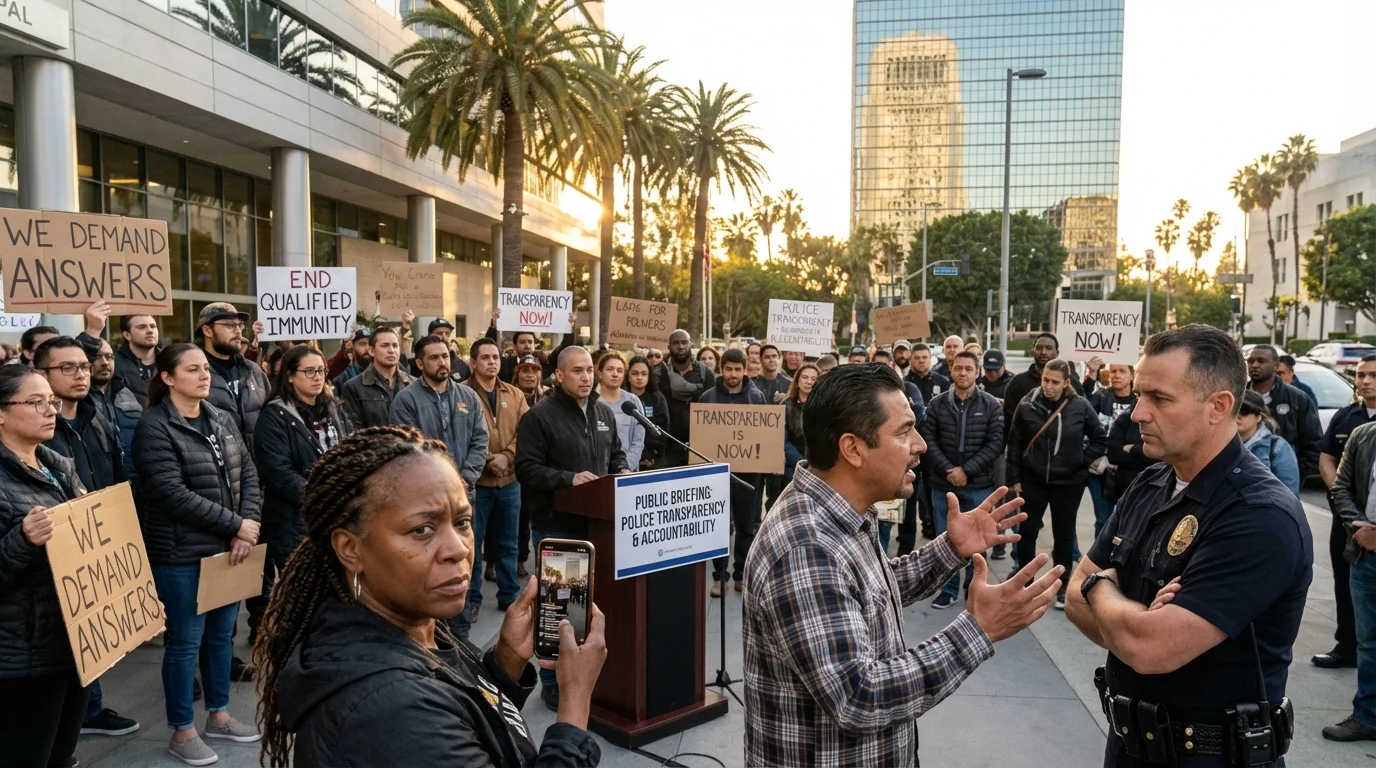
You can submit a California Public Records Act request to LAPD for video, 911 calls, and reports. Be specific about time, location, and record type.
Accountability paths, criminal and civil
Two tracks now move in parallel. The first is criminal. LAPD’s Force Investigation Division will gather statements, forensics, and recordings. Prosecutors will assess necessity, imminence of threat, and any available alternatives to deadly force. They will also weigh the agent’s off-duty status. Off-duty status does not bar a charge if the shooting was unlawful.
The second track is civil. Porter’s family can seek damages in court. Because the shooter is a federal employee, federal law shapes the route. Some claims must go first to the federal government under the Federal Tort Claims Act. Constitutional claims against federal officers are complicated, and courts limit them. If any local officers played a role, different rules may apply. Families have deadlines, so counsel often acts quickly.
Independent oversight can also step in. The Los Angeles Police Commission can review the investigation. City leaders can request briefings. These steps matter for public trust, even if they do not decide criminal charges.
What evidence will decide the case
Investigators will focus on:
- The timeline of the encounter, including 911 calls
- Video angle by angle, including any gaps
- Ballistics, distance, and number of shots
- The agent’s perception of threat at each moment
Each detail feeds the central question. Was deadly force necessary under the facts known to the shooter, at the time of the shooting?
The stakes for public trust
This case is bigger than one tragic night. It tests how fast our city labels danger. It tests how we handle off-duty force by federal agents on local streets. And it tests whether our transparency laws work when the shooter is not wearing a local badge.
Here is my bottom line. Release what can be released now. Set a firm timeline for the rest. Name the legal standards that will be used, and apply them in public view. Los Angeles has learned these lessons before. We should not need to learn them again. ⚖️