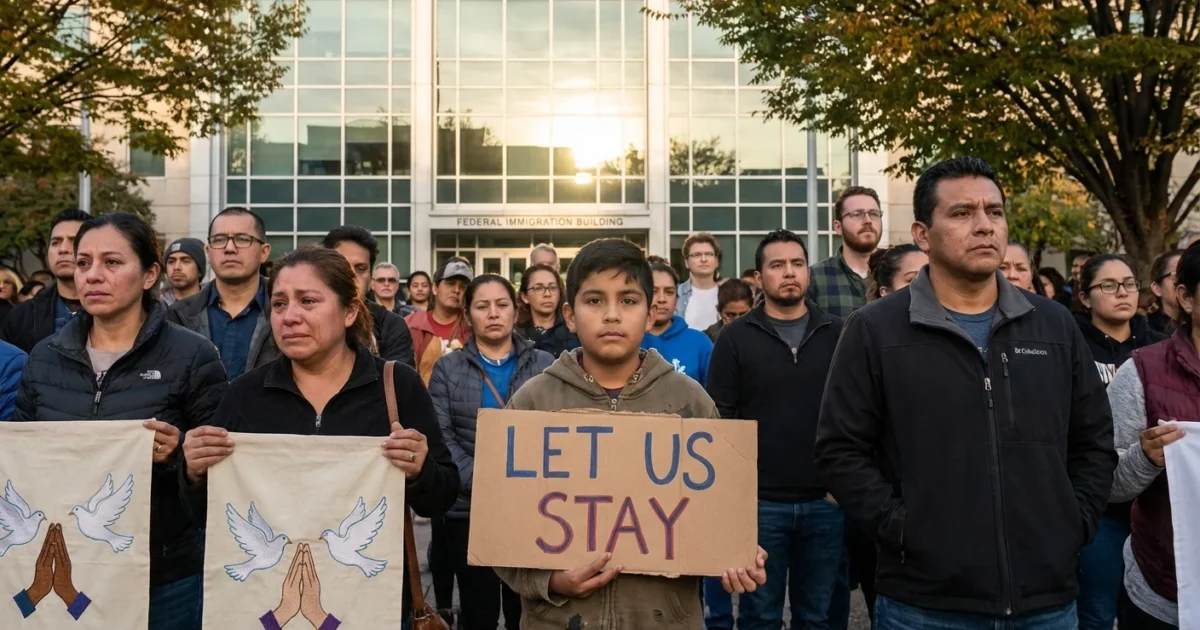
Five-year-old Liam Conejo Ramos is home in Minnesota tonight. Immigration officers released him and his father after holding them in custody. Their return is real, and it is immediate. It also puts a bright light on how the government treats children in immigration cases. The law is clear in some areas and unsettled in others. This case sits in the middle of that tension.
What happened and why it matters
Liam, also known as Liam Ramos, was detained with his father during an enforcement action. They were processed, then held pending a decision on release. Today, both walked free and traveled back to Minnesota. That single step will echo well beyond one family’s front door.
This case is now a test for how federal agencies handle children. It shows how much discretion immigration officers have. It also shows how public scrutiny and peaceful protest can shape those decisions without changing the law on paper.
The legal frame, in plain terms
Immigration and Customs Enforcement can detain people who lack status, who are in removal, or who need to attend court. But detention of children is not like detention of adults. Rules set by a court agreement, known as the Flores Settlement, require the government to seek prompt release of children to a parent, legal guardian, or sponsor. Conditions in any facility that holds children must be safe and appropriate. If there is a parent available, the default is release, not long holding.
Under the Flores Settlement, the government must seek prompt release of children to family or sponsors.
Families are often given a Notice to Appear in immigration court. They may be released on recognizance, on bond, or on parole. Some are placed under supervision, like check-ins or ankle monitors. None of these options end the case. They are a bridge to court, not the finish line.
The government also has prosecutorial discretion. That means it can choose how to use its limited resources. It can focus on higher priority targets and choose release or deferral in low-risk family cases. When you hear about a shift in tone from Washington, this is usually what it looks like on the ground. More release. Fewer family detention stays. More case management while cases move through court.
Public scrutiny meets policy
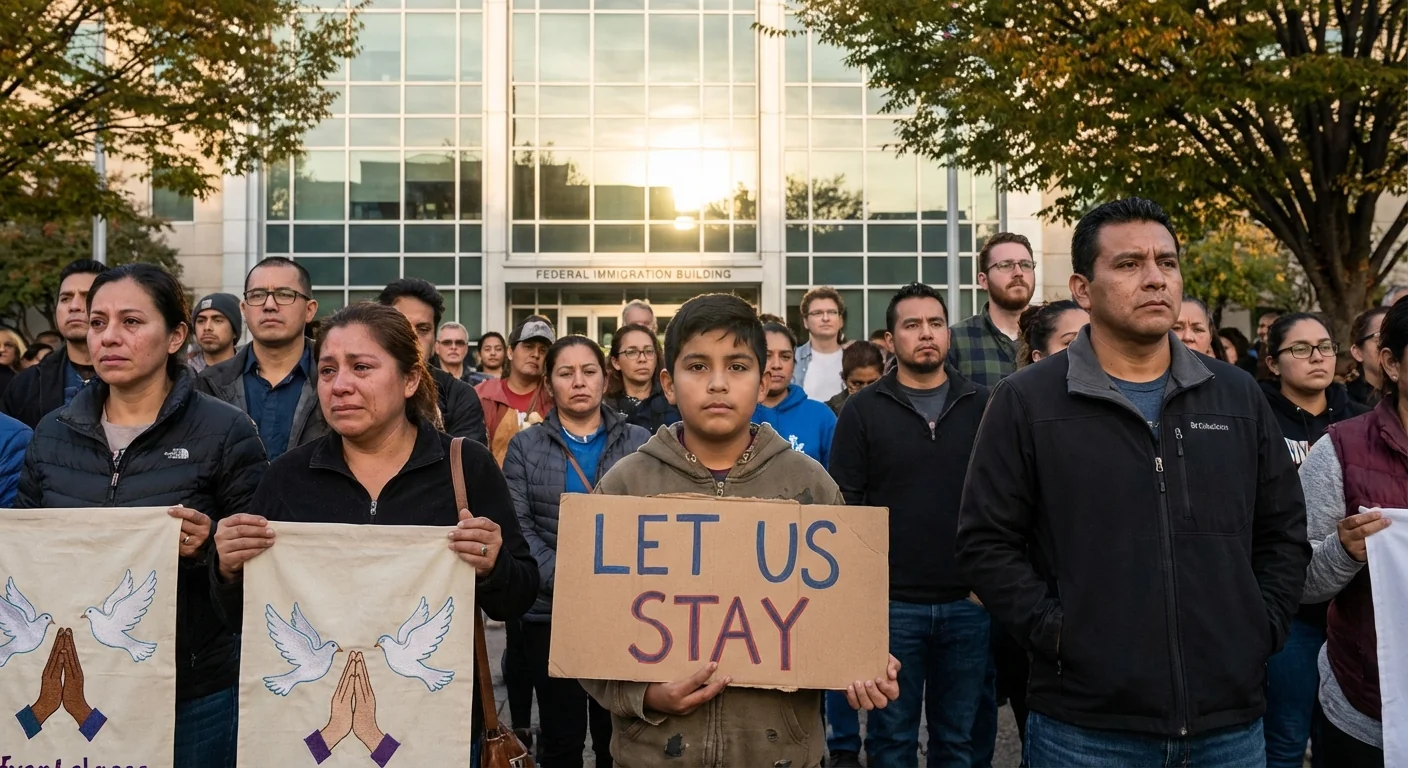
The timing of Liam’s release matters. It comes as protests against family detention intensify across the country. These demonstrations have legal weight, even if they do not change a statute. They focus attention on compliance with Flores. They press for alternatives to detention. They push for clearer guidance to officers in the field.
Inside government, tone is policy’s first draft. A softer line on family detention does not rewrite the Immigration and Nationality Act. It does guide choices at every step. Who to arrest. Who to detain. When to use parole. How to consider age, health, and community ties. Liam’s case shows that these choices are active and real today.
Families should keep copies of all papers, the A number, and request an interpreter in all meetings.
Rights and steps families can take
If a parent and child are detained, they still have rights. The basics are simple and powerful.
- Ask for a lawyer and do not sign anything you do not understand
- Ask for an interpreter in your best language
- Request humanitarian parole or release to family
- Keep copies of every document and check all court dates
Do not sign any removal or voluntary departure form without a lawyer reviewing it.
Courts expect families to appear when scheduled. Missing court can trigger a removal order. If you move, you must update your address with the court and with ICE. Legal aid groups and pro bono clinics can help with filings, bond motions, and change of venue requests.
What Liam’s release means next
Release is not the end of Liam’s legal journey. It is the start of a fairer one. He and his father will likely face hearings before an immigration judge. They may seek relief, like asylum, family-based options, or other protection if eligible. They may be assigned to regular check-ins. The main difference is that they can prepare their case from home, with school, work, and community support in place. That is better for a five-year-old and it is better for the courts.

The policy signal
Today’s outcome signals a preference for release in family cases, especially with very young children. If that approach continues, expect more use of parole and case management. Expect more emphasis on court compliance rather than custody. And expect more oversight of facilities that hold minors, with closer checks on medical care, schooling, and access to counsel.
The bottom line
Liam Conejo Ramos is home. His release, and his father’s release, marks a legal and civic turning point. The government is still enforcing the law. But it appears to be doing so with a greater respect for child welfare and family unity. That balance is required by Flores and by common sense. The coming weeks will show whether this is a single decision or a steadier course. For families watching, the message is clear. Know your rights, demand due process, and expect the law to treat children like children. ⚖️