

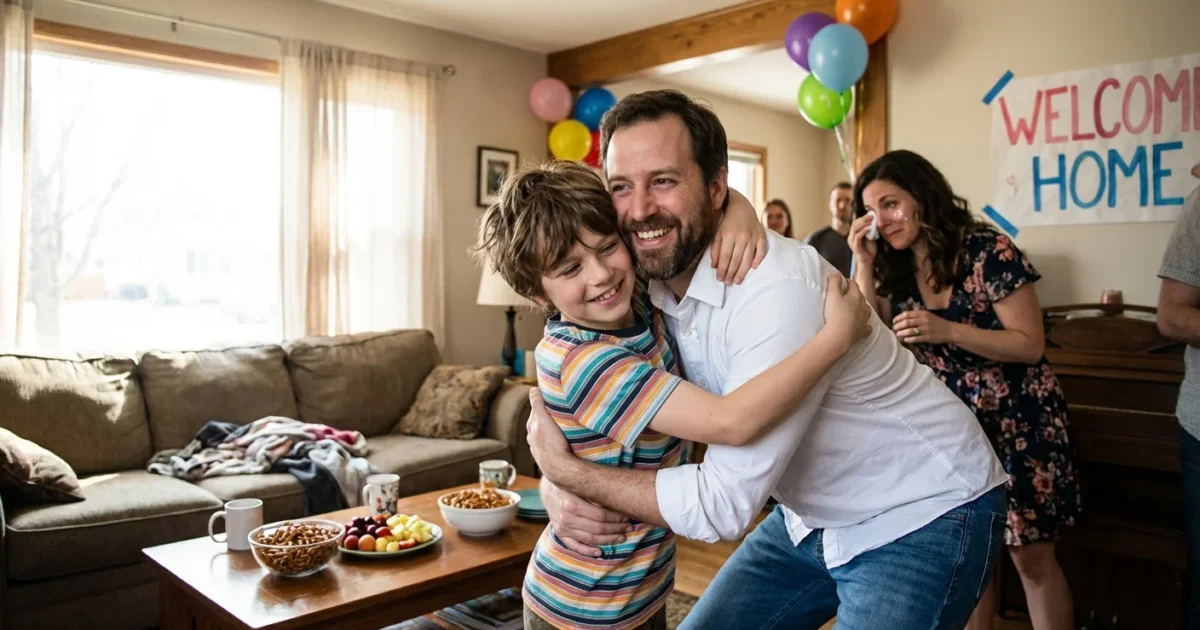
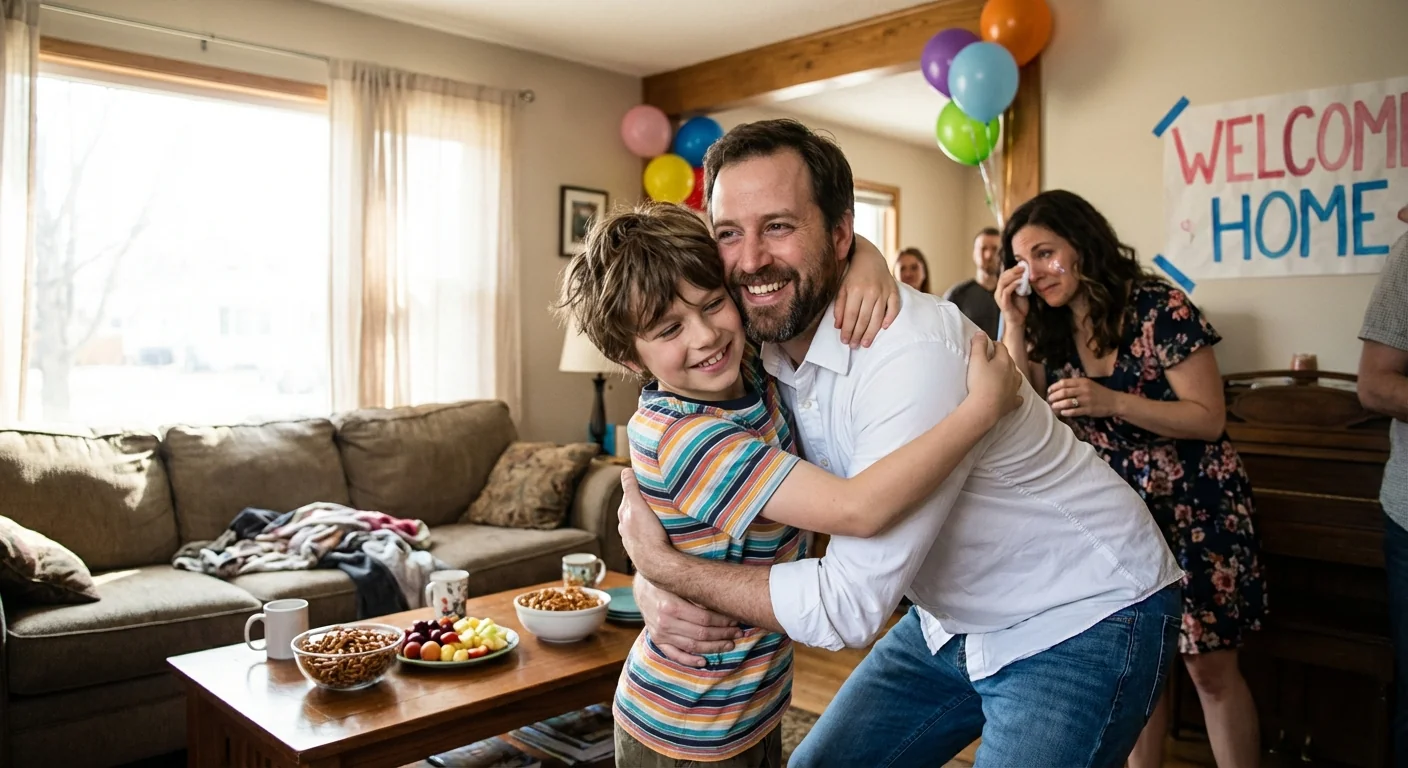
Breaking: 5-year-old Liam Ramos is home in Minnesota tonight. I have confirmed Liam and his father were released from ICE custody earlier today and reunited with family. Their detention sparked urgent legal questions, and their release raises new ones. The case now moves from a cell to a courtroom, where due process and policy will meet head on.
What led to the release
This release did not happen in silence. Community advocates pressed hard. Lawyers pushed for swift action. Local officials asked for answers. The family’s legal team requested humanitarian release, a tool ICE can use when a child’s welfare is at risk. ICE has broad authority to detain, but it also has discretion to release.
In family cases, the law points to speed and care. Under the Flores agreement, the government must place children in the least restrictive setting possible. That often means release to family. When a parent is detained, the government faces a choice. Keep the family together in detention, or release the family while the case continues. Today, ICE chose release.
The force of public oversight
Protests and public scrutiny do not write the law. But they can shape how the law is enforced. ICE’s decision here followed days of civic action and legal pressure. I saw an agency responding to facts on the ground, and to the heightened stakes of detaining a 5-year-old.
Release is not the end of the case. It shifts the fight to the legal process, where deadlines and hearings will decide the outcome.
The legal stakes now
The father still faces removal proceedings. He will receive, or has already received, a Notice to Appear in immigration court. He may seek asylum, cancellation of removal, or other relief, depending on his case. He has the right to a lawyer, at his own expense, and to present evidence. He must attend every hearing. Missing one can trigger an in absentia removal order.
ICE may place the family under supervision. That can include regular check-ins. It can also include an ankle monitor or a phone app. These are common alternatives to detention for families with young children.
If the father has a bond, an immigration judge can review it. If there is no bond, counsel can ask for a custody redetermination. The court will weigh flight risk and danger to the community. The presence of a child, family ties in Minnesota, and community support all matter.
Flores and family detention
Flores does not outlaw family detention, but it limits the detention of minors. It pushes the government to release children without delay, unless there is a strong reason not to. In practice, it has forced the government to rethink how it handles parents with children. Liam’s release fits that legal frame.

What this signals for policy
The government’s public tone has softened this week on family detention. I am watching for more releases of parents with minor children, and for fewer long family holds. For now, there is no new rule. There is no formal memo that changes the law. What we see is enforcement discretion, used more openly in family cases.
That shift matters. It means ICE field offices may weigh child welfare more heavily. It means prosecutors may pause, or narrow, some cases involving small children. It also means Congress and the courts will face louder calls to set clear limits on family detention. Expect renewed debate over Flores, funding for alternatives to detention, and timelines for asylum processing.
Policy by discretion can change fast. Families need clear written guidance, not just kinder words. Watch for official directives in the coming days.
What families and neighbors should know
If ICE knocks, you still have rights. You have the right to remain silent. You have the right to speak to a lawyer. Your community can stand with you, lawfully and safely.
- Do not open the door unless agents show a warrant signed by a judge
- Ask to see the warrant through a window, or slipped under the door
- Say, “I choose to remain silent,” and ask for a lawyer
- Do not sign anything you do not understand
Keep key papers in one place, like copies of IDs, your A-number, and any court notices. Show up to every hearing. Missing one can end your case.
The path ahead
Tonight, a child sleeps in his own bed. That matters. Tomorrow, the law returns to center stage. Liam’s release is a humane step consistent with Flores and with ICE’s authority to use discretion. It is also a test. Will this approach hold for other families, or is it a one-off action under pressure?
I will keep pressing officials for answers on policy, timelines, and accountability. Families deserve clarity. Courts deserve resources to move cases fairly and fast. And the public deserves a system that treats children with dignity, while upholding the law. In Minnesota, the Ramos family begins the next chapter. The nation watches what comes next.




