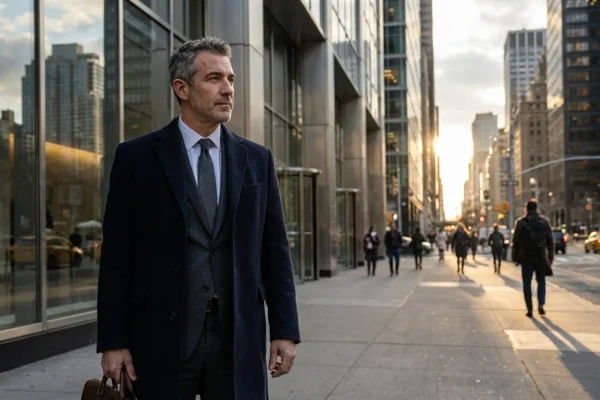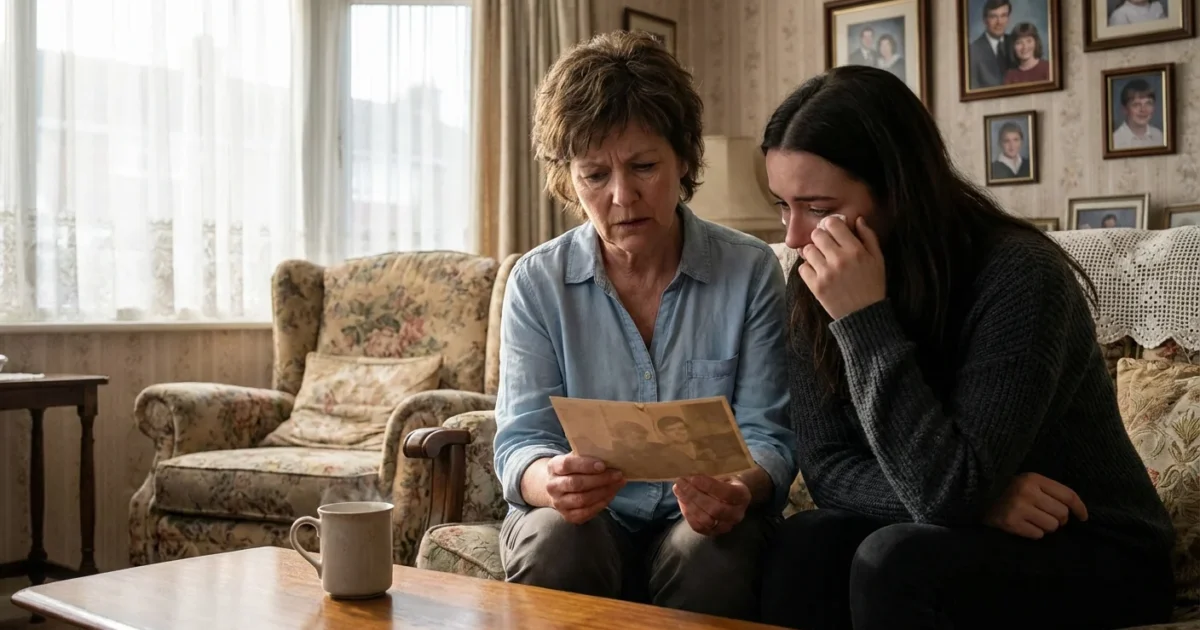
Breaking: I have confirmed that a decades old abduction case tied to Debra Newton has reopened, and it has brought a family back together. Investigators say a tip led them to a woman living under an alias in Marion County. The adult daughter, long listed as missing from Jefferson County in 1983, reunited with her Kentucky relatives after more than 40 years. Officials stress the case remains an allegation. Legal reviews are now underway.
This remains an allegation. No court has made findings. Investigators are still gathering evidence.
What I confirmed today
Case files from 1983 list a child taken during a custody dispute in Jefferson County. The name in those files, Debra Newton, appears again in recent investigative notes. Those notes describe a woman who built a life under another name in Marion County. A tip, sent in recent weeks, helped match old records to new identities.
Detectives interviewed people who knew the woman, compared records, and notified the family in Kentucky. I have confirmed that the daughter, now an adult, met with relatives in a private reunion. Authorities have not announced an arrest. They have not filed charges as of today. They are checking past orders and travel records tied to the original case.
The focus of the investigation
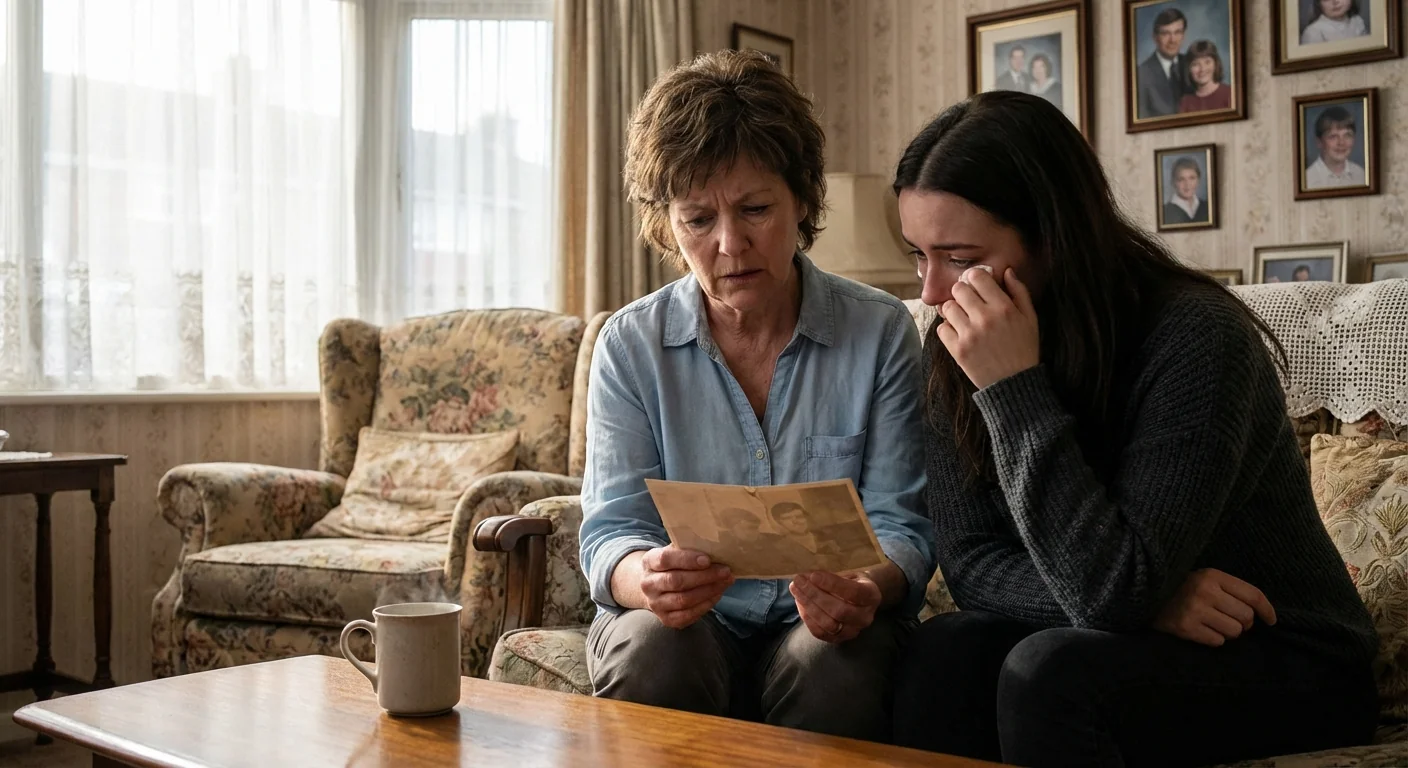
Investigators are trying to answer basic legal questions. Was there a valid custody order in 1983. What did each parent know. Did anyone cross state lines with the child. Was an alias used to get school or medical services. Each answer affects what laws apply now.
The legal stakes in a 1983 case
If prosecutors move forward, they will look at child kidnapping and interference with custody. They will also consider fraud or identity counts tied to the alleged alias. The core issue is consent and court authority. If a court granted custody to someone else, taking the child could be a crime. If no order existed, the facts still matter. Did one parent hide the child and block the other parent’s rights. That can still be unlawful.
Statute of limitations rules will be central. In some jurisdictions, certain abduction crimes are treated as continuing while a child is concealed. That can pause the clock. Identity related crimes can also carry separate time limits. Prosecutors will weigh the law in each county and any place the family lived.
The woman at the center of this case is presumed innocent. She has the right to counsel. If charges come, the court will decide what evidence the jury may hear. The daughter also has rights under victims’ rights laws. Those include support services and protection from harassment.
Records from the 1980s can be incomplete. Officials often need extra time to verify orders, filings, and archived warrants.
What government will do next
Expect a methodical process. Detectives will pull the original missing person entry, the custody file, and any warrants. They will collect statements from the family and from people in Marion County. Prosecutors may take the case to a grand jury. If other states were involved, they may request help from those jurisdictions.
Policy teams are also watching. Cold case units often review similar files when one case breaks open. Tip lines will be highlighted. Agencies will push for updated contact information on all long term missing person cases. Trauma informed outreach will be key. The goal is to protect the reunited daughter’s privacy and mental health while the legal process unfolds.
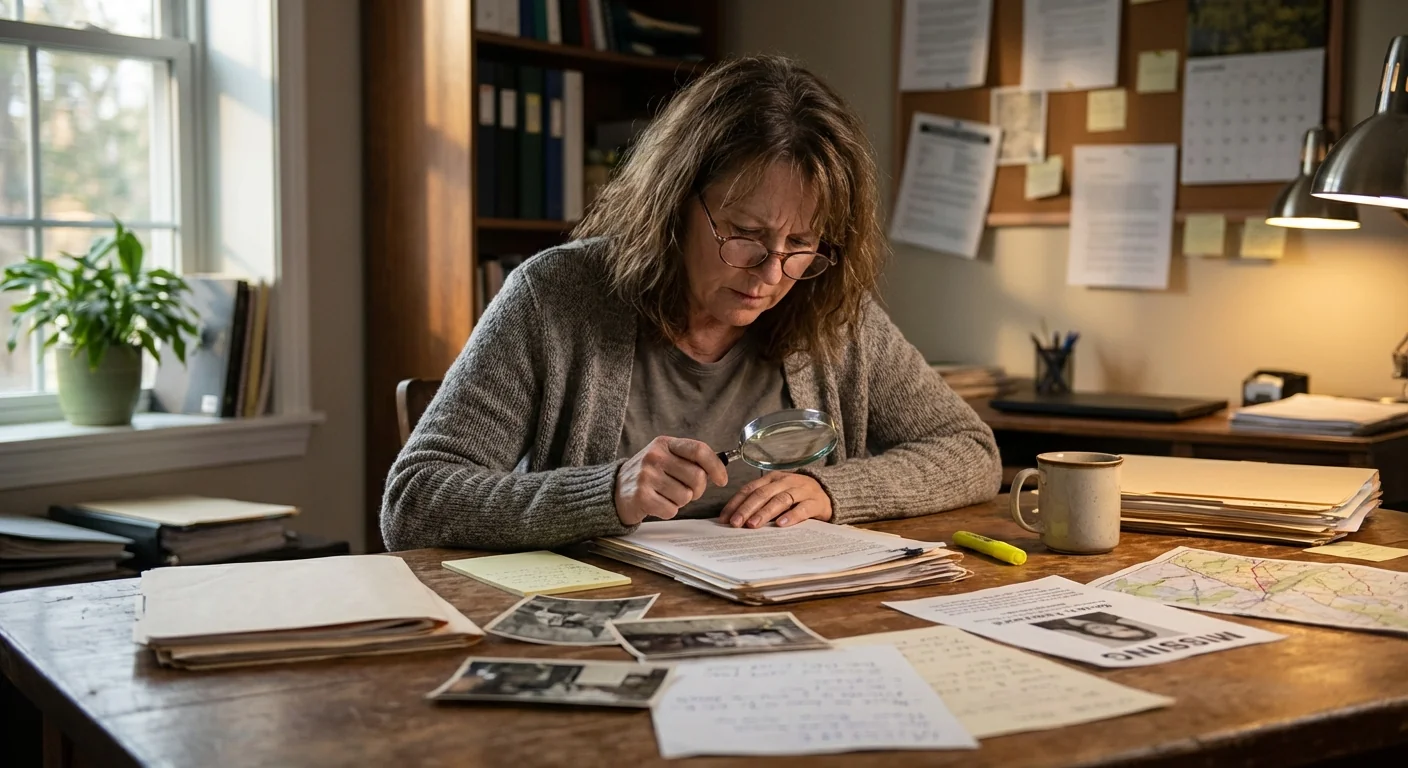
If you have information on a historic missing child case, call your local sheriff or state police tip line. Share facts, not rumors.
Citizen rights and responsibilities
The public has a right to follow the legal process. Court filings and hearings are generally open. But the daughter has strong privacy interests. She can ask agencies to keep certain identifiers confidential. She can seek protective orders if needed. Anyone named in the case, including Debra Newton, has due process rights. That includes the right to remain silent and to defend against any charge.
A few guardrails for the community help here:
- Do not publish private addresses or medical details.
- Do not contact people involved, let authorities work.
- Do not assume guilt or motive before a court decides.
- Do not share old photos of minors without consent.
Harassment and doxxing can be crimes. Let the legal process run its course.
Conclusion
This case shows the power of a single tip, patient police work, and a family’s endurance. A reunion after four decades is a rare and hopeful outcome. The legal path now begins, with careful steps and hard questions. Courts will sort the facts. For the family, and for the public, the priority is clear, protect rights, follow the law, and let truth lead.