
BREAKING: 25th Amendment push lands at the White House door
Calls to sideline President Trump under the 25th Amendment erupted today after his renewed push to pursue a purchase of Greenland. A Democratic senator publicly urged action. Senior officials are now gaming out scenarios. Here is the reality check. The Constitution sets a steep path, and the clock would matter as much as the votes.
What triggered today’s fight
The spark is simple and startling. I am told the President has again pressed aides to explore acquiring Greenland. It echoes a 2019 episode that drew ridicule and diplomatic friction. This time, it unleashed a constitutional debate, not just late night jokes.
Within hours, a Democratic senator urged the Vice President and Cabinet to act under Section 4 of the 25th Amendment. That provision covers a president who is unable to discharge the duties of the office. The Constitution does not define the word unable. That is the core tension now.

Policy disagreements or controversial ideas are not enough by themselves. Section 4 is about inability, not unpopularity.
How Section 4 would actually work
There is a lot of heat today. Here is the cold sequence that would have to happen, step by step.
- The Vice President and a majority of the Cabinet sign a written declaration that the President is unable to do the job. They send it to the Speaker of the House and the Senate president pro tempore.
- The Vice President becomes Acting President at once. The transfer is immediate upon delivery.
- The President can contest by sending his own letter saying no inability exists.
- The Vice President and Cabinet then have four days to reassert their claim.
- If they do, Congress must meet. If not in session, it must assemble within 48 hours.
- Congress then has up to 21 days to decide. It takes two thirds of both chambers to keep the Vice President as Acting President. If that vote fails, the President returns to power.
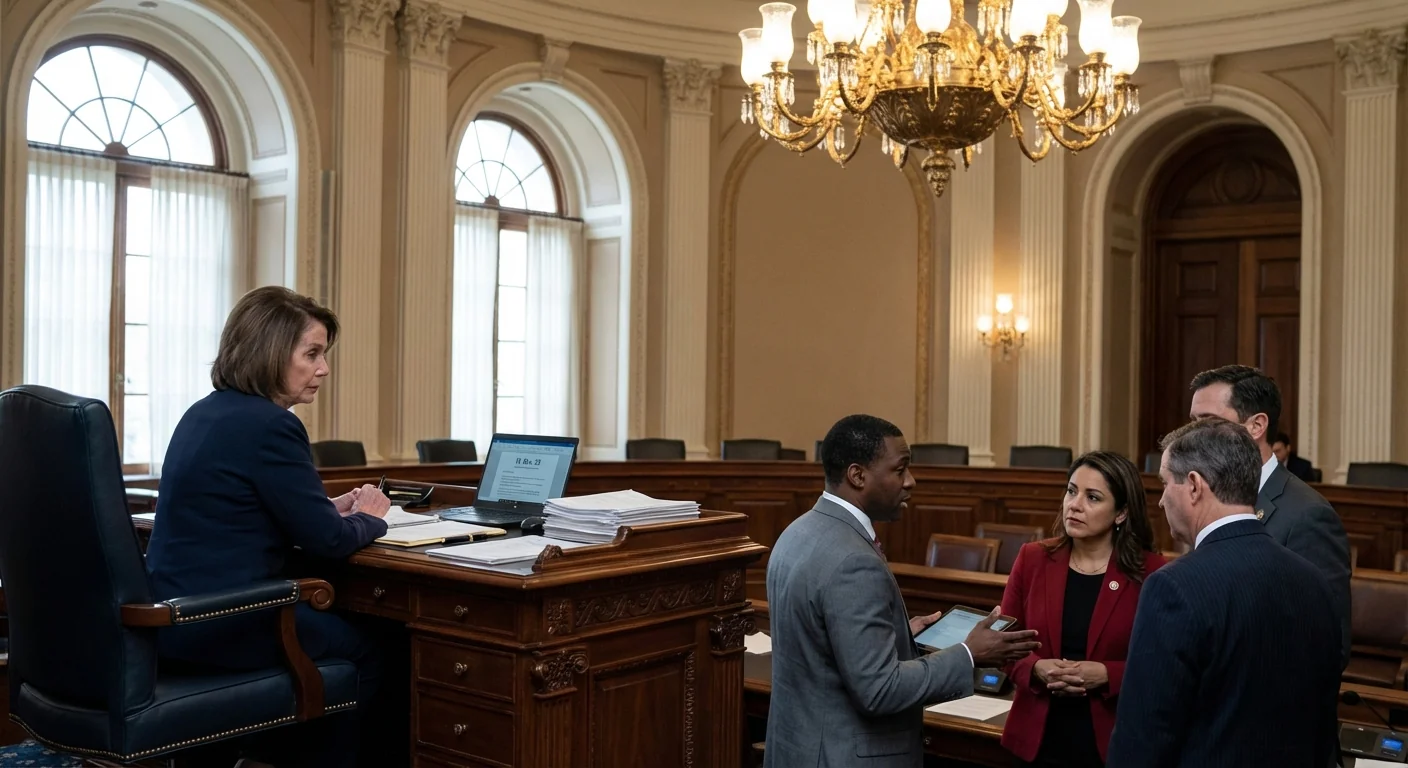
Section 4 has never been used. Section 3 has been used for short, planned handoffs during medical procedures. Section 2 has been used to fill a vice presidential vacancy.
Why success is a long shot
Start with the first gate. The Vice President must lead. Without the Vice President, Section 4 does not move. Next, a Cabinet majority must sign. Cabinet members are chosen by the President. Many are loyal or wary of a constitutional clash.
Then comes Congress. Two thirds in both the House and the Senate is a towering bar. That is higher than impeachment removal in the Senate alone. It requires bipartisan support on a massive scale. Supporters would need not just an argument, but evidence that convinces many in the President’s own party.
There is also the calendar. The Constitution sets short windows for letters and long windows for votes. That means days of uncertainty, not hours. Markets, agencies, and allies would watch every move. The White House would marshal counter arguments. The public would face competing claims in real time.
Citizen rights and what to watch next
This is a legal process, not a street fight. Your rights do not change. You can speak, assemble, and petition your government. You can press your representatives to explain their position. You can demand transparency about any letters and votes.
Key signals to watch include:
- A formal statement from the Vice President
- Cabinet resignations or public letters of support or concern
- A notice from House and Senate leaders about receiving a declaration
- A schedule for Congress to convene and vote
Bookmark the 4 day and 21 day clocks. If the process starts, timing shapes the outcome. ⏳
The legal bottom line
The Constitution gives a tool for true inability. It did not settle what inability means. That leaves judgment to leaders who must act first, and to Congress that must decide. Courts have no formal role in the text. The remedy is political and constitutional at once.
Invoking Section 4 would test every nerve in our system. It would demand proof, restraint, and courage. It would also demand patience from the public. That is how the amendment was designed. It makes dramatic action possible only with overwhelming agreement.
Conclusion
Today’s calls are loud. The path they describe is narrow. If the Vice President and Cabinet move, the nation would enter a tense but lawful process. If they do not, this will remain a flash of rhetoric around a controversial idea. Either way, the Constitution sets the rules. Our job is to watch, question, and insist they are followed, line by line.