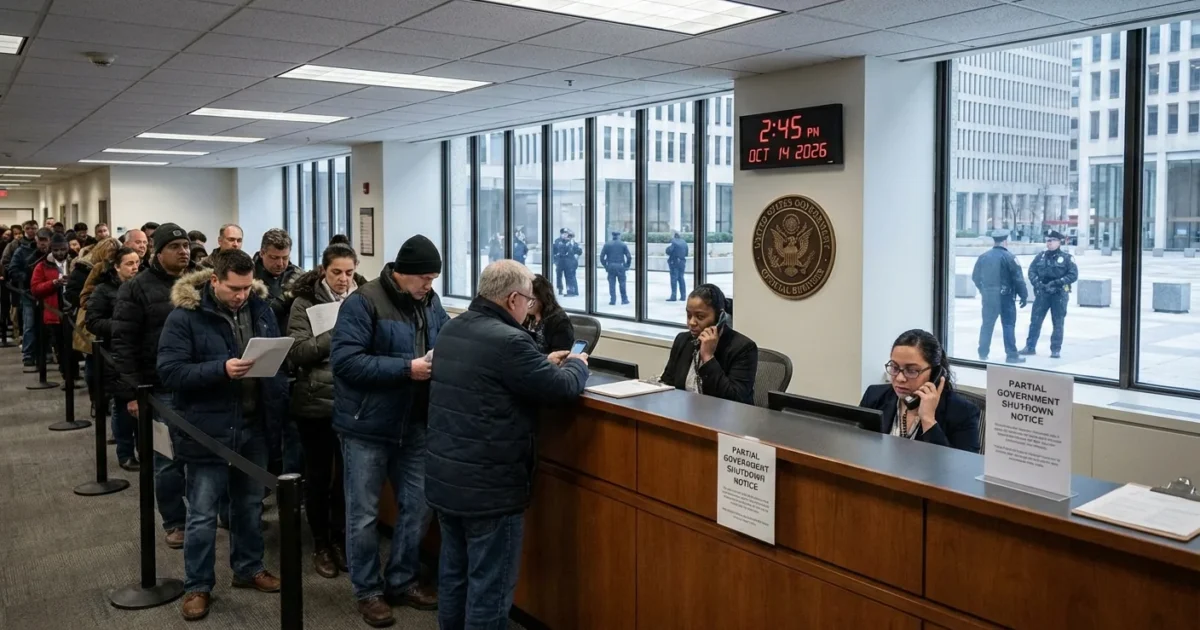
The federal government is in a partial shutdown, now on day three. Services are slowing. Tensions are rising. The math in the House will decide how fast this ends, and at what political cost.
Where we stand right now
Congress missed funding deadlines. That triggered a lapse in appropriations. Agencies without approved money have begun furloughing workers and pausing nonessential work. Essential functions continue, as the law requires.
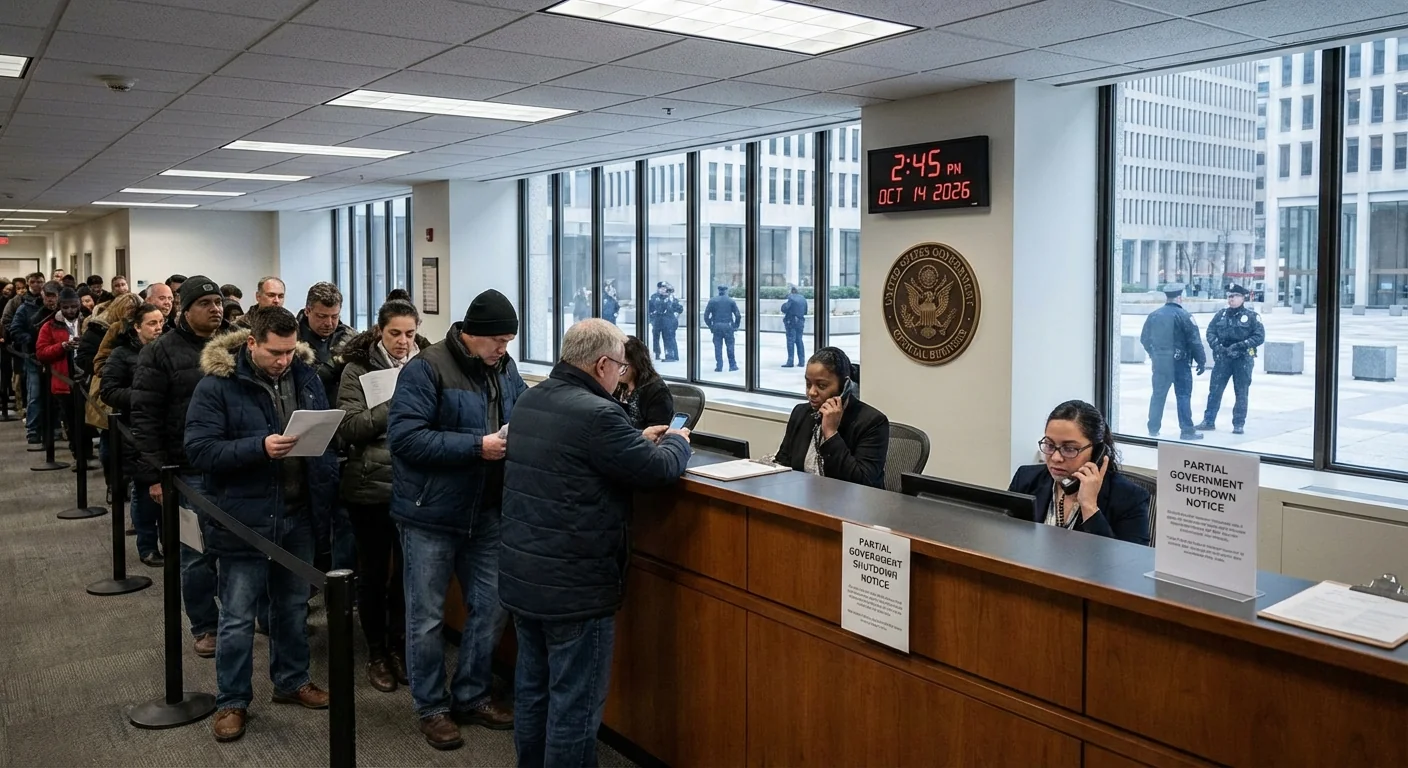
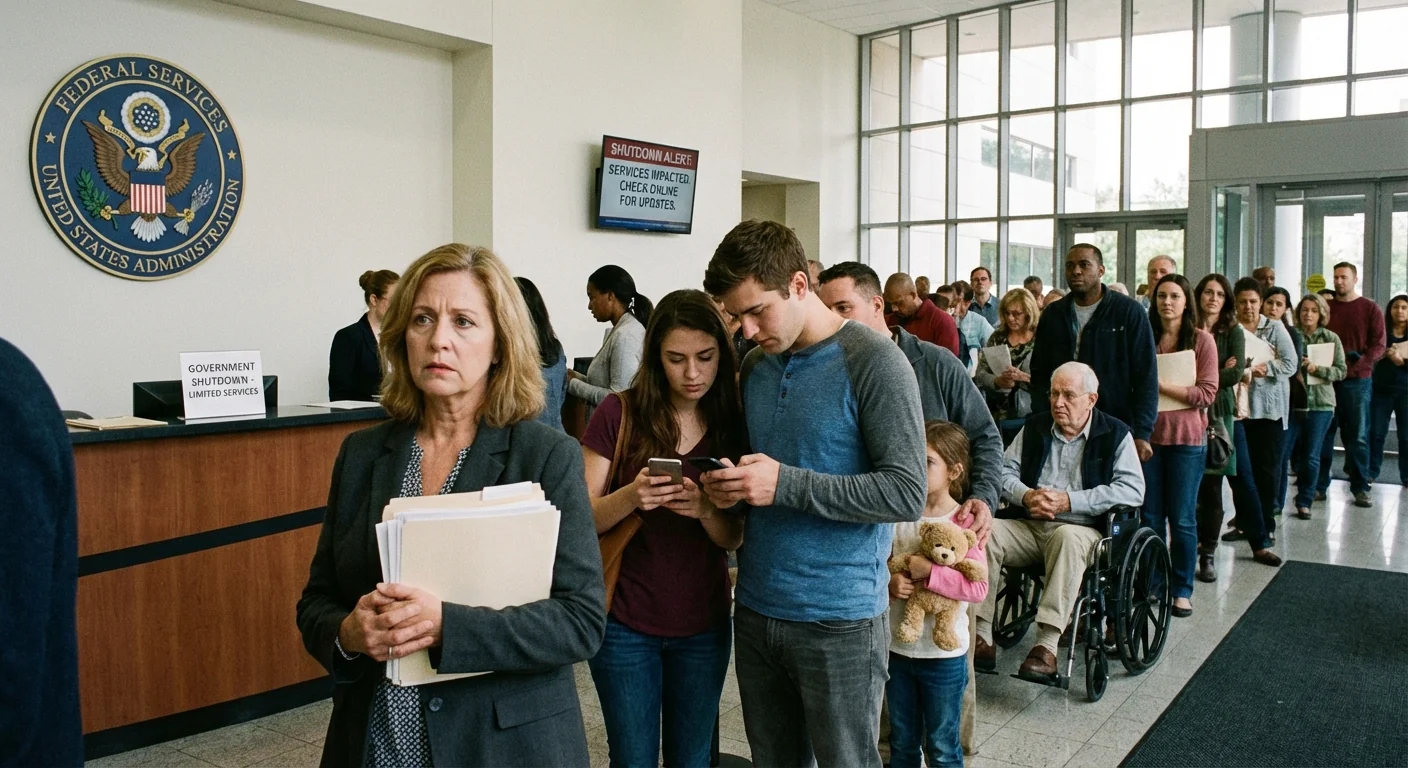
Airports are open. TSA and air traffic control are on the job. Troops are on duty. Social Security checks are still going out. But many offices are quiet. New permits, grants, and some loans are paused. Lines are longer. Phones ring unanswered. This is the slow grind of a partial shutdown, not a full stop.
The political math that matters
House Speaker Mike Johnson faces a binary choice. He can win over conservative holdouts, or he can pass a bipartisan deal with help from Democrats. Either path is hard. Each path carries a different risk.
If he chooses his right flank, he must accept steeper cuts and policy riders. That would likely lose Democratic votes. The Senate would resist it as well. The shutdown could stretch on.
If he chooses a cross aisle deal, he can move a clean funding bill or a narrow compromise. He can bring it up under a rule backed by both parties, or use a two thirds vote under suspension. Either option could end the shutdown quickly. It would also invite blowback from his own members. His speakership would face a test.
The majority is razor thin. A few votes decide the result. That is why the clock matters so much today. Any agreement must also pass the Senate and be signed by the President. One chamber cannot end a shutdown alone.
What the law requires in a shutdown
The Antideficiency Act bars federal agencies from spending money without Congress. There are narrow exceptions. Work that protects life or property continues. National security and law enforcement continue. So do activities funded by fees or permanent appropriations.
Federal employees who are furloughed will receive back pay once a funding bill becomes law. That is set by statute. Employees who must work during the lapse will also be paid after funding resumes. Federal contractors are different. They do not have a general right to back pay under federal law, unless a contract or later law provides it.
Courts use fee balances and other funds to operate for a time. Mail keeps moving because the Postal Service uses its own revenue. Many benefits keep flowing too, though customer service slows.
If you are a federal worker, keep records of hours worked, leave, and missed pay. If you are a contractor, document contract delays and costs. It will help with claims once funding returns.
What stays open, and what slows
Here is the practical picture today:
- Open, with strain: airports, border security, military operations, Social Security, Medicare claims, the Postal Service
- Slowed or paused: passport processing, some national parks, federal small business loans, housing program approvals, new research grants
Expect longer wait times for hotlines. Expect delays in permits and FOIA responses. Museums and parks may vary by site, based on fee revenue and staff availability. Federal websites will carry status notices. Agencies will post contingency plans.
Your rights and what to do now
Citizens still have rights during a shutdown. Appeal deadlines in benefits programs often keep running. Court deadlines continue unless a judge orders otherwise. Tax penalties and interest do not stop unless the IRS announces specific relief. If you have a deadline, meet it. Do not assume extra time.
Plan ahead. Reschedule nonurgent appointments if needed. Keep copies of all filings. Use online portals where possible. For urgent benefits and safety issues, call and ask for an exception. Agencies maintain skeleton crews for urgent needs.
Beware of scams. No federal agency will demand payment by gift card or wire to speed up a delayed service. If you get such a request, report it.
What comes next
The shutdown ends when Congress passes a funding bill and the President signs it. The fastest path runs through a bipartisan vote in the House, then quick action in the Senate. The longer path runs through party only demands, repeat stalemates, and days of mounting costs.
Speaker Johnson is at the fork in the road. Placate conservatives, and risk time. Partner with Democrats, and risk his gavel. The choice will shape his speakership and the shutdown’s length. The country is waiting. The law is unforgiving. The clock is loud.