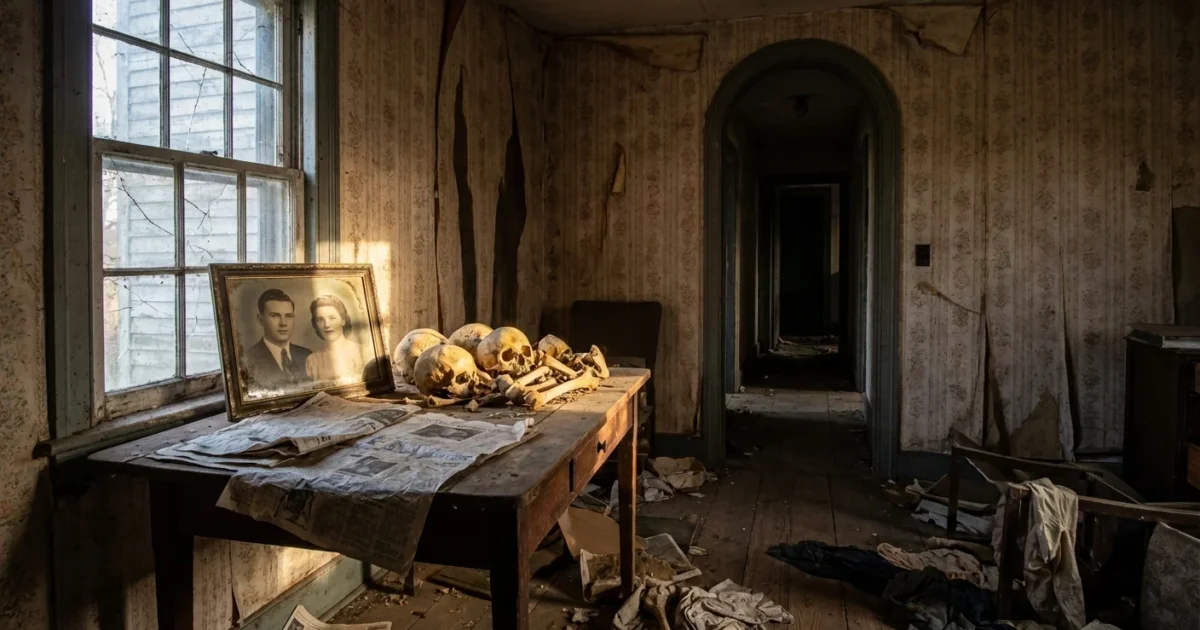
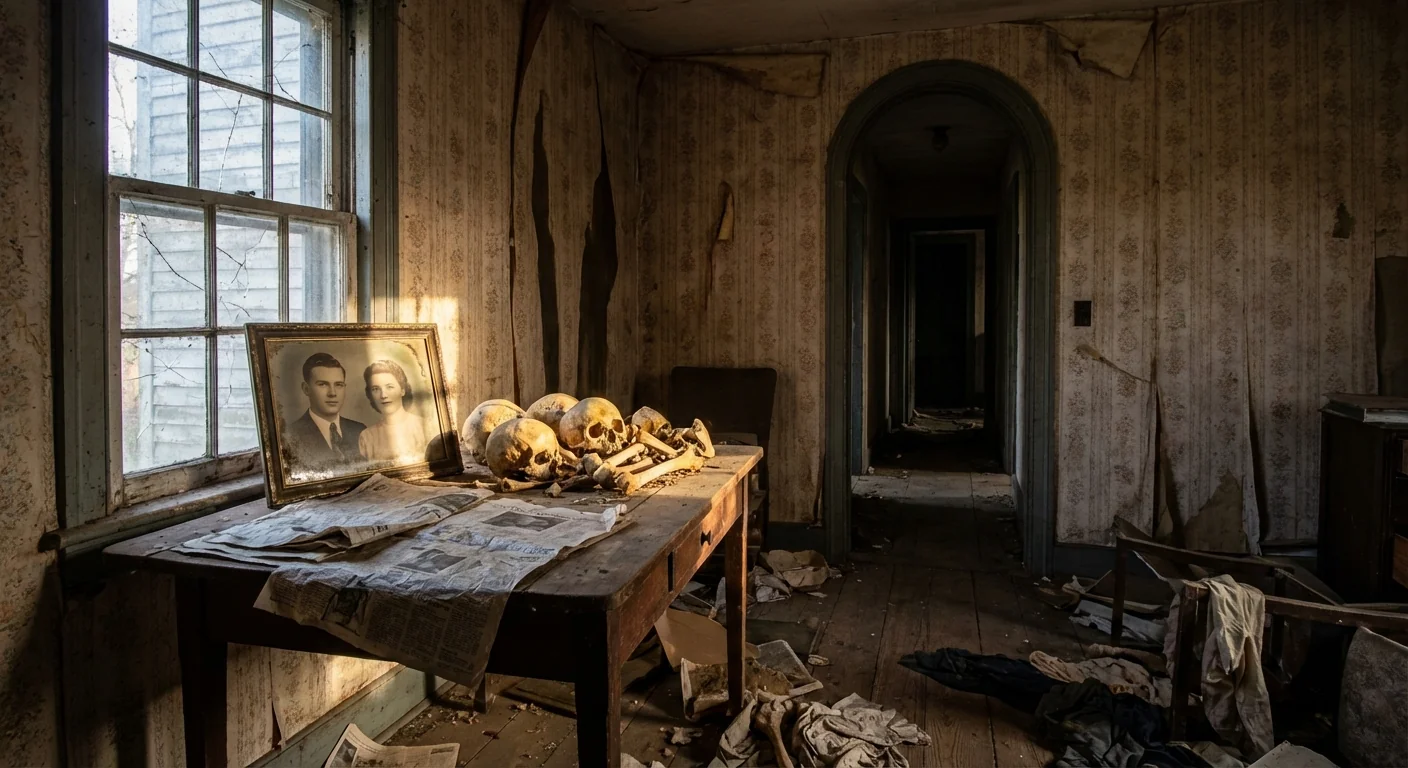
Police say they uncovered more than 100 human skulls and other bones inside a Pennsylvania home tied to Jonathan Gerlach. The discovery shocks the community and raises urgent questions. How did this happen. Who failed to protect the dead. What now for families whose loved ones may have been taken. This is a case about law, policy, and dignity.
What Investigators Allege, And What We Know Now
Officials allege that many remains were stolen from cemeteries, including in Delaware County. Cataloging is underway. Identifying victims will take time. Families are being notified as remains are matched to records.
Gerlach is in custody and accused, not convicted. Formal charges are still taking shape. Expect counts tied to abuse of a corpse, theft, and vandalism of burial places. In Pennsylvania, crimes that target graves carry serious penalties. If prosecutors can show organized activity, penalties can increase.
The crime scene work will be slow and careful. Each bone must be logged, preserved, and tested. DNA may be used if possible. Paper records from cemeteries will matter. So will surveillance footage, tool marks, and travel data. The chain of custody will be crucial when this reaches court.
The Law Is Clear, The Oversight Is Not
State law protects human remains, period. Families have the right to expect respectful handling. Cemeteries must maintain safe grounds and keep records of burials and disinterments. Yet this case exposes gaps that bad actors can exploit.
Night access is often lightly controlled. Fences are weak. Cameras fail. Volunteer boards do not have money for patrols. Private and religious cemeteries face the same risks as public ones. Permits for moving remains exist, but verification can be thin. When remains disappear, reporting is not always immediate or uniform.
An illicit market for human bones exists in the shadows and sometimes online. Some sales are legal when remains have documented medical or educational origins. Many are not. Without strict proof of origin, human remains can move through a gray zone. That is where theft thrives.
If there is no clear, written provenance for a human skull or skeleton, it should not be for sale. Lack of proof invites crime and harm.
Policy Fixes That Cannot Wait
The facts point to concrete steps that lawmakers and regulators can take now. These changes protect the dead and the living. They also make prosecutions easier and faster.
- Require 24 hour reporting to police and the state when any burial is disturbed or remains are missing
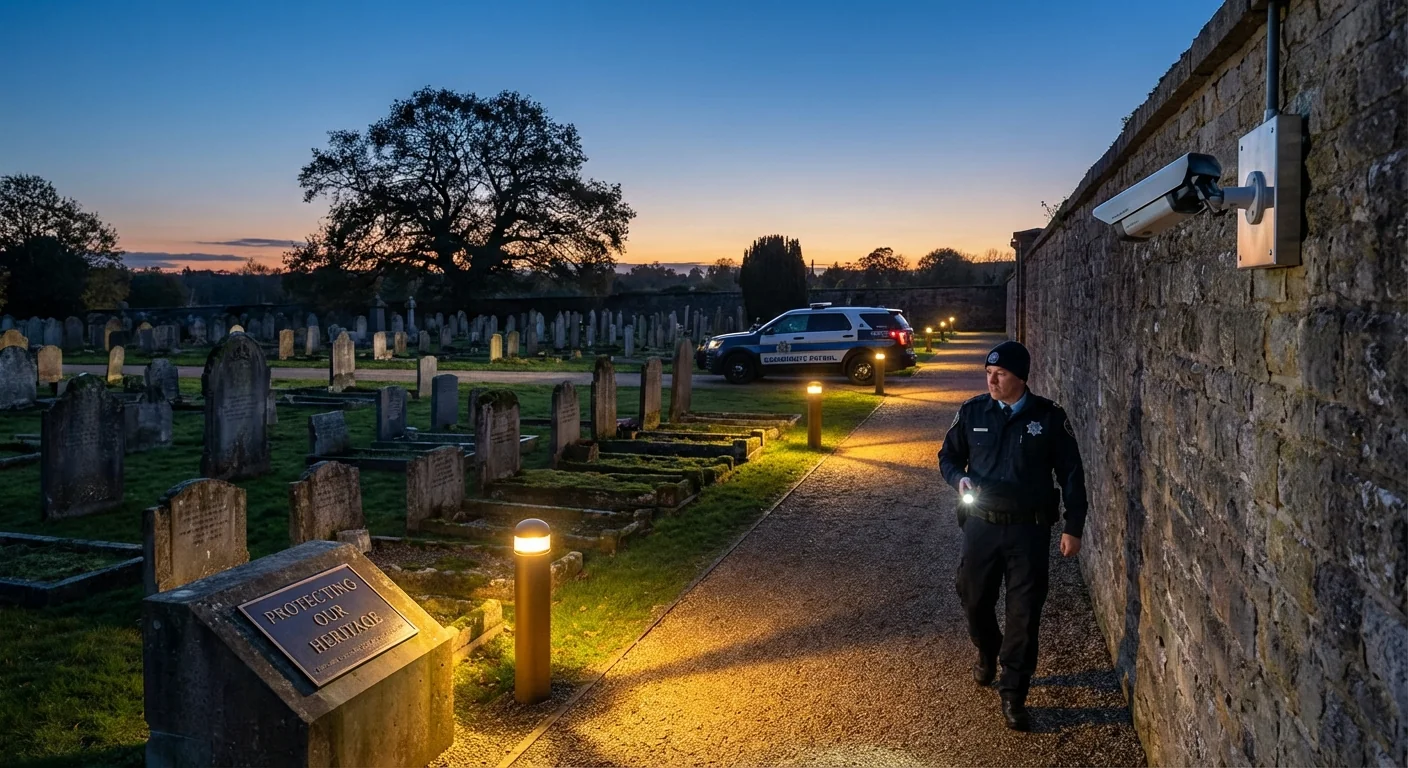
- Fund security basics at cemeteries, including lighting, cameras, locks, and regular patrols
- Create a state permit and tracking system for any sale or transfer of human remains
- Mandate audits for cemeteries, with spot checks on disinterments and contractor credentials
- Ban online sales in the state without verified provenance and proof of lawful origin
These steps are realistic. They do not burden families. They increase accountability for cemetery managers, contractors, and dealers. They also give prosecutors clear rules to enforce.
Rights Of Families, And What To Do Now
Families have the right to timely notice if remains are found or disturbed. They have the right to information about identification. They may seek restitution for funeral costs and headstone damage. Civil suits are possible against responsible parties, including property owners, vendors, or cemetery operators that failed basic care.
Keep your own records. Know the plot number, funeral home, and cemetery contact. If a loved one’s grave shows damage, document it and file a police report. Ask for the case number and the name of the investigating officer. Victim services can help with counseling and claims.
Photograph headstones and plot markers during visits, and store burial documents in one folder. Small steps speed verification if something goes wrong.
What Comes Next In The Case
Expect a first court appearance focused on bail and conditions. Discovery will be dense, with lab work and cemetery records. If a grand jury is used, that process will be quiet until charges are returned. Defense counsel will test every link in the evidence chain. The presumption of innocence applies at every stage.
For the public, the path is patience and vigilance. Support for affected families must be steady, not a spike of attention. For policymakers, the path is action. Close the gaps. Track human remains with the care we give to vital records. Treat grave sites as critical infrastructure, not soft targets.
Conclusion
The alleged conduct tied to Jonathan Gerlach is shocking, but the legal roadmap is clear. Protect cemeteries, verify every transfer of remains, and give families the notice and help they deserve. Dignity is a right that does not end at the grave. It is time to enforce it with funding, oversight, and law. 🕯️