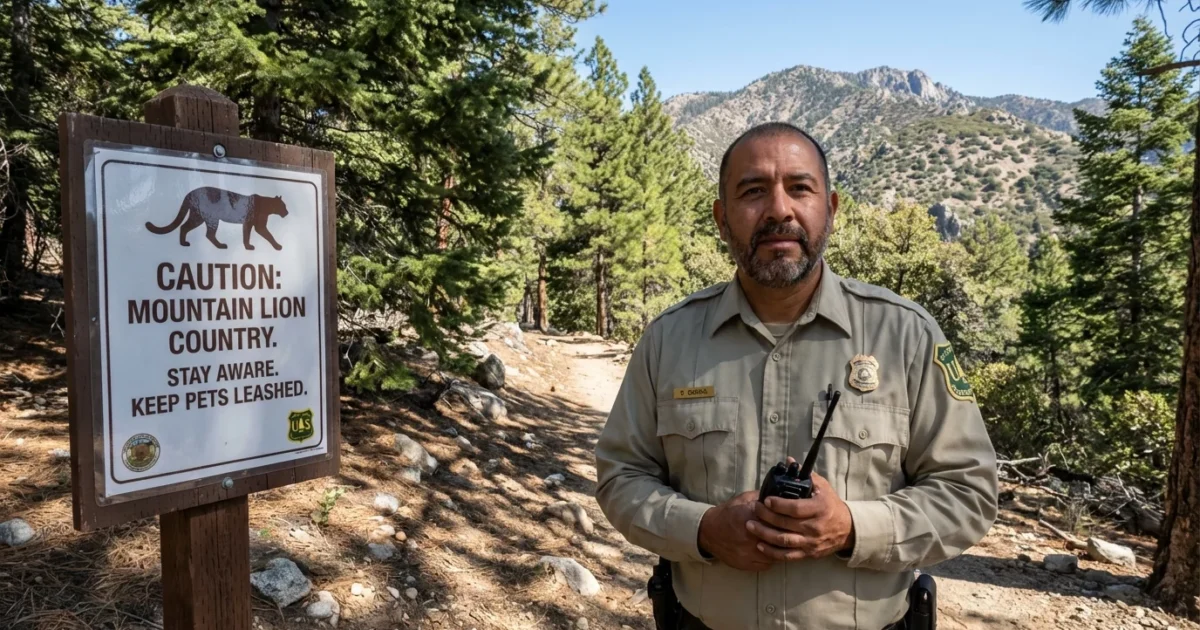
A woman was found dead near a northern Colorado trail today, in what officials suspect was a mountain lion attack. If confirmed, this would be Colorado’s first deadly encounter since 1999. The news is rattling hikers and trail runners across the Front Range. It is also a wake up call. Mountain lion attacks are rare, but time outside always demands respect and a plan.
What we know, and what we do not
Authorities are investigating the scene and reviewing signs in the area. They have not confirmed the exact cause of death. The location is in northern Colorado, on or near a popular trail. Details on the woman’s identity have not been released. There is no official word yet on closures, though temporary restrictions are possible as the investigation continues.
What matters for weekend plans is simple. Expect more patrols, more posted signs, and possibly brief trail shutdowns as officers work. The aim is to secure the area and protect both people and wildlife. Patience helps the process move fast.
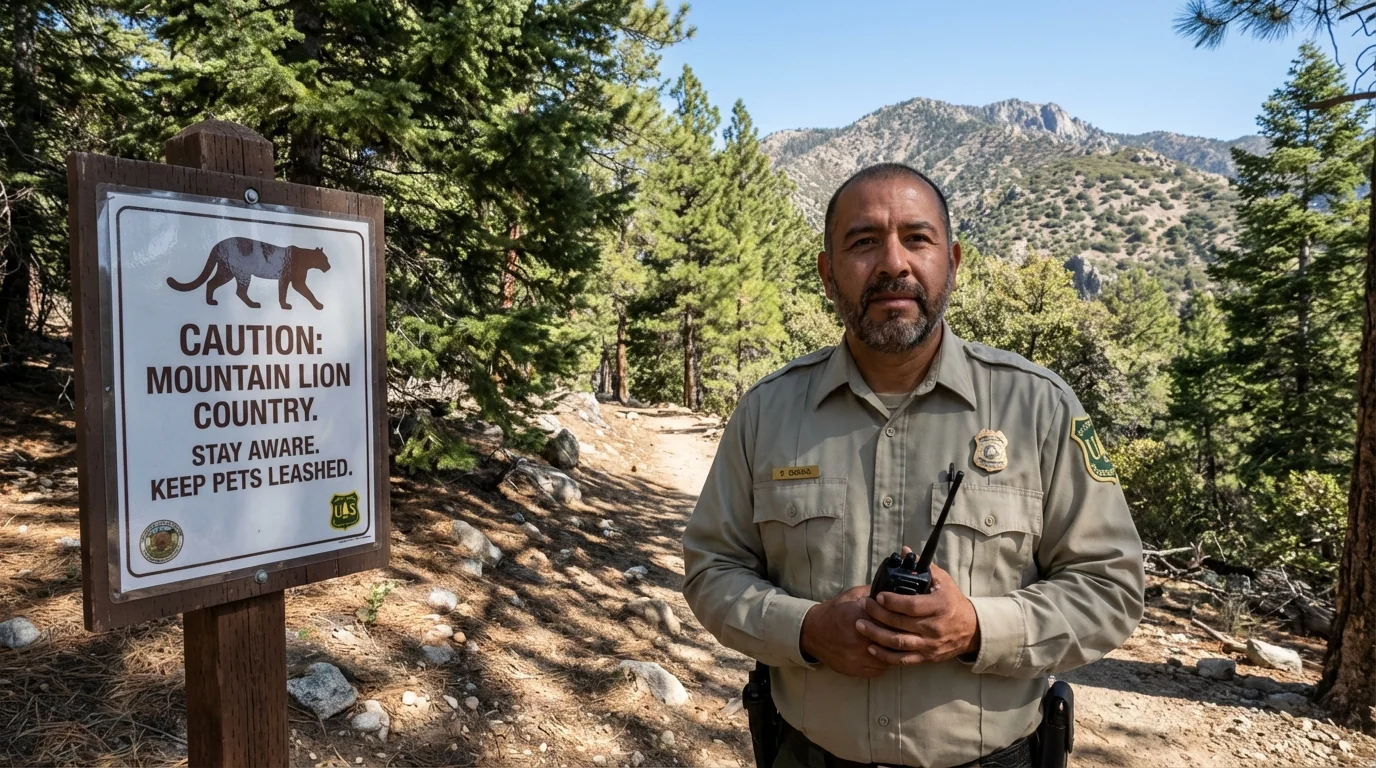
Officials have not confirmed the cause of death. Obey any closures, give officers space, and report sightings to local wildlife agencies.
Why fatal encounters are so rare
Mountain lions live in Colorado’s foothills, canyons, and forests. They hunt deer and other wildlife, mostly at dawn and dusk. They avoid people when they can. Most sightings end with a cat slipping away, unseen the next minute.
Attacks are unusual because lions are cautious and secretive. They conserve energy, choose easy prey, and do not want a fight. Human activity on busy trails tends to keep them moving. When things go wrong, it is often a mix of habitat overlap, surprise, pets off leash, or a cat defending kittens. Even then, outcomes are usually non fatal. A fatal event is extraordinary, and it will be studied closely.
Smart mountain time, starting now
You do not have to cancel your hike. You do need to tune up your habits. Think visibility, noise, and control.
If you encounter a mountain lion
- Stop, stand tall, and face the animal. Pick up small children.
- Make yourself big. Raise your arms, open your jacket, speak firmly.
- Do not run. Back away slowly, keep eye contact, and give the cat an exit.
- If attacked, fight back with anything, rocks, sticks, poles, fists. Aim for the face.
Here is what to carry on high risk edges of the day, dawn and dusk, and on quieter trails:
- A loud whistle or air horn
- A bright headlamp, even in daylight
- Trekking poles for balance and defense
- A small can of bear spray and a plan to use it
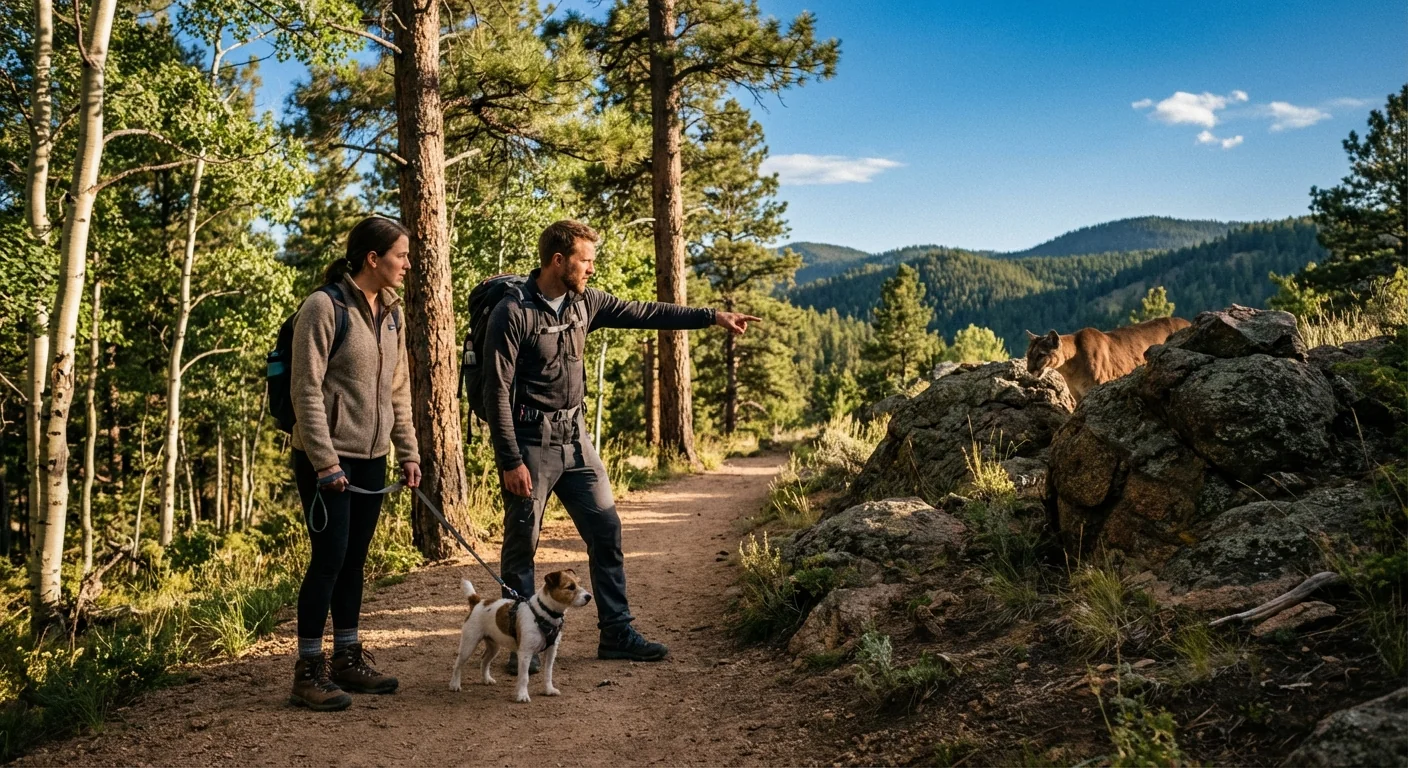
Leash dogs at all times, six feet or shorter. Keep kids close. Hike in pairs or groups, and make conversation so wildlife hears you first.
Planning your next outing
Check for trail notices before you go. Choose open, well used routes while officials sort the facts. Stick to established paths, where sight lines are better and help is closer. Avoid running alone at dawn or dusk in lion country. If you love sunrise summits, bring a friend, lights, and a whistle. If you prefer solo time, aim for mid morning or midday, when cats are least active.
Mind the basics that keep you sharp. Keep earbuds out so you can hear brush movement and warnings from others. Scan ahead, especially around bends, boulders, and drainages. If you see fresh tracks or scat, slow down, make noise, and consider turning back. Report clear sightings to park staff when you get to the trailhead.
The balance we live with
Colorado’s wild places offer deep joy and challenge. Encounters like this remind us that they are truly wild. A suspected fatal attack is tragic, and it is also rare. Most days, the mountains give us peace, sweat, and a better mood on the drive home.
Honor that gift with calm, prepared choices. Keep your group tight. Keep pets leashed. Make noise when the light is low. Carry simple tools that buy you time. The outdoors still welcomes you today, and tomorrow, with respect and readiness as your partners.