A loud, clear message is ringing out today. World Cancer Day 2026 is not about fear. It is about action. The spotlight is on what saves lives, earlier detection, smarter care, and daily choices that lower risk. I am seeing a shift in tone, away from myths and toward practical steps people can use right now.
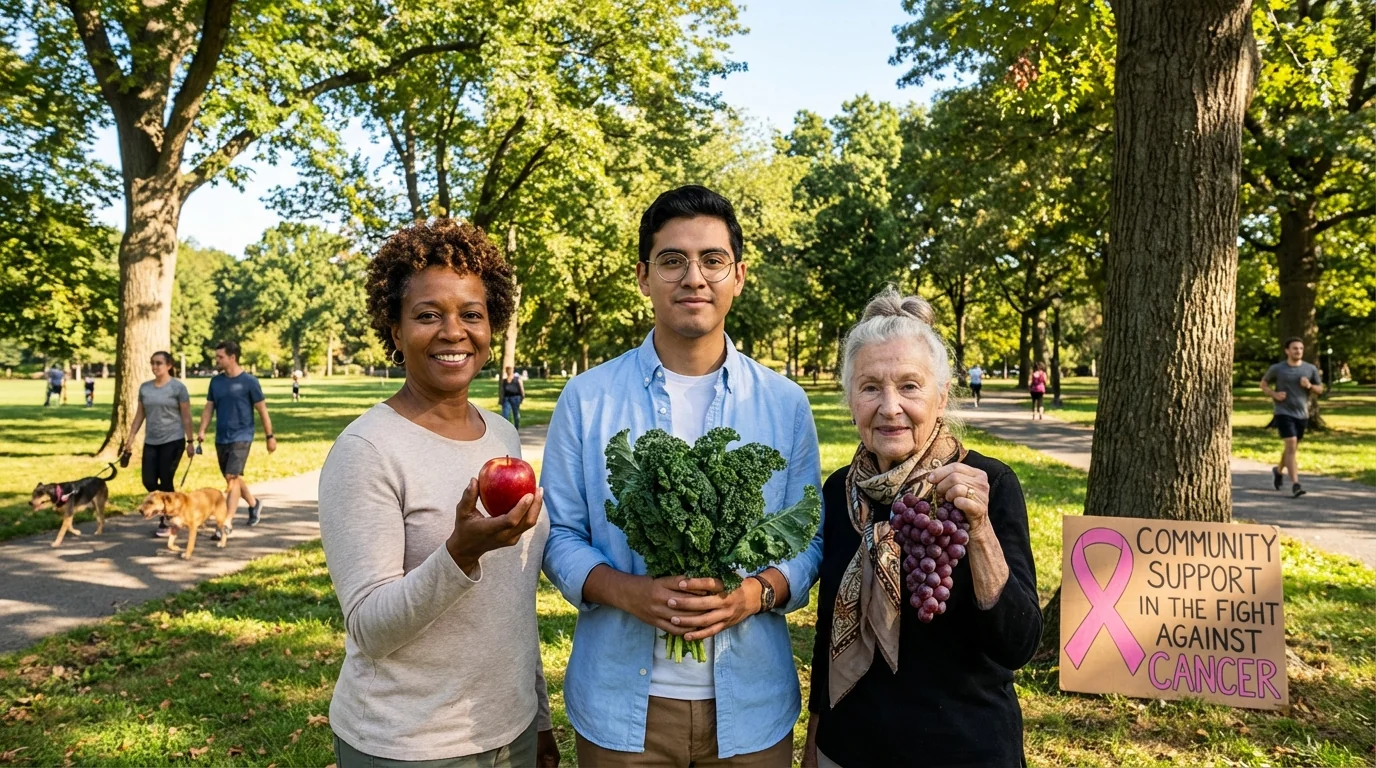
What Today Means For Your Health
World Cancer Day arrives each year on February 4. It is a global push to raise awareness, improve prevention, and make care fair for everyone. This year’s focus is firm. Cancer is not a single story, and it is not a fixed fate. Survival is rising in many cancers. Earlier diagnosis and better treatments are key drivers.
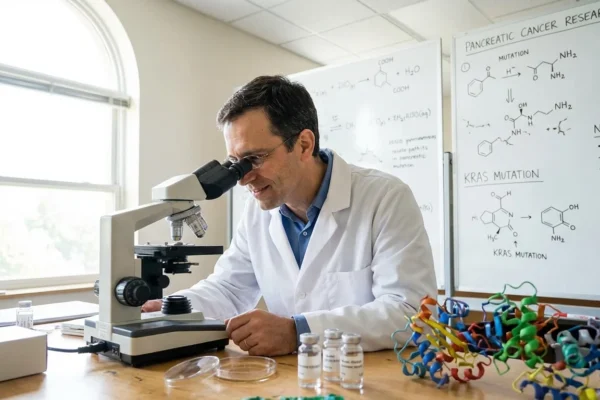
Personalized oncology is also changing care. Doctors now use tumor genetics to guide targeted drugs and immunotherapy. That means more precise treatment plans and fewer blunt tools. But high tech is only part of the picture. Simple, proven steps still matter most for prevention and early detection.
Myths, Meet Facts
One stubborn myth says cancer equals death. That is outdated. Many cancers are curable when found early. Others can be managed for years, like a chronic condition. Screenings find cancers before they spread. Vaccines can stop some cancers before they start.
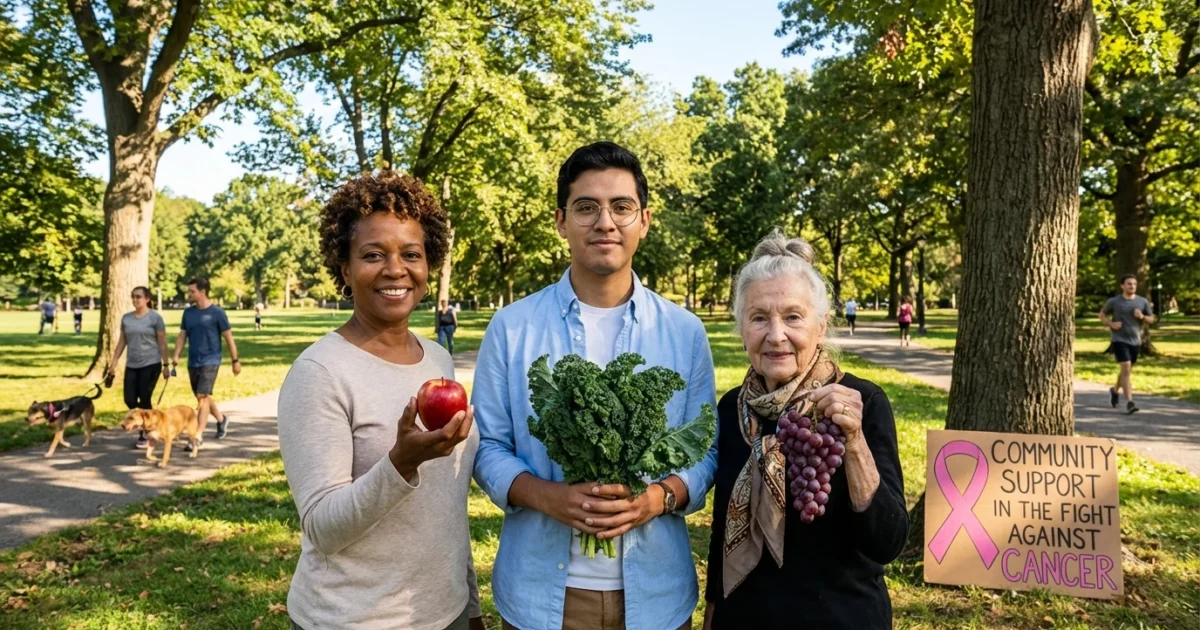
Another myth promises miracle foods or quick fixes. There is no single food that prevents or cures cancer. What matters is the pattern over time. Plant forward eating, limited alcohol, and less processed meat support long term health. Small changes, kept steady, beat flashy claims every time.
Beware of miracle cures. If it sounds too good to be true, it probably is. Ask a trusted clinician before you try it.
Food, Movement, Sun, and Sleep
Nutrition is in the spotlight today, and for good reason. Antioxidant rich foods, like berries, leafy greens, beans, nuts, and whole grains, support cell health. Fiber helps your gut and lowers colorectal cancer risk. Healthy fats, like olive oil and omega 3 rich fish, support heart and brain health during and after treatment.
What to Put on Your Plate
Eat a rainbow. Dark greens, reds, oranges, and blues bring different protective compounds. Build meals around plants. Add lean proteins, like fish, tofu, beans, and chicken. Keep processed meats, like bacon and deli meat, as rare treats. Limit alcohol. If you drink, keep it light, or skip it.
Movement also matters. Aim for at least 150 minutes of moderate activity each week. That can be brisk walks, cycling, or dance. Strength training helps preserve muscle, especially during treatment. Sun safety counts too. Use broad spectrum sunscreen, wear a hat, and avoid midday sun.
Sleep and stress care are not extras. Good sleep supports immune function. Simple stress tools, like breathing, journaling, or short walks, ease the mind. These habits help survivors rebuild and help everyone lower risk.

Cook once, eat twice. Roast a tray of veggies and salmon tonight, then toss the leftovers with greens and beans for lunch tomorrow. 🥗
Screenings and Vaccines Save Lives
If there is one action to take today, schedule the screening you are due for. Screening finds cancer early, when it is most treatable. Do not wait for symptoms.
- Breast cancer screening for women, starting at the age recommended by your country’s guidelines
- Cervical cancer screening, plus HPV vaccination for eligible children, teens, and adults
- Colorectal cancer screening, stool tests or colonoscopy, starting at the advised age
- Lung cancer screening for people at high risk, such as long time heavy smokers
HPV vaccination prevents most cervical cancers and many head and neck cancers. Talk to your clinician about eligibility and timing. If you smoke, quitting is the single best step you can take. Nicotine replacement and counseling double your odds of success.
Make It Real Today
Pick one step and do it now. Put a screening on your calendar. Ask your pharmacist about HPV or hepatitis B vaccines. Replace one processed meal this week with a cooked at home option. Take a 20 minute walk after dinner. Small steps add up fast.
Survivorship Is Health, Not Just Survival
More people are living beyond cancer than ever before. Survivorship brings new needs. Fatigue, brain fog, bone health, fertility, and mental health all deserve care. Ask for a survivorship plan when you finish treatment. It should map out follow up visits, late effect checks, and healthy living goals.
Families and caregivers need support too. Share the load, even with small tasks. A meal drop off, a ride to an appointment, or a weekly check in can change the day for someone in treatment.
Today’s message is simple and strong. Cancer is not an untouchable fate. Prevention works. Screening works. Modern treatments save lives. Use World Cancer Day 2026 as your moment to move. Book the test. Get the shot. Fill your plate with color. Step outside for a walk. Then do it again tomorrow. Your future self will thank you. 🗓️