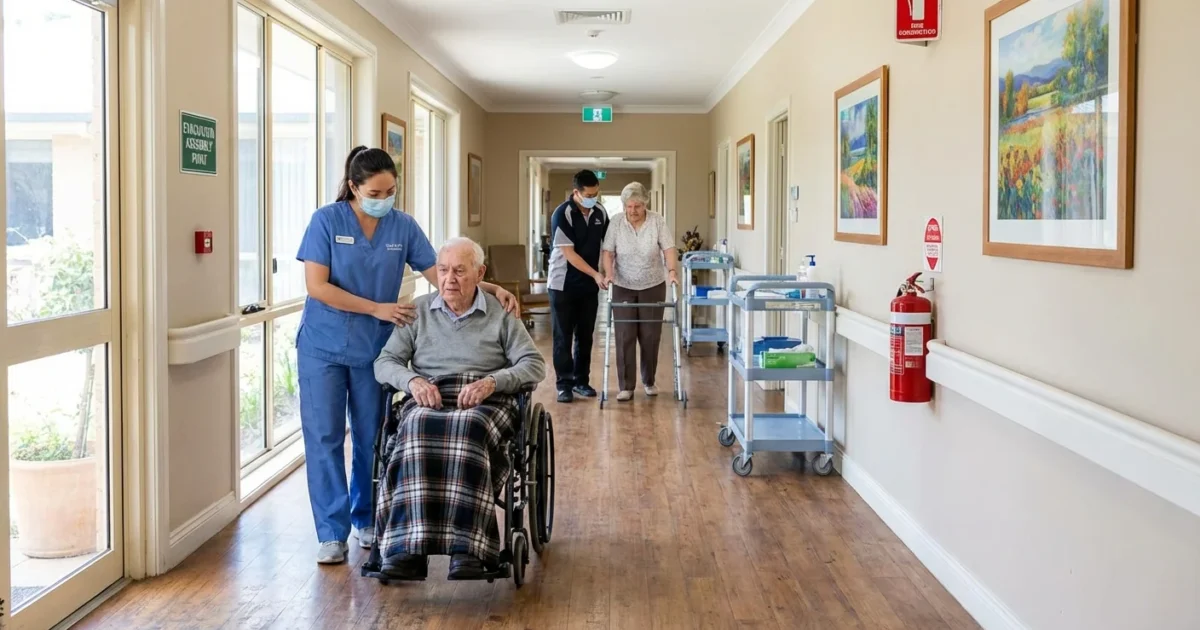
An explosion tore through Silver Lake Nursing Home in Bristol, Bucks County, triggering a fast two-alarm fire and a massive medical response. Multiple injuries are reported, and there are concerns that some people may be trapped. Details are still coming in. Health and safety are the immediate focus as crews work to evacuate and triage older adults in urgent need. 🚑
What is happening right now
The blaze followed a sudden blast inside the facility. Firefighters and EMS teams moved quickly to cut power, ventilate smoke, and guide residents to safer areas. Stretchers, oxygen tanks, and trauma kits are in active use. A reunification point is being set up away from the building to sort residents and connect them with families.
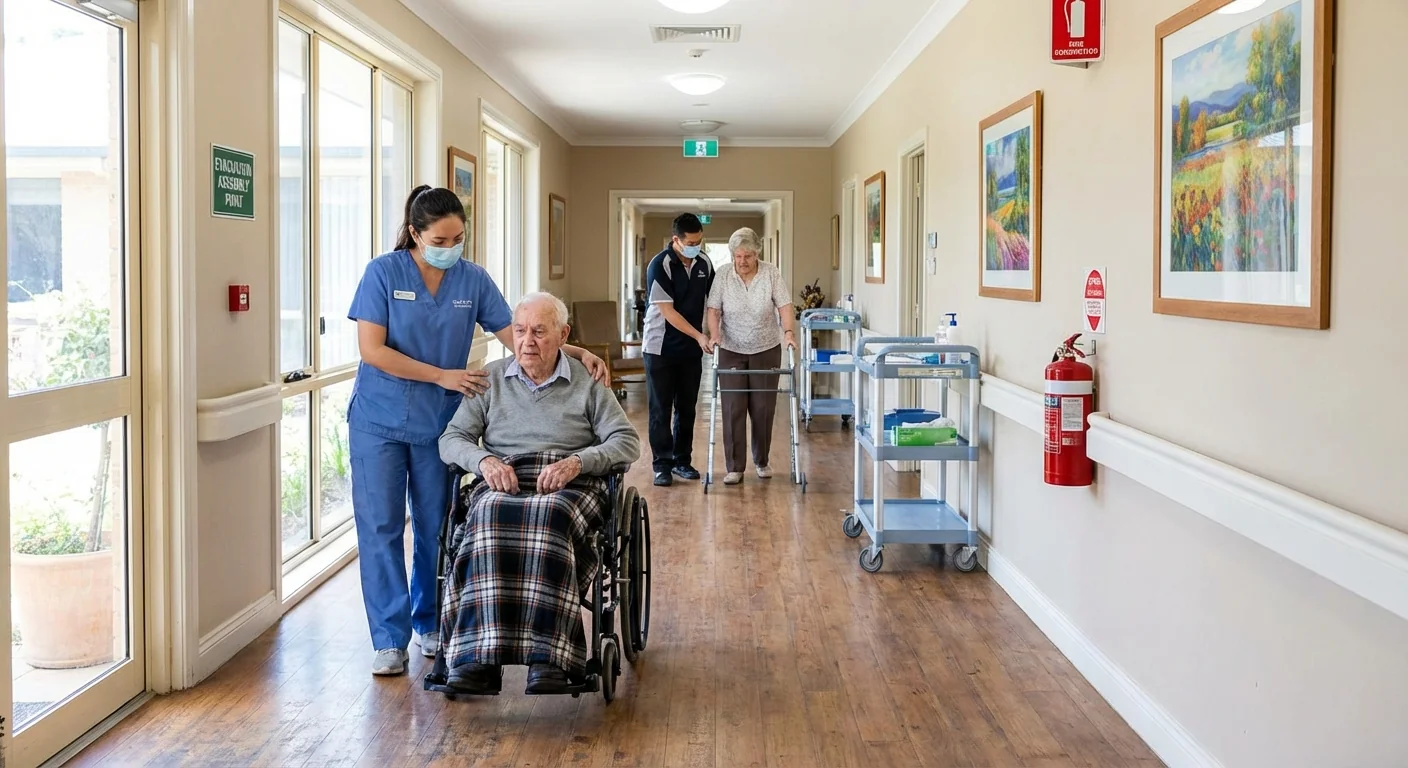
Older adults face higher risk in a fire. Many use oxygen, mobility aids, or have dementia. Evacuation takes time and careful hands. Expect a rolling transfer of residents to nearby hospitals and partner facilities. That does not mean every person is critically injured. It means safety checks come first, and they take time.
The health impacts to watch
Smoke inhalation is the top threat in any structure fire. It can irritate the airways, reduce oxygen in the blood, and strain the heart. This is especially dangerous for people with COPD, asthma, heart disease, or those on oxygen. Burns can be hidden under clothing. Heat stress and dehydration are also common during long evacuations.
Urgent symptoms after smoke exposure include trouble breathing, chest pain, confusion, a hoarse voice, heavy coughing, soot around the nose or mouth, and fainting. Call 911 or seek emergency care if these appear.
In older adults, even mild smoke exposure can trigger delayed breathing problems over 24 to 48 hours. Watch for new wheezing, fatigue, headache, dizziness, or a wet cough. People with dementia may not report symptoms, so caregivers should observe closely. Oxygen users should have tanks checked and replaced if there is any sign of heat or smoke damage. If a CPAP or oxygen device smells smoky or looks sooty, do not use it.
Guidance for families right now
If you have a loved one at Silver Lake Nursing Home, take a breath. The scene is active, and responders are moving residents out in phases. Hospitals will receive patients based on medical need. You may not get an immediate call. That is normal in the first hours of a mass evacuation.
Do not rush to the facility. Crowding the driveway can block ambulances and slow care. Follow official instructions for reunification and patient updates.
Bring key information to any reunification site or hospital. That helps medical teams fast-track care.
- A current list of medications and doses
- Allergies, medical conditions, and typical baseline mental status
- Copies or photos of advance directives or DNR forms
- A phone charger and a written contact list
If your loved one uses hearing aids, glasses, dentures, or mobility aids, try to bring labeled spares. Hospitals may not have replacements. Pack a warm layer and comfort items to reduce stress.
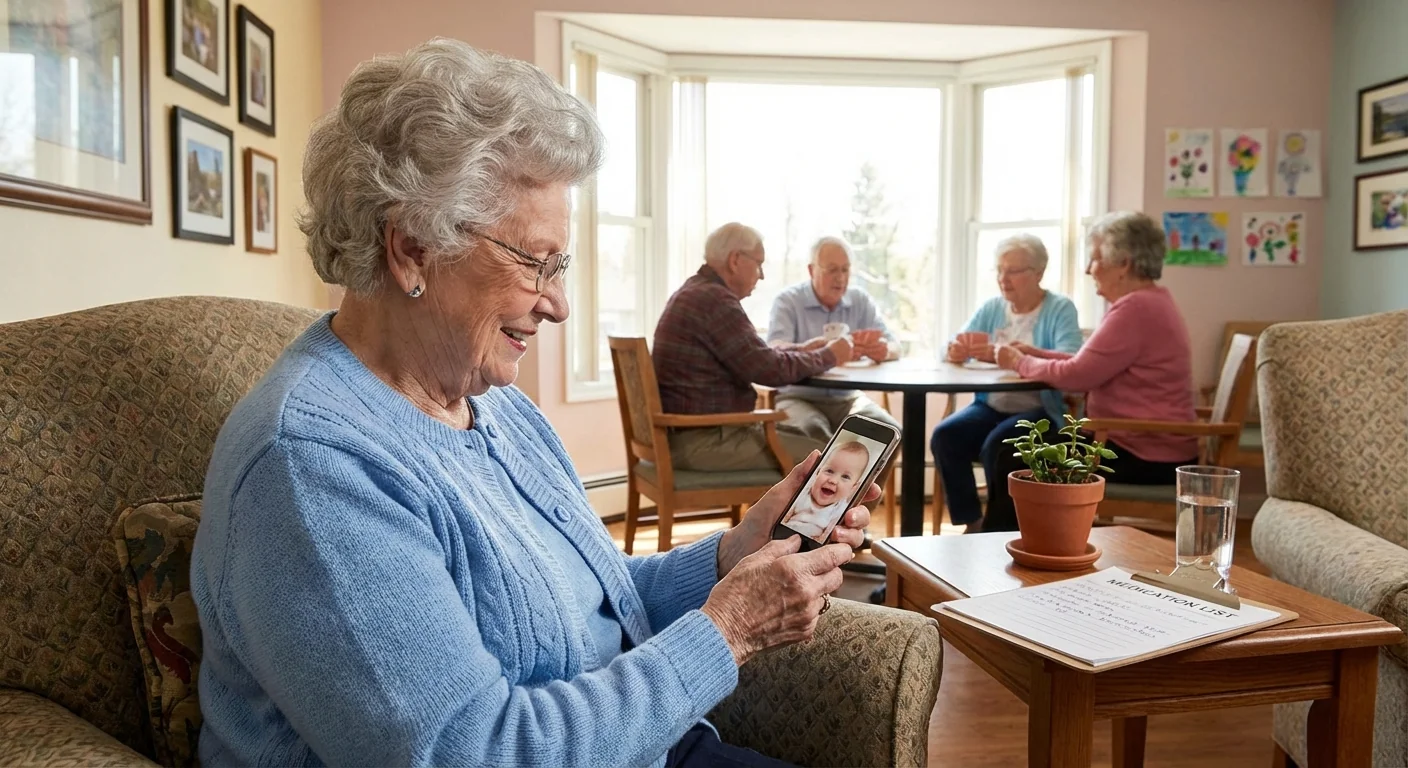
Take a clear photo of your loved one, front and side, plus their medication list. Save it on your phone. It speeds reunification and safe prescribing.
What investigators will review
The cause is not yet known. In facilities that house older adults, investigators typically examine gas lines, kitchens, laundry equipment, electrical panels, and any oxygen-rich areas. They review sprinkler performance, alarm function, door closures, and evacuation routes. Federal rules require nursing homes to have an all hazards emergency plan, run drills, maintain sprinklers, and manage oxygen safely. Today’s response will become part of that record.
For residents, the medical review is just as thorough. Expect routine chest X rays for smoke exposure, pulse oximetry checks, IV fluids if needed, and careful medication reconciliation. Staff will work to prevent delirium by keeping people warm, hydrated, and oriented. Behavioral health support is part of good care after a sudden crisis.
How the community can help
Avoid self deploying to the scene. Give crews space to work. Support will likely be needed in the next 24 hours for relocated residents. Local hospitals and emergency management may request donations of toiletries, new clothing, blankets, and phone chargers. If you live nearby, reduce outdoor smoke exposure by closing windows, running air purifiers, and checking on neighbors with breathing problems.
If you are feeling anxious, that is normal. Stress after a loud, sudden event can cause chest tightness, headache, poor sleep, and irritability. Limit repeated news clips, hydrate, and focus on simple actions that help others.
The bottom line
A sudden explosion and fire at Silver Lake Nursing Home has triggered a major rescue of vulnerable people. Health teams are treating smoke exposure, burns, and stress, while families wait for confirmed updates. Patience saves lives in the first hours. Share medication lists, follow reunification guidance, and watch for breathing symptoms. I will continue to report developments as officials release verified details. Your calm, steady help matters right now.