Seychelles’ tourism boom reshapes health and wellness on the islands and for travelers
I can confirm a surge in visitors to Seychelles this year, and it is changing how the country thinks about health. By the end of Week 47, the islands had already welcomed 354,034 arrivals. That is about a 12 percent jump from last year, with broad gains from Europe, Africa, Asia, Oceania, and the Americas. At the same time, inflation remains near zero, and foreign reserves are strong. This is good news for public health, for workers, and for anyone planning a restorative trip.
What is new and why it matters
Seychelles is pulling in more visitors from Germany, France, Russia, Italy, and the UK. The growth is not limited to one region. Europe is up 13 percent. Africa is up 22 percent. Asia is up 23 percent. Oceania is up 94 percent. The Americas are up 5 percent. The islands have also earned global praise for their one island, one resort approach. That limits crowds and protects reefs, beaches, and wildlife.
The economic story supports health. Inflation is around 0.3 percent through October. The current account gap has narrowed toward 5 percent of GDP. Foreign reserves are above 870 million dollars. Earlier this year, climate and reform funding helped stabilize public finances. A steady economy keeps clinics stocked, supports water systems, and protects community programs.
Wellness upside, with smart safeguards
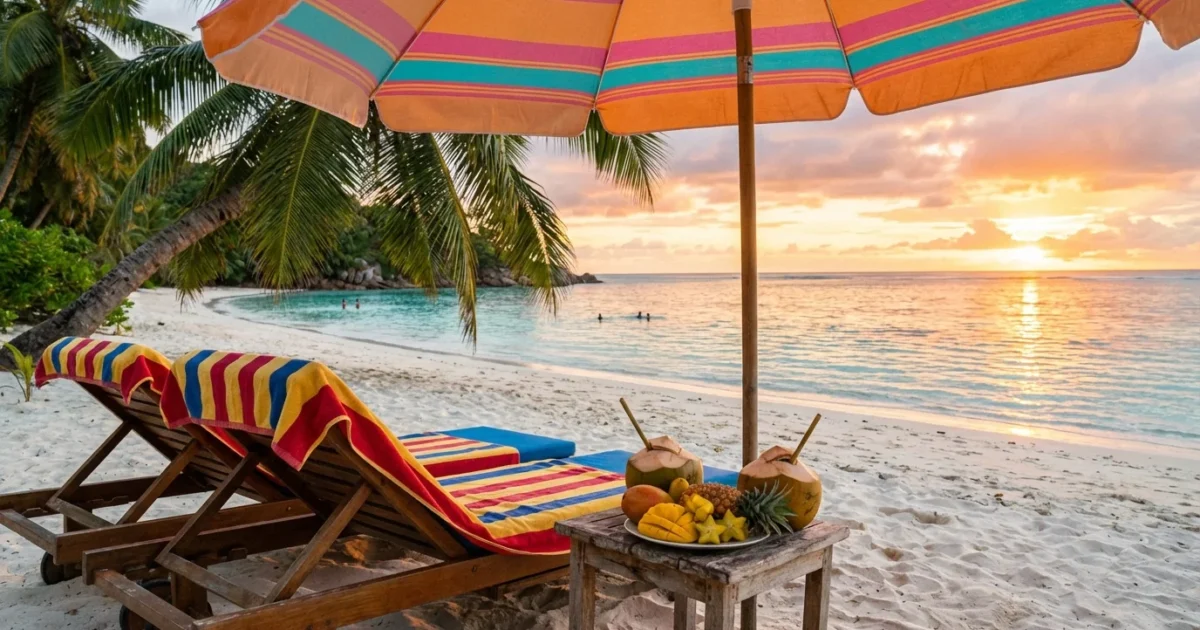
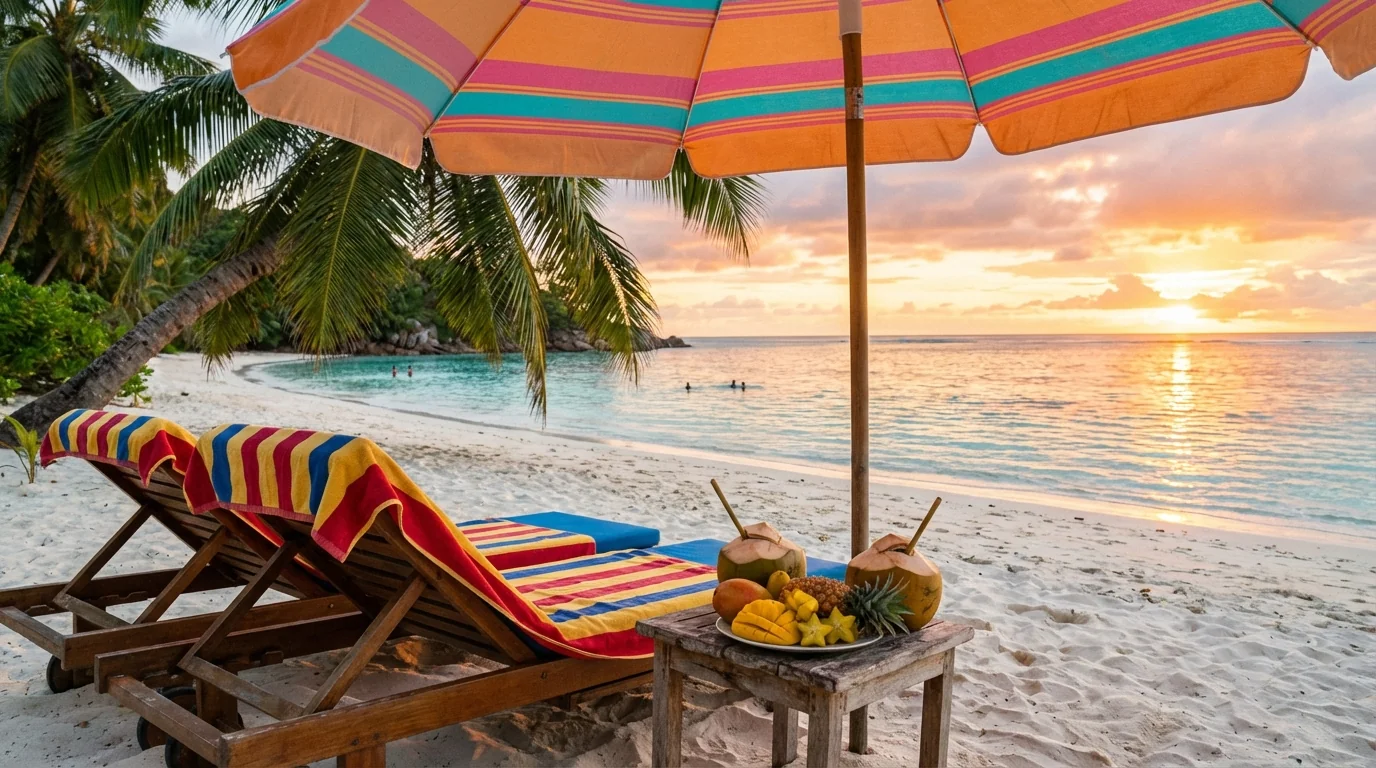
Seychelles sells calm, clean air, and blue water. That is not just a vibe. It has real health value. Time in nature reduces stress hormones. Saltwater and sun, used wisely, support mood and vitamin D. Low-density resorts reduce noise and crowding. That lowers spread of respiratory bugs and improves sleep.
This boom also brings pressure. More flights mean more demand on waste systems. Warm, wet months can raise mosquito activity. Remote outer islands are stunning, but medical care can be far. Wellness here thrives when travelers and hosts work together on safety.
Choose reef safe, zinc based sunscreen. It protects your skin and coral. Reapply every two hours, and after swimming.
Travel health playbook
Heat and UV
The sun near the equator is intense. Plan early morning swims and late afternoon hikes. Wear a hat, UV shirt, and polarized sunglasses. Drink often. If your urine is dark, you are behind on fluids.
Mosquitoes and bites
There is no malaria in Seychelles. Mosquito borne illnesses like dengue and chikungunya can occur in warm seasons. Use 20 to 30 percent DEET or picaridin on skin. Treat clothing with permethrin. Sleep in screened rooms or under a net on remote islands.
Ocean safety
Rip currents can form fast. Ask lifeguards or resort staff about conditions before you swim. Watch for coral cuts and sea urchins. Rinse wounds with clean water. Seek medical care if redness spreads or fever starts.
Food and water
Tap water quality varies by island. Stick to treated or bottled water if you have a sensitive stomach. Enjoy fresh fish and fruit, but keep hot foods hot and cold foods cold.
- Pack a travel health kit with:
- Oral rehydration salts
- Reef safe SPF 30 or higher
- DEET or picaridin repellent
- Basic bandages and antiseptic
Outer islands can be a short flight or long boat ride from a clinic. Buy medical evacuation coverage before you go.
How the boom can boost community wellbeing
Jobs in hospitality and conservation support families and reduce stress. With low inflation, wages stretch further for food and medicine. Strong reserves make it easier to fund clinics, mental health services, and substance use programs. The one island, one resort policy reduces strain on water and waste systems. That protects public health.
There are risks to watch. Heat stress for outdoor workers can rise with longer high season days. More traffic can increase injuries. Public health teams are scaling mosquito control and beach safety. Hotels are training staff on first aid and hydration.
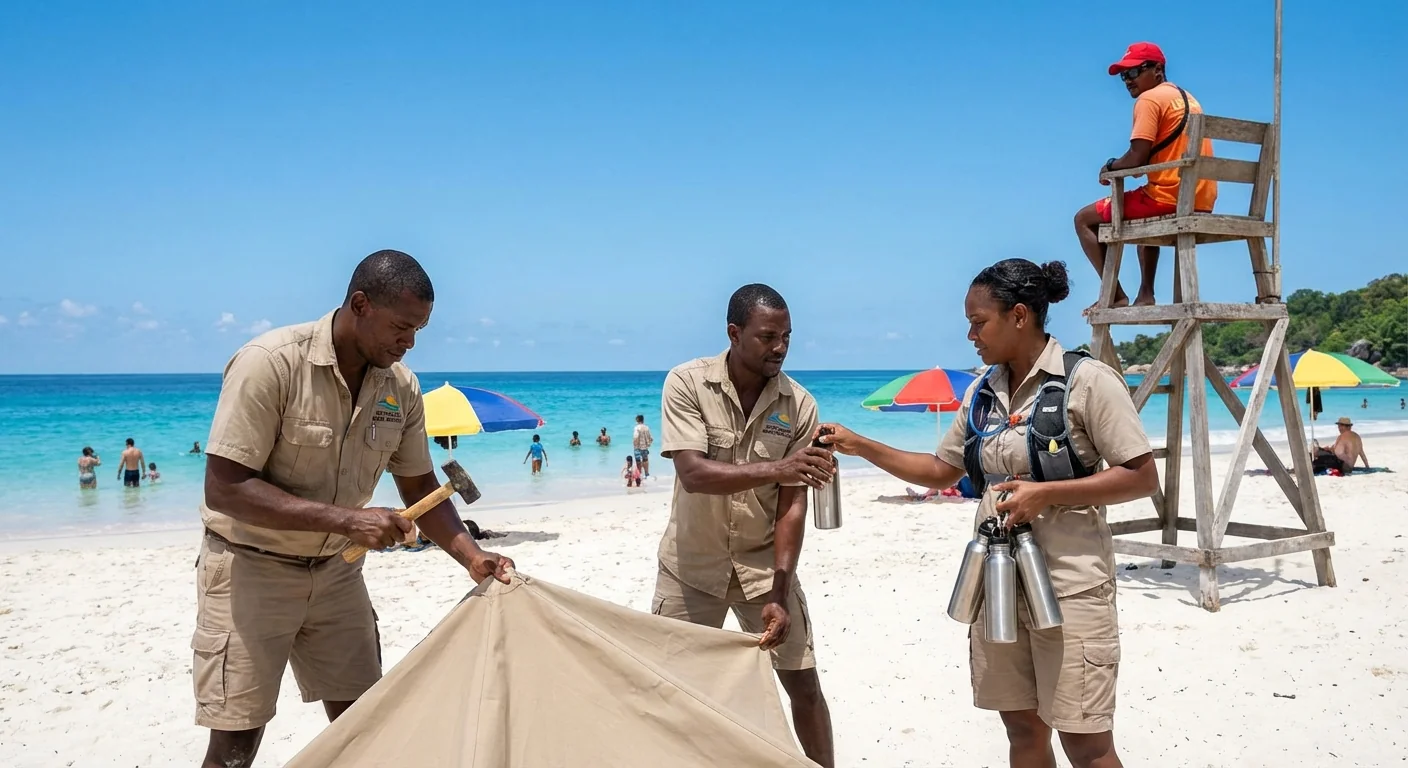
Support the islands you visit. Refill at water stations, cut single use plastics, and follow marked trails. Your choices protect reefs and keep beaches clean for everyone.
What to watch next
Forward bookings remain strong into the year end. That means steady revenue for health and environmental programs. I am tracking dengue alerts during rainy spells, beach safety briefings as surf picks up, and the rollout of new well water monitoring on smaller islands. If these systems hold, Seychelles could set a model for healthy, low impact island travel.
Conclusion
Seychelles is proving that a tourism surge can align with health and nature. Calm seas, careful planning, and smart public policy are working together. If visitors travel well and operators keep standards high, the islands can lift both wellbeing and the economy, one healthy trip at a time.