
BREAKING: The CDC’s childhood vaccine schedule is under fire today. A high profile proposal to scale back shots for kids has set off urgent alarms from public health leaders. I am cutting through the noise. Here is what would actually need to happen, what the science says, and what this means for your family right now.
What changed today
Calls to reduce the number of vaccines for children are back in the spotlight. The idea sounds simple. Fewer shots, fewer worries. But the reality is not simple. The CDC’s schedule is built through long, public, science heavy meetings. It is not set by politics, or by a single person.
The CDC does not force shots on anyone. Its recommendations help guide doctors and parents. States decide which vaccines are needed for school. That is where rules live. When national guidance changes, state rules may or may not follow.
CDC recommendations are not mandates. States set school entry requirements.
Vaccines have slashed diseases that once filled hospitals. Measles, polio, Hib, and rotavirus all fell after vaccines rolled out. When coverage drops, those diseases return. We have seen this with measles outbreaks in recent years.

How the CDC schedule gets made
The schedule comes from the Advisory Committee on Immunization Practices, known as ACIP. This is a panel of outside experts in pediatrics, infectious disease, and public health. They review data on safety, effectiveness, and need. They hold open meetings. They vote in public.
Any attempt to scale back the schedule would have to go through this process. That includes formal reviews and a public vote. The CDC director would then consider the vote and issue guidance. States would decide what to do at the school level.
- A proposal is brought to ACIP for review.
- Evidence on safety and effectiveness is presented.
- The public can comment at open meetings.
- ACIP votes on any change.
- The CDC director reviews and issues final guidance.
Vaccine safety is not a one time check. It is monitored constantly. Systems like VAERS and the Vaccine Safety Datalink look for rare side effects and patterns over time. If something changes, the schedule can change. That is how science should work.
ACIP’s job is to weigh benefits and risks in the open, with data on the table.
Why scaling back could backfire
Let’s use rotavirus as a case study. Before the vaccine, rotavirus caused severe diarrhea in babies and toddlers. Many needed IV fluids. Some ended up in the ICU. After the vaccine rolled out, hospitalizations fell sharply. Pediatric emergency rooms felt the relief.
If vaccine uptake slips, rotavirus will find a way back in. That could strain pediatric care during winter months when hospitals are already busy. Parents would feel the impact fast. More vomiting. More dehydration. More time off work. More beds filled with sick kids.
This is not just about one virus. Many childhood vaccines protect against bacteria and viruses that spread easily. Lower coverage gives these germs more room to move. That means more outbreaks, more long term problems, and more kids at risk who cannot be vaccinated due to medical reasons.
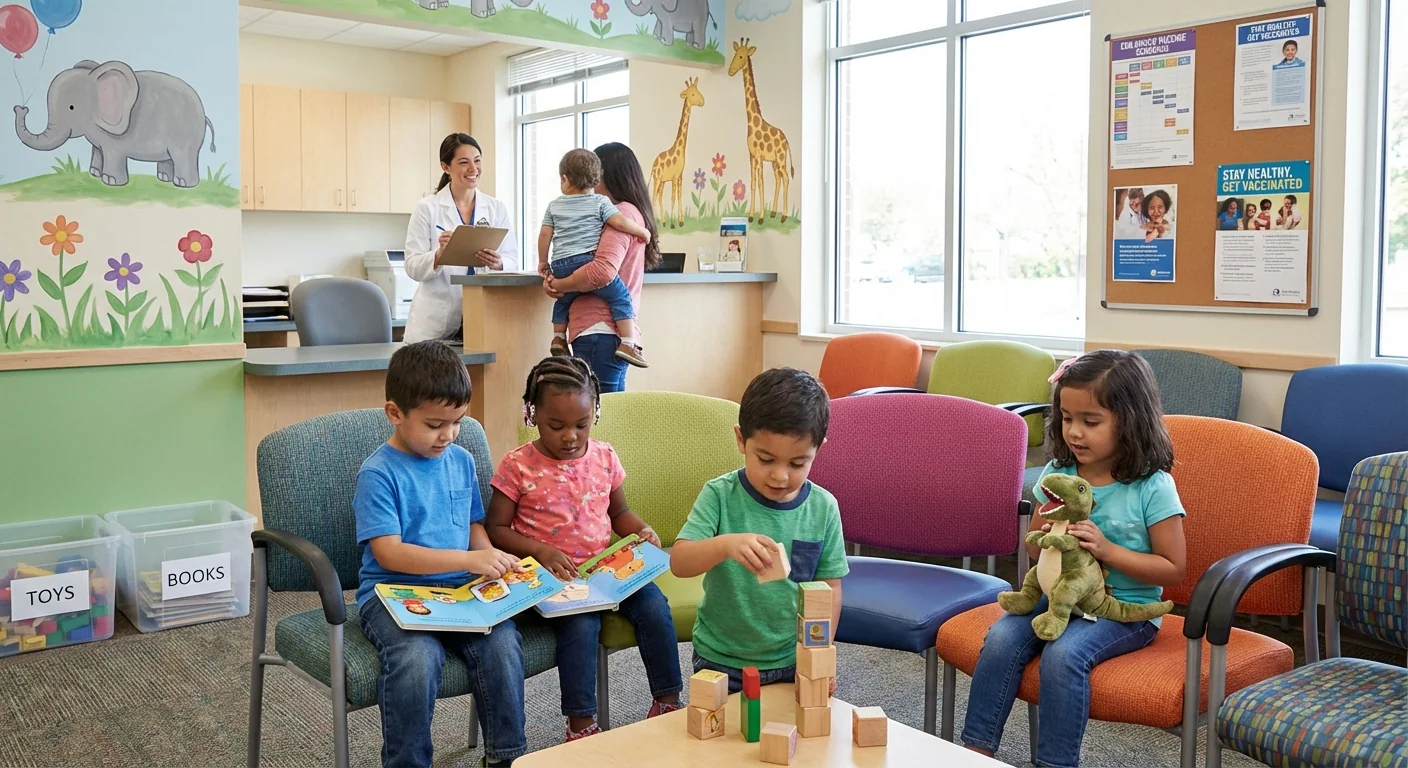
Cutting recommended doses without strong evidence could raise outbreak risk and stress pediatric care.
What parents can do right now
Start with your child’s immunization card. Check what is due and what is missing. If you are behind, your pediatrician can use a catch up schedule. That plan is designed to get kids protected without extra shots.
- Book a well visit to review the schedule with your doctor.
- Ask about rotavirus timing. The window closes after early infancy.
- Keep a digital copy of vaccine records on your phone.
- If your child is sick with stomach bugs, push fluids and watch for dehydration.
Handwashing still matters. So does staying home when a child is sick. These steps reduce spread even as vaccines do the heavy lifting. If you have questions about a vaccine, bring them to your clinic. A short, honest talk can clear up a lot.
Bring your questions. Ask about benefits, risks, and timing. A trusted clinician is your best guide. 🛡️
The bottom line
Changing the CDC childhood schedule would require evidence, public debate, and a formal vote. It cannot happen overnight. The best data we have shows vaccines protect kids, families, and schools. Pulling back without strong science invites old enemies back in. Rotavirus is the warning shot. Measles and other threats are waiting in line.
For now, keep your child’s vaccines on time. Protect your household. And watch this space. I will continue to report what changes, what does not, and what it means for your child’s health.