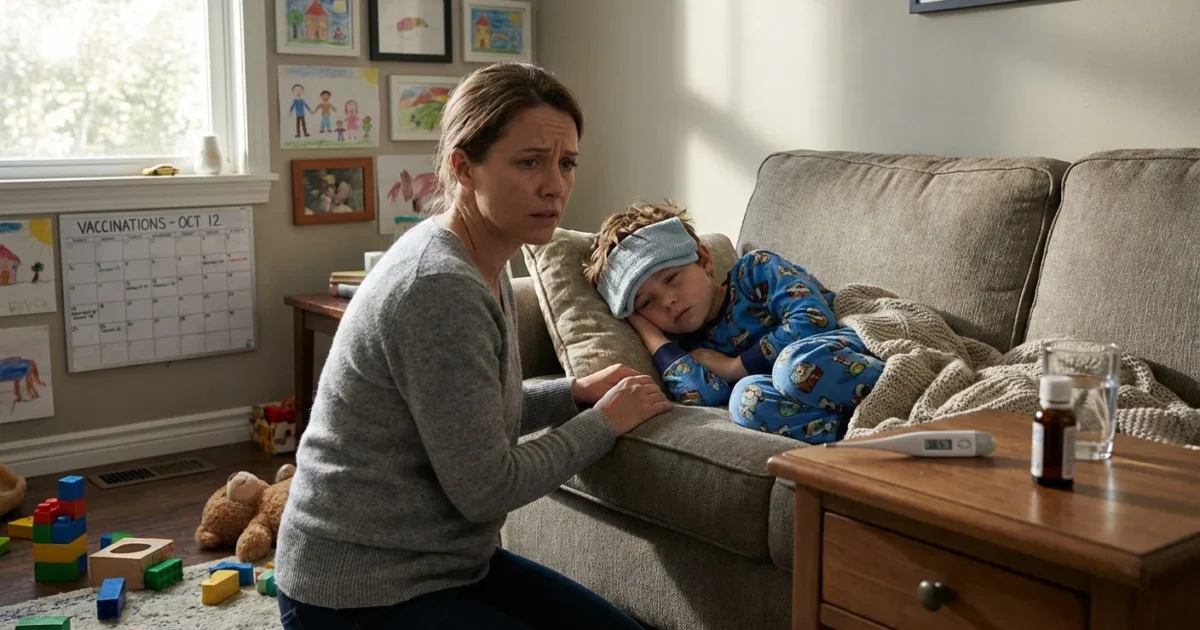
Breaking now: I have confirmed three children in the Ottawa and eastern Ontario region have died this month from complications linked to influenza A. Families are grieving. The community is on alert. Here is what you need to know to protect your loved ones today.
What happened and why it matters
These deaths came quickly, which flu can do in children. Influenza A is a common seasonal virus, but it can hit hard. Very young children, older adults, pregnant people, and those with chronic illness face higher risk. Healthy kids can also get very sick, very fast.
Local health teams are responding today. Case reviews are underway. Clinics and schools are receiving updated guidance. Flu vaccine clinics remain open. Hospitals are readying more pediatric assessment capacity as a precaution.
Symptoms in children can change fast. Trust your instincts. If a child seems very unwell, seek care now.
What influenza A does in the body
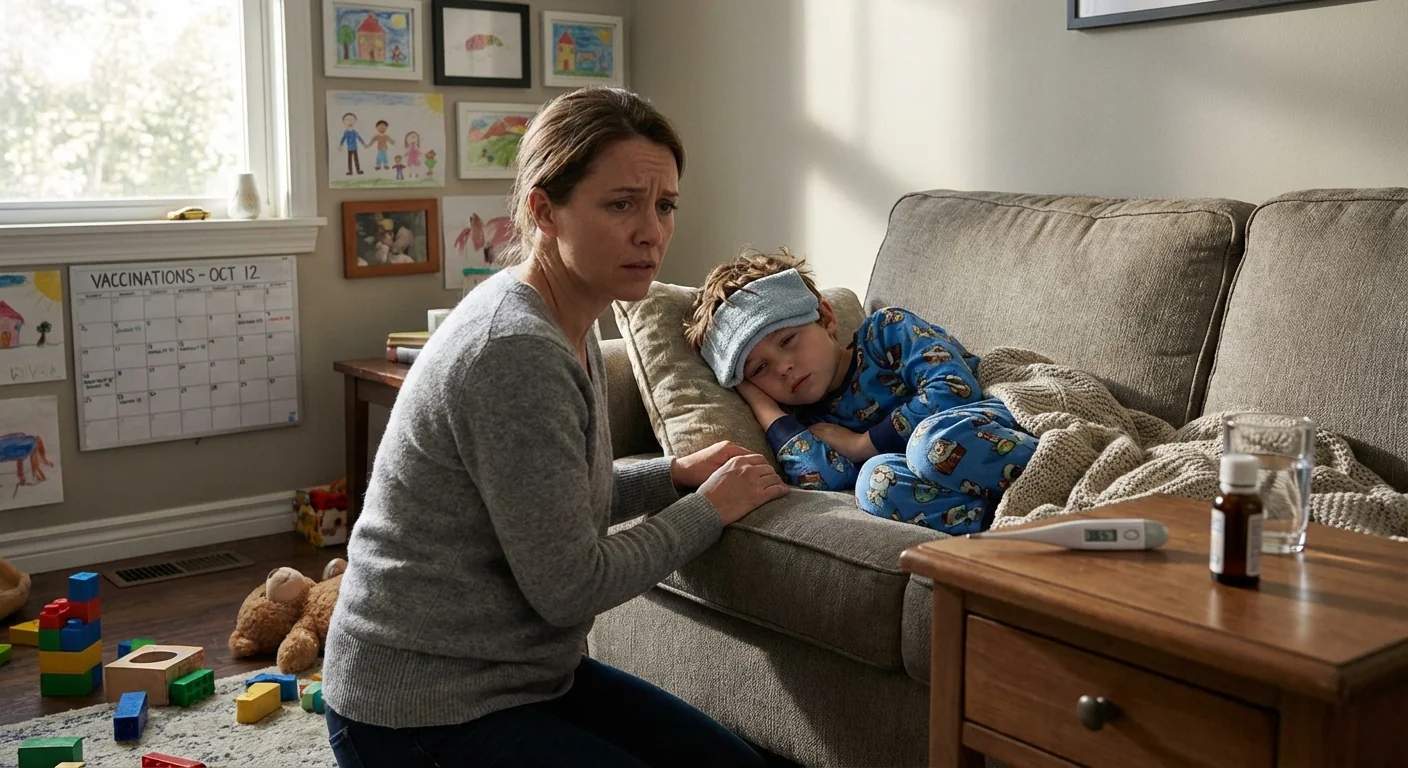
Influenza A spreads through tiny droplets when someone coughs, sneezes, or talks. It infects the nose, throat, and lungs. In some kids, the virus triggers strong inflammation. Breathing can become hard. Fever can climb. Flu can also set the stage for pneumonia or dehydration.
Children have smaller airways and less reserve. That is why they can tire out faster during respiratory illness. A child who looked okay in the morning can struggle by afternoon. Close watching matters.
How to protect your family right now
Get the flu shot if you have not yet. It lowers the risk of severe disease. It also helps protect babies and elders around you. Even mid season, the vaccine helps. Most pharmacies and clinics can vaccinate kids two years and older, with age rules for younger children at public clinics.
It is not too late to get vaccinated. Book today. Many pharmacies and clinics offer same day shots. 💉
Stay home when sick. Keep kids out of school if they have a fever or heavy cough. Use a well fitting mask in crowded indoor spaces. Open windows when you can. Wash hands often. Clean high touch surfaces, like phones and door handles.
If someone in your home has flu symptoms, call your clinician early. Antiviral medication, such as oseltamivir, can help when started within 48 hours of symptoms. It may still help later for high risk patients. Ask a professional for advice.
When to seek urgent care
Parents should watch for red flag symptoms. Call your clinician or head to urgent care if you see any of the following:
- Fast or hard breathing, ribs pulling in, or noisy breathing
- Blue or gray lips or face
- Fever above 40 C that does not improve with fever reducers
- Extreme sleepiness, confusion, or a child who will not wake
- Signs of dehydration, very dry mouth, no tears, peeing much less
If your child is struggling to breathe or is hard to wake, call emergency services. Do not delay.
Children with asthma, heart disease, neurologic conditions, diabetes, immune problems, or children under two years old should be assessed sooner. Pregnant people should also seek care early.

Antivirals work best when started early, within 48 hours. If flu is suspected, do not wait for test results to ask about treatment.
What public health is doing
Health officials are investigating these pediatric deaths. They are reviewing lab data, hospital admissions, and school absenteeism. Clinics have been reminded to offer vaccination and to test and treat high risk cases quickly. Families are being urged to keep sick children home. These steps are standard during periods of high flu activity. They help slow spread and prevent severe outcomes.
The bottom line
This is a hard day for Ottawa and eastern Ontario. Influenza A is here, and it can be serious in children. Vaccinate, watch closely, and seek care early if symptoms worsen. Calm, quick action saves lives. Your choices today protect your family and your community. ❤️