Norovirus is surging early this season. I am seeing sharp rises in cases across the United States, plus a clear shift in the dominant strain. Add a cruise ship outbreak with more than 100 sick on board, and we have a winter gut bug that will not wait for January.
What makes 2025 different
This season started fast. Norovirus test positivity rose from about 7 percent in mid August to roughly 14 percent by mid November. Last December peaked near 25 percent. We are tracking an earlier climb this year, not a late spike.
The strain picture changed too. The GII.17 genotype has taken the lead. It now drives about three quarters of outbreaks, displacing strains that ruled in past years. When a new strain dominates, community immunity can dip. That sets the stage for more people to get sick, and for the season to start sooner.
Norovirus spreads with very small amounts of virus. It moves through tiny droplets from vomit, on hands after bathroom use, and on shared surfaces. It also rides through food prepared by someone who is sick or who just got better. That is why small changes in the virus can have big effects on families and travel plans.
The cruise ship outbreak that raised alarms
I confirmed 101 cases on the AIDAdiva, 95 passengers and 6 crew, during its world cruise. The ship tightened cleaning, isolated sick travelers, and coordinated with vessel sanitation officials. Cruise ships are built to entertain, not to space people out. Shared dining, close cabins, and constant touch points let norovirus thrive. One sick person at a buffet can seed a chain of cases in hours.
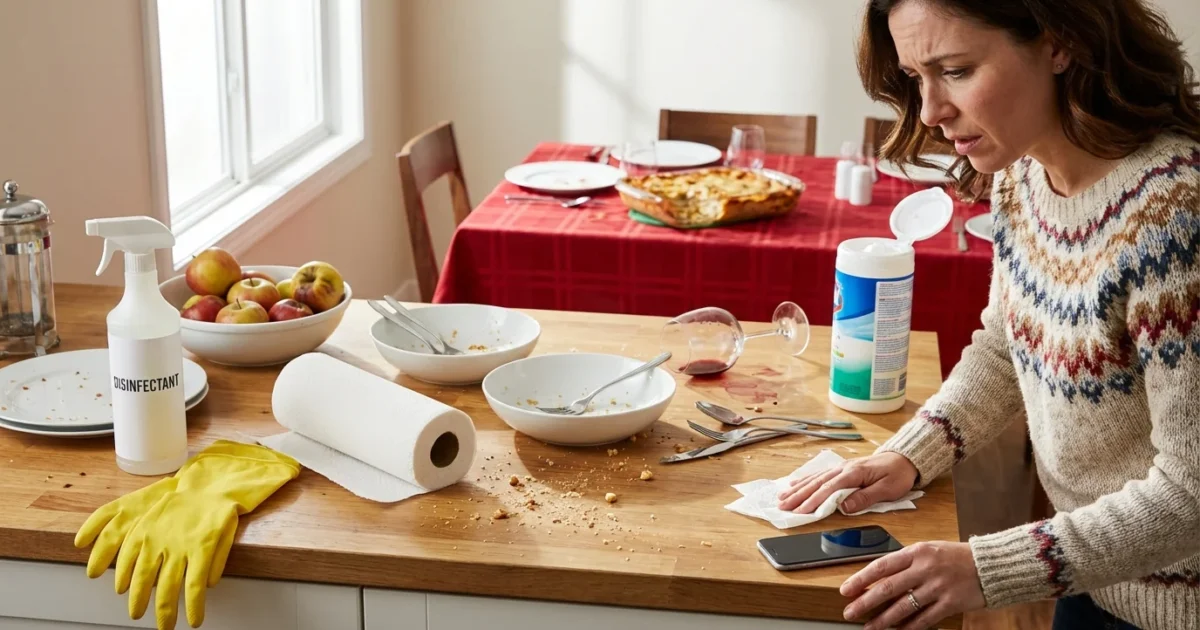
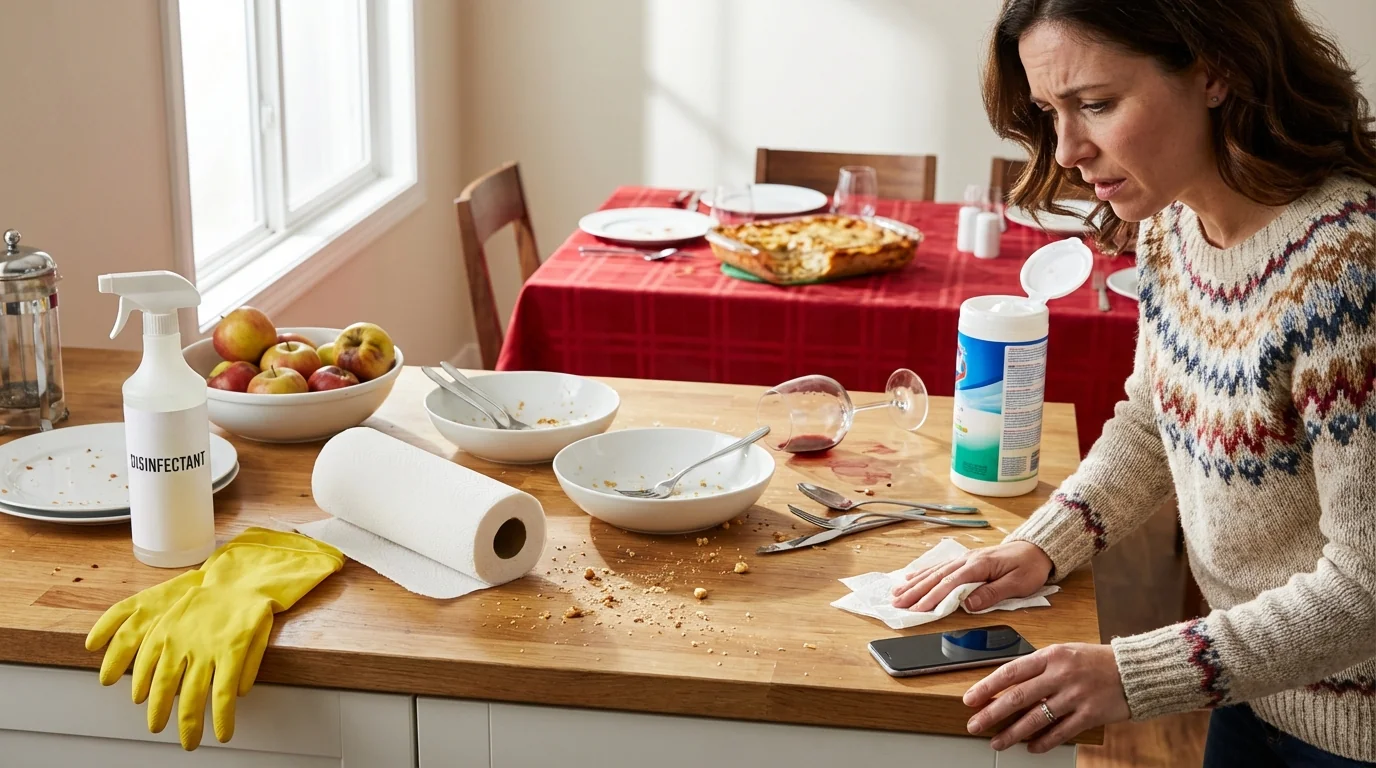
The lesson travels with us on land. Packed holiday tables and indoor gatherings create similar risks. One bad cleanup after a vomit incident can spread virus to counters, handles, and phones.
How to protect your home and your trip
Soap and water beat alcohol gel for this virus. Norovirus has a tough shell that shrugs off many hand rubs. Surfaces need a proven disinfectant, ideally a fresh bleach solution between 1,000 and 5,000 parts per million. Read your product label to mix it correctly. Clean up promptly, and wash hands after every step.
- Wash hands with soap and water for at least 20 seconds, often and well
- Disinfect high touch surfaces daily, use a bleach solution that meets 1,000 to 5,000 ppm
- Keep anyone sick away from the kitchen, and from babies, older adults, and people with weak immune systems
- Stay home while sick and for 48 hours after symptoms end
- Do not share towels, utensils, or phones during an illness window
Handwashing is your best defense. Scrub all parts of your hands for 20 seconds, then rinse well. Dry with a clean towel.
Stay home for 48 hours after symptoms stop. Do not prepare food for others or visit hospitals or nursing homes until that window closes.
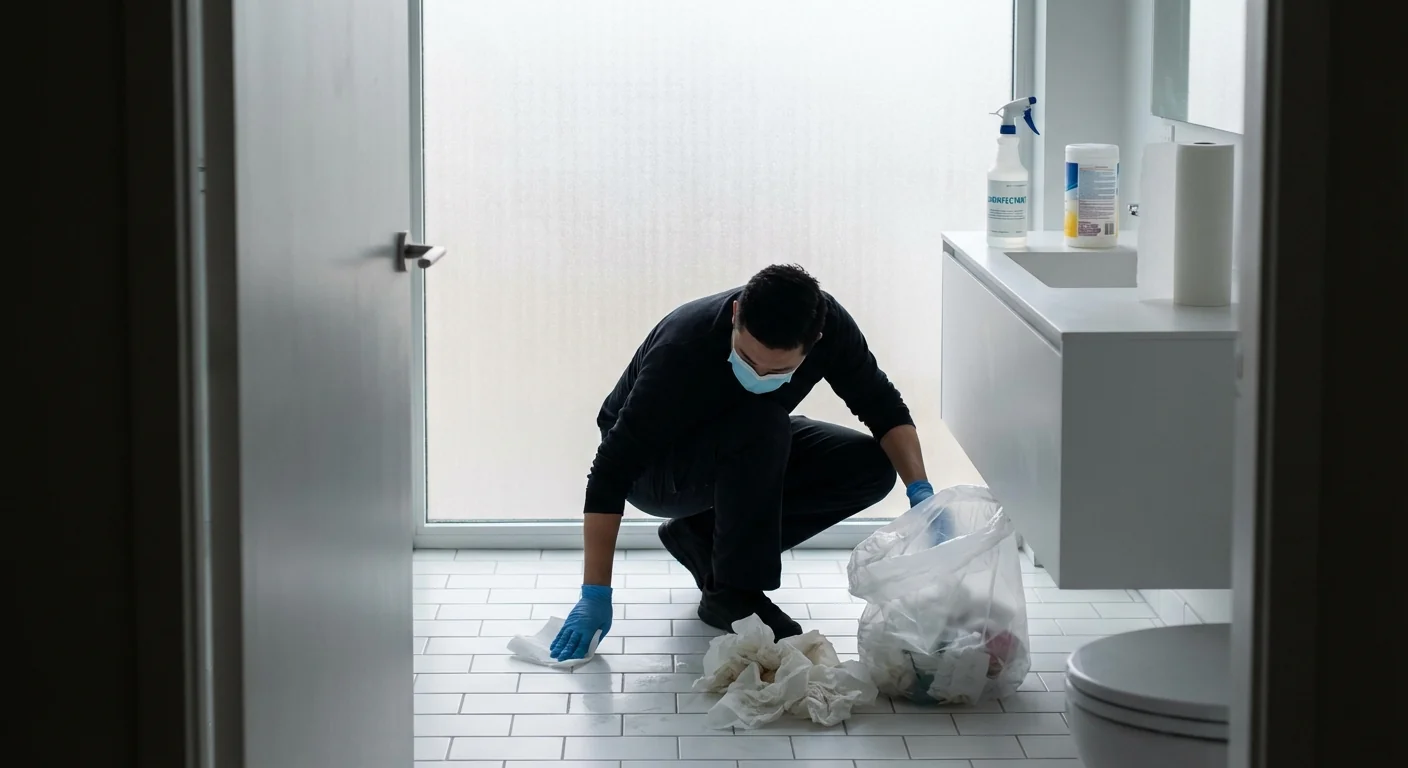
Travelers, pack oral rehydration packets, a spare set of clothes in your carry on, and sealable bags for quick cleanup. Hosts, set one bathroom for sick guests only if possible, and stock paper towels and gloves. If someone vomits, block the area, ventilate, put on gloves and a mask if you have one, then clean and disinfect before anyone returns.
If you get sick
Most cases start suddenly. Vomiting and watery diarrhea are common. Cramps, chills, and low grade fever can happen. Rest and fluids are the core of care. Take small sips often. Oral rehydration solutions replace salt and sugar in the right mix.
Call your clinician fast if you see signs of dehydration. Watch for very dark urine, dizziness, confusion, a dry mouth, or no tears in a child. Infants, older adults, and people with chronic illness can get sicker, faster. They should be seen sooner.
Avoid cooking for others until 48 hours after your last symptom. Wash bedding and clothes on hot if they were soiled. Clean bathroom surfaces twice, first with soap and water, then with disinfectant.
Hand sanitizer alone is not reliable against norovirus. Use soap and water whenever you can, especially before eating and after bathroom use.
The bottom line
Norovirus is hitting early, and a new dominant strain is helping it spread. The cruise ship outbreak is a warning, not an outlier. Wash hands, disinfect right, and stay home until 48 hours after symptoms stop. Smart moves now will protect your holiday table, and the most vulnerable people you love.