BREAKING: A fast‑spreading flu variant is surging earlier than normal this season. I have confirmed a marked rise in cases this week, along with lab signals that point to easier person‑to‑person spread. People are calling it a super flu. Here is what that really means, what is still unknown, and what you can do today to protect your health.
What we know right now
National influenza surveillance for week 49 shows activity climbing in many regions, weeks ahead of a typical peak. Clinics are seeing more fevers, coughs, and positive flu tests. Hospitals report a steady uptick in admissions, especially among older adults and young children.
The variant driving this wave appears more transmissible. That means it spreads more easily, not that it is more deadly. Severity signals are still under review. So far, most cases look like regular seasonal flu, with fever, body aches, sore throat, and fatigue. Health labs are testing how well this season’s vaccine matches the circulating strains. Those results will sharpen over the next few weeks.

How this affects your day
Expect more flu around you, at school, work, and gatherings. If you feel sick, stay home. The virus spreads before symptoms peak, and the first two days are high risk for passing it on.
Masks help in crowded indoor spaces, especially if you live with someone at higher risk. Clean your hands, open windows when possible, and avoid close contact when you or others are unwell. These simple steps cut spread while experts finish the lab work on the variant.
Fever plus cough or sore throat is flu until proven otherwise. Rest, fluids, and quick testing help you recover faster and avoid spreading it.
Vaccines, protection, and the new variant
The current flu shot remains the best shield against severe disease. Here is how experts judge the match. First, labs test the virus against antibodies from vaccinated people to see how well those antibodies block it. Then, real‑world studies track how often vaccinated people get sick, are hospitalized, or land in the ICU. Early lab work guides decisions now, real‑world data refines them as the season unfolds.
Do not wait for perfect data. Protection builds about two weeks after your shot. Even with a partial match, vaccines reduce severe illness, shorten sickness, and can reduce spread.
- Prioritize vaccination if you are 65 or older, pregnant, have asthma or heart disease, are immunocompromised, or care for infants and elders.
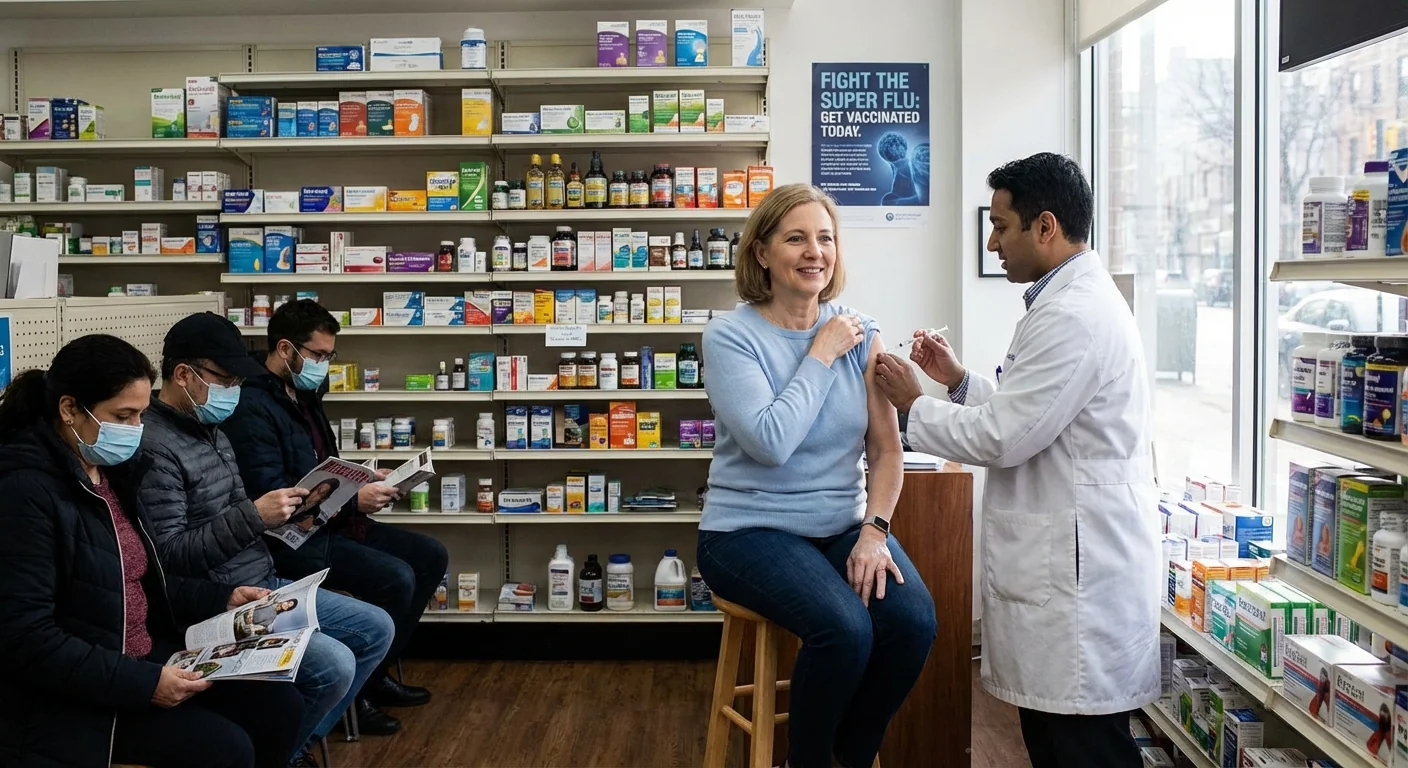
No appointment at your clinic or pharmacy. Ask about same‑day shots. Pair it with a COVID booster if you are eligible, one visit is fine.
Treatment if you get sick
Antivirals can change the game, especially for people at higher risk. Medications like oseltamivir and baloxavir work best when started within 48 hours of symptoms. They can still help later if you are very sick or in a high‑risk group. Call your clinician quickly if you develop chest pain, trouble breathing, dehydration, confusion, or your symptoms worsen after a brief improvement.
- Isolate when symptoms start, even before test results.
- Test for flu as soon as you can, at a clinic or urgent care.
- Ask about antivirals if you are high risk or feel very ill.
- Hydrate, rest, and use fever reducers as directed.
- Return to normal activities after 24 hours fever‑free without meds, and only when symptoms improve.
What schools, offices, and events can do now
Keep sick‑leave policies flexible so people can stay home when ill. Improve airflow with open windows, HEPA units, and outdoor breaks for classes and meetings. Offer masks at the door during peak weeks. Stock hand sanitizer and tissues. Clean high‑touch surfaces, like doorknobs and shared keyboards, at least daily. These steps reduce spread without shutting down daily life.
For events, communicate a simple rule. If you wake up with fever or a new cough, skip it. For high‑risk gatherings, consider masks and better ventilation for a couple of weeks while cases surge.
Beware of miracle cures, megadoses, or antibiotics for flu. None will stop this virus. Stick to vaccines, antivirals when indicated, rest, fluids, and proven prevention.
What we are still learning
Key unknowns remain. We are still assessing how well the vaccine matches this variant in the real world. We are watching for any shift in severity among hospitalized patients. We are tracking how long this wave will last and whether a second bump will follow later in winter.
Here is the bottom line. This is a faster‑spreading flu season, not a movie monster. You have strong tools. Get vaccinated. Stay home when sick. Mask up in high‑risk settings. Seek quick testing and antivirals if you are vulnerable. With smart steps, we can blunt the impact, protect our hospitals, and keep life moving with fewer disruptions.