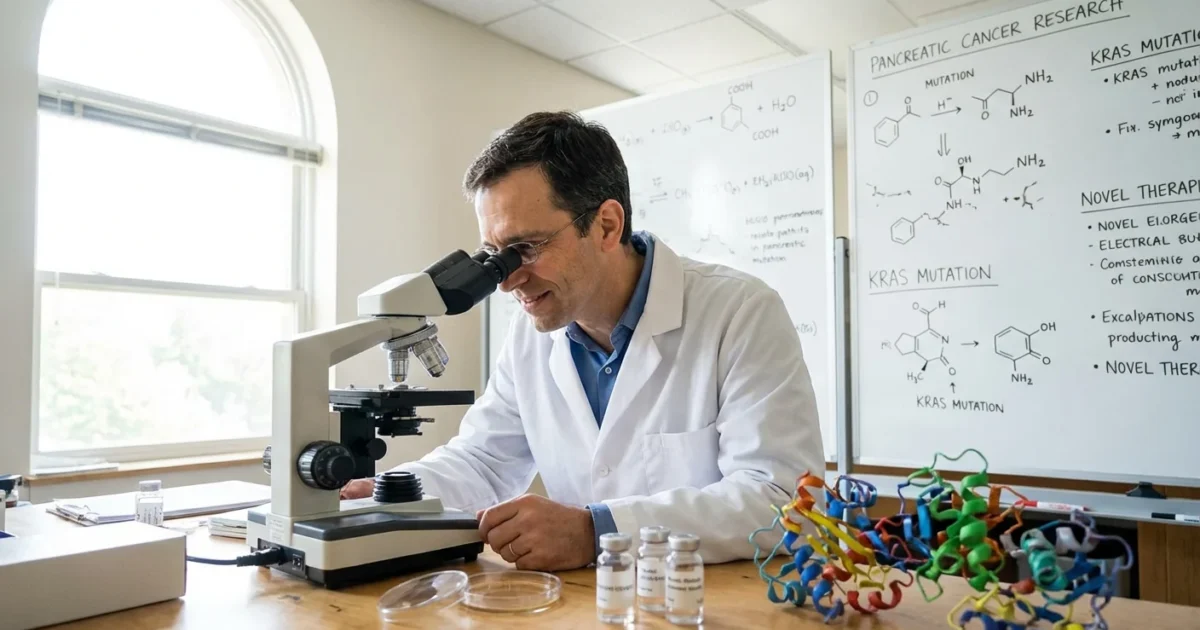
A bold claim about a pancreatic cancer cure is breaking today. A Spanish lab reports that its experimental therapy wiped out or sharply shrank pancreatic tumors in mice with few side effects. That is a striking result. It is not a cure for people. Not yet. Here is what matters for your health right now.
What happened today
The research team tested a new treatment in mouse models of pancreatic cancer. Many tumors regressed. Some disappeared on scans and tissue checks. The mice tolerated the treatment well, with limited toxicity day to day.
The work is preclinical. That means it has been done in animals, not in human patients. Early data like this can open doors. It can also overheat headlines. I am watching this closely because the biology looks promising, and the safety signals are encouraging so far.
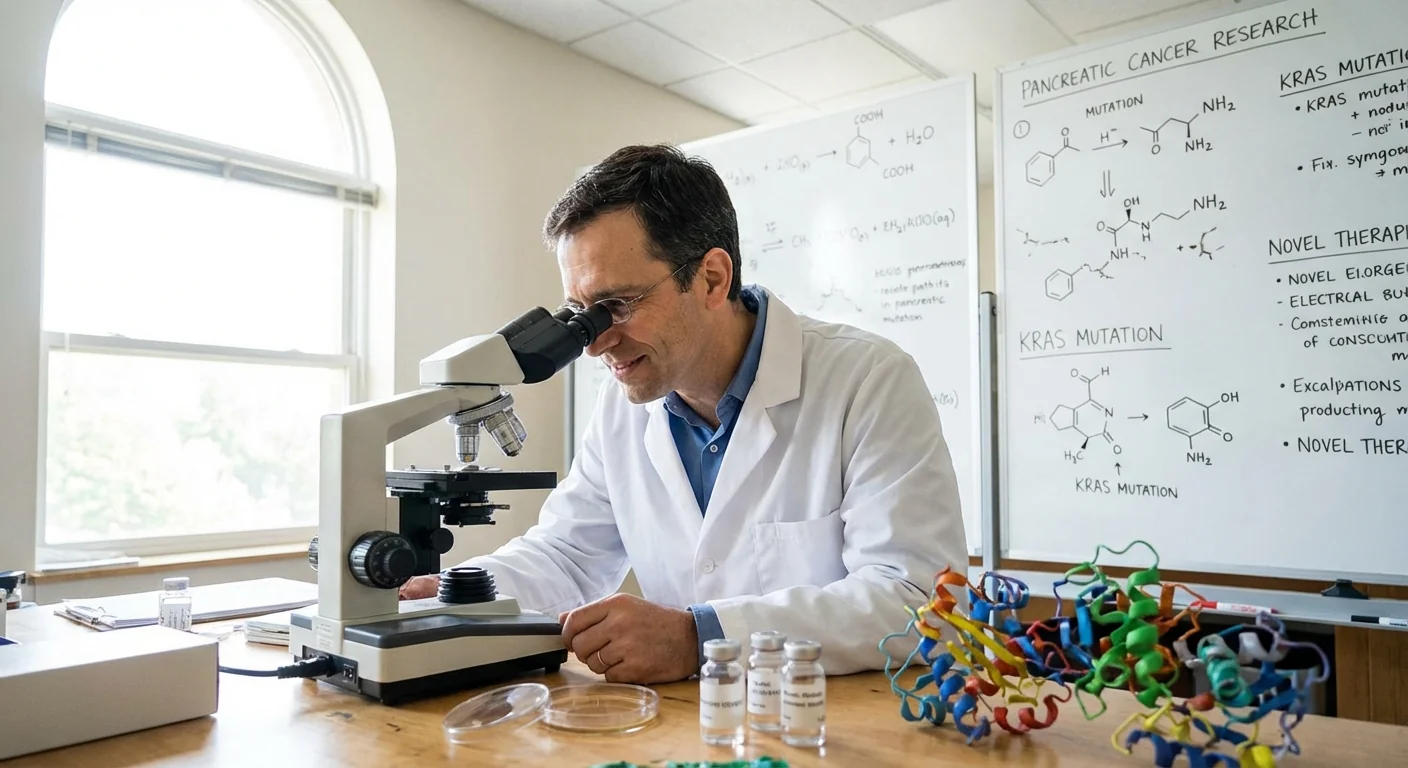
This is not a proven cure for people. It has only been shown in mice.
What this means, and what it does not
Pancreatic cancer is one of the hardest cancers to treat. Many people are diagnosed late. Five year survival rates are still low. Any sign of progress matters.
This news signals a real step forward in the lab. It means scientists have a fresh strategy to push into formal testing. It shows the approach may hit cancer cells hard while sparing healthy tissue. That balance is the holy grail of cancer care.
It does not mean doctors can offer this treatment today. Results in mice often fail to translate to people. Human tumors are more complex. Bodies process drugs in different ways. Safety in animals does not guarantee safety in patients.
What must happen next
To move from a mouse success to a therapy in clinics, a strict path lies ahead. Expect months to years, not weeks.
- Repeat the results in more animal models and different labs to confirm they hold up.
- Map the dose range, timing, and how the body clears the drug to flag risks early.
- File for regulatory review to start a Phase 1 study in a small group of patients.
- If safe, test larger groups to see real benefit, then compare to today’s standard care.
Even on a fast track, most new cancer drugs take years to reach patients, and many do not make it.
What you can do now
If you or someone you love is facing pancreatic cancer, your best path is clear. Stay grounded in proven care, and plug into expert centers that see this disease every day. New science helps most when it adds to a strong, current plan.
- Talk to your oncology team about clinical trials you may qualify for.
- Ask about second opinions at a high volume cancer center.
- Keep up with nutrition, pain control, and symptom support.
- Move your body in gentle ways if you can. Short walks help energy and mood.

Ask your care team to check trial match tools for you. Timing matters. Some trials are only open before certain treatments.
Wellness check for everyone
Know the common warning signs. Unexplained weight loss. Ongoing belly or back pain. Yellowing skin or eyes. Changes in stool. New diabetes without clear cause. These do not always mean cancer, but they deserve a prompt visit with your clinician.
Protect your pancreas and your whole body with steady choices. Do not smoke. Keep alcohol moderate. Aim for a healthy weight over time. Choose a diet rich in plants, lean protein, and healthy fats. Keep up with routine care. If you have a strong family history, ask about genetic counseling.
The bottom line
Today’s mouse data offers real hope, not hype, when you read it with care. The therapy cleared or shrank pancreatic tumors in animals with limited side effects. That is a meaningful signal. It is the start of a long process, not the finish line.
I will track the next steps closely. Replication. Safety work. Applications for early human trials. For now, stick with proven care, and keep an eye on clinical trials with your team. Hope is rising in the lab. Your health today still depends on the best tools we already have, used well and used early. 🔬