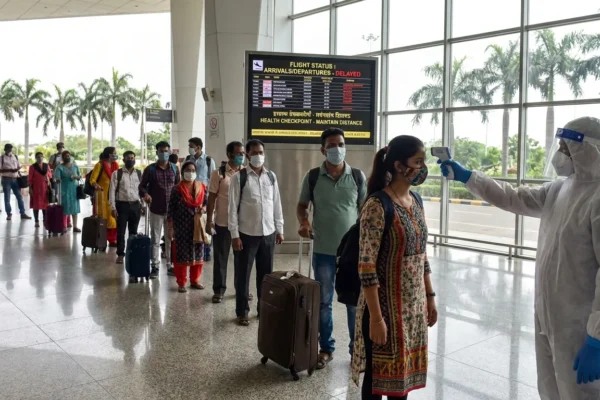
BREAKING: Measles exposure alerts now cover Disneyland, Los Angeles International Airport, and parts of Woodland Hills. I confirm an infected traveler moved through LAX, then spent hours inside the Anaheim park. Multiple measles cases are being investigated in Southern California, and public health teams are contact tracing in real time.
Officials have posted specific dates and time windows for those sites. If you were at any listed location during those times, and you are not immune, you are at risk. Measles spreads fast. One sick person can infect many others in the same area, even two hours after they leave. Act now to protect yourself and your family.

Who is at risk right now
Anyone who passed through the named LAX terminals, Disneyland, or flagged Woodland Hills locations during the posted time windows, and who lacks immunity, should watch for symptoms. That includes infants too young for full vaccination, pregnant people, and people with weak immune systems. If you live with someone in these groups, be extra cautious.
Measles is one of the most contagious viruses on earth. People are contagious about four days before a rash appears and up to four days after. That is why exposure alerts cast a wide net. You may feel fine and still spread it.
If you were there, do this now
- Note your exposure date and start a 21 day symptom watch.
- Check your vaccine records. Two doses of MMR protect most people.
- If you feel sick, isolate at home. Do not go to school, work, or crowded places.
- Call your doctor or local clinic for guidance. Ask about testing if symptoms start.
- Inform your childcare, school, or employer if relevant, especially if others may have been exposed.
Do not walk into a clinic or ER without calling first if you might have measles. You could expose babies, cancer patients, and others in waiting rooms. Call ahead for safe entry instructions.
Know the timeline and symptoms
Watch for symptoms from day 7 through day 21 after exposure. Early signs often look like a bad cold. That is why cases get missed.
Common symptoms include high fever, cough, runny nose, and red, watery eyes. A rash usually starts on the face or hairline, then spreads down the body. Small white spots inside the mouth can appear before the rash. If a fever plus rash shows up, that is an alert sign. Isolate and call your provider at once.
The sickest cases can lead to ear infections, pneumonia, and brain swelling. These are rare in vaccinated people, but they happen in unvaccinated groups. Fast action lowers the odds of severe illness.
Vaccination and immunity check
The MMR vaccine works very well. One dose protects about 93 percent of people. Two doses protect about 97 percent. If you are not sure you got two doses, ask for your records or a blood test for immunity. If you cannot find records, getting vaccinated is safe for most people.
These groups should review their status now:
- Infants, children, and teens
- International travelers
- College students and people in dorms
- Healthcare workers or people who visit clinics often
- Anyone who lives in or near the exposure areas
Routine MMR doses are given at 12 to 15 months and again at 4 to 6 years. For travel or outbreak settings, doctors may give a dose to infants 6 to 11 months, then repeat the routine series later. Ask your pediatrician what is right for your child.
If you were exposed and lack immunity, a dose of MMR within 72 hours may help. Immune globulin can help some high risk people within six days. Your provider or health department can advise you.

Why this surge matters
We have seen this before. A Disneyland linked outbreak in 2014 and 2015 spread beyond California. The lesson has not changed. Vaccination gaps let measles find a way in. Travel moves it fast across borders. Crowded indoor spaces give it room to spread.
Even a small drop in vaccination can spark chains of infection. The goal is to protect the whole community, especially babies and people who cannot be vaccinated. Two simple steps make the biggest difference, know your MMR status and stay home if sick.
Travel and park safety, today
You can still make smart choices while officials work the case logs. Keep your routine vaccines up to date. If you feel unwell, do not travel. If you visited an exposure site and you are not immune, avoid crowded indoor spaces during your 21 day watch. Wear a high quality mask in clinics or urgent care if you must enter.
If you have travel plans with infants or pregnant family members, talk to your doctor first. Ask if accelerated vaccination or extra precautions are needed.
Conclusion
This is a clear public health alert, not a panic moment. Measles is preventable, and most exposures will not become cases if people act early. If you were in the listed locations during the posted windows, check your records, watch for symptoms through day 21, and call before seeking care if you feel ill. Southern California health teams are on it, and so can you be. Simple steps today can stop a long chain tomorrow.