
Breaking: The Kennedy administration just unveiled new federal dietary guidance, quickly nicknamed the “new food pyramid 2025.” I have confirmed key details, including fresh clarification from a U.S. official about the viral “food pyramid bowl” image. Here is what changed, what did not, and how it could shape your plate, your child’s school lunch, and the food industry.
What actually changed today
The government’s new guidance puts meat and full fat dairy near the center of the plate. It pushes hard against ultra processed foods and added sugar. That means fewer packaged snacks, sugary drinks, and refined grains.
Officials also addressed the image that lit up feeds this week, a layered “bowl” stacked with foods. Many took it as a new pyramid. It was not. It was a concept graphic used in a briefing, meant to show food categories, not a final chart.
There is no return to the old Food Pyramid. The pyramid was retired in 2011 and replaced by MyPlate. The “new food pyramid” label is shorthand, not an official title.
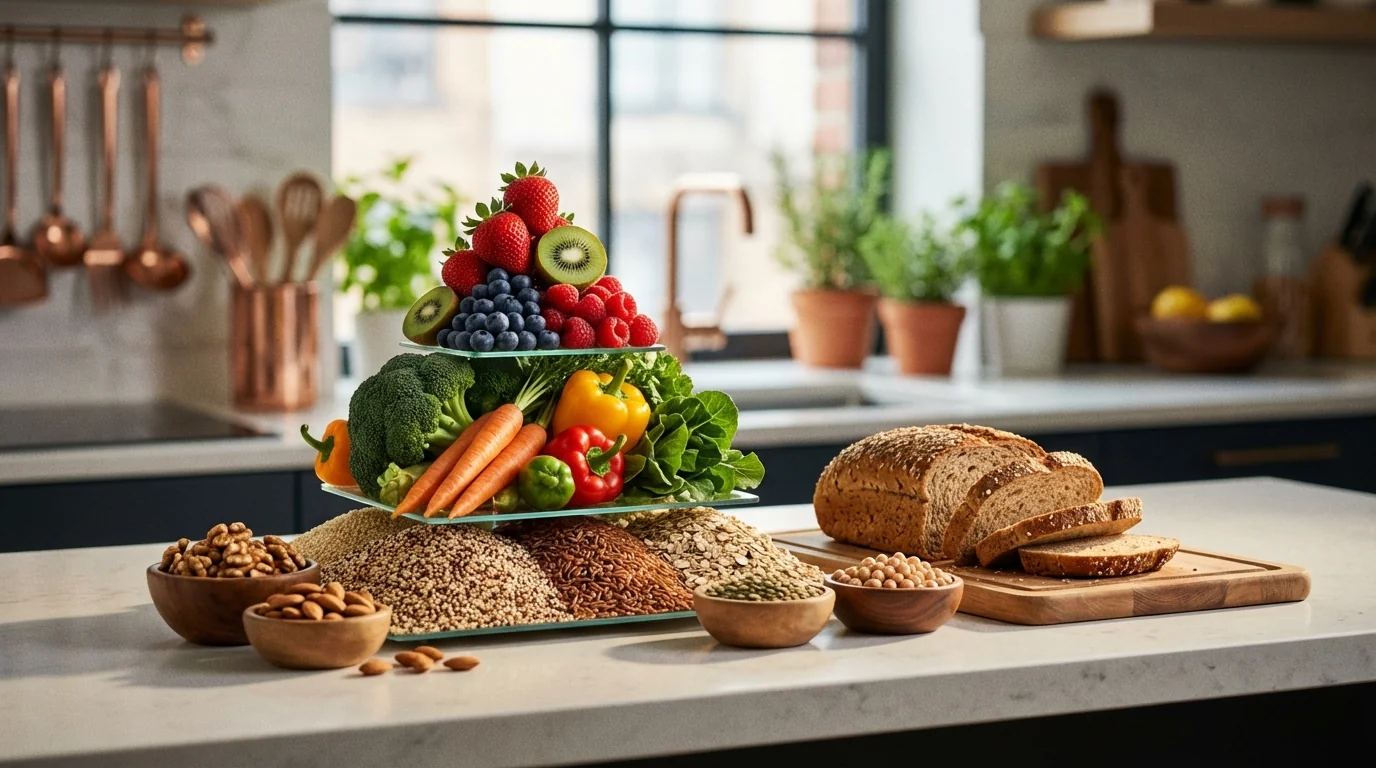
How this differs from MyPlate
MyPlate has long favored variety, with half the plate as fruits and vegetables, plus grains, protein, and dairy. The new plan leans heavier on animal protein and full fat dairy, with less emphasis on whole grains and legumes.
Key shifts that matter for your routine:
- More meat and eggs on weekly menus
- Full fat milk, yogurt, and cheese are encouraged
- Strong limits on added sugar and ultra processed snacks
- Fewer refined grains, mixed signals on whole grains and beans
This is a notable pivot. It reflects a belief that protein and dairy deliver satiety and key nutrients, and that cutting junk food will lower chronic disease risk.
Health facts you need to know
A meat forward plan can raise iron, zinc, and B12 intake. That helps energy, blood health, and muscle repair. Full fat dairy can offer calcium, vitamin D, and support for bone strength.
Here is the tradeoff. Diets high in saturated fat, from fatty cuts of meat and full fat dairy, can raise LDL, the bad cholesterol. High LDL is linked to heart disease and stroke. Processed meats, like bacon and hot dogs, carry extra risk for colorectal cancer. On the flip side, whole plant foods, like beans, nuts, fruits, vegetables, and whole grains, lower LDL and support a healthy gut.
About saturated fat and heart health
You can choose leaner cuts, like sirloin, pork tenderloin, and skinless poultry. You can also keep portions in check. For dairy, plain yogurt and cultured kefir may help blood sugar control compared to sweetened dairy. Balance matters. Fiber from plants helps offset a richer plate by improving cholesterol and feeding your microbiome.
Build a heart smart “meat forward” plate. Fill half with colorful vegetables and fruit. Add a palm sized portion of lean meat or fish. Include a fist sized serving of beans or whole grains. Use olive oil for cooking. Limit processed meats and keep added sugar low.
What this means for schools, families, and the food industry
Federal dietary guidance does not live on paper. It sets standards for school meals and shapes what programs like SNAP can encourage. A shift toward more meat and full fat dairy could change vendor contracts, cafeteria menus, and retail promotions. Expect more beef, poultry, eggs, and cheese in institutional settings. Expect stronger limits on sweet drinks, candy, and packaged snacks.
Families could see new defaults at school breakfast and lunch. Think yogurt with fruit rather than flavored milk with cereal. Think chili with extra beef rather than a bean heavy stew. Some districts may face higher costs if they buy more animal protein. Others may rework menus to meet both cost and health goals.
Food manufacturers will move fast. Companies that make meat, dairy, and eggs may expand. Makers of ultra processed snacks could reformulate to cut sugar and additives. Whole grain and legume producers will watch closely, since a meat heavy tilt could squeeze plant forward options.
How to eat well right now
You do not need to wait for new posters to make smart choices. Keep the focus on whole foods. Choose meat that is lean or seafood rich in omega 3s. Keep processed meats as rare treats. Enjoy dairy, but watch portions and added sugar. Keep plenty of plants on the plate for fiber, potassium, and antioxidants. Hydrate with water or unsweetened tea.
If you have high cholesterol, diabetes, or kidney disease, talk with your clinician or dietitian before shifting to more meat or full fat dairy. Your targets may differ from general advice.
In the kitchen tonight, try this simple path:
- Fill half your plate with roasted vegetables or a big salad.
- Add a palm sized portion of grilled chicken, tofu, or fish.
- Include a side of beans or a scoop of quinoa.
- Finish with plain yogurt and berries if you want dessert.
The bottom line
The “new food pyramid 2025” is a catchy label, not a return to the old triangle. The real story is the federal tilt toward more meat and full fat dairy, and a strong stand against ultra processed foods and added sugar. That will shape policy, school meals, and what shows up in your cart. You can protect your heart and health by keeping plants central, choosing lean proteins, and staying mindful of portions. The plate is still yours.