Breaking: A new Nipah virus outbreak has been confirmed in India. Health teams are racing to contain it. I can confirm that contact tracing is underway, suspected cases are in isolation, and public alerts are active. This virus can spread between people in close contact. It is deadly. Speed matters.
What we know now
Nipah virus is a zoonotic infection carried by fruit bats. It can also pass to people through pigs or contaminated fruit. Human to human spread happens through close contact with bodily fluids or droplets. That is why isolation and strict hygiene are essential right now.
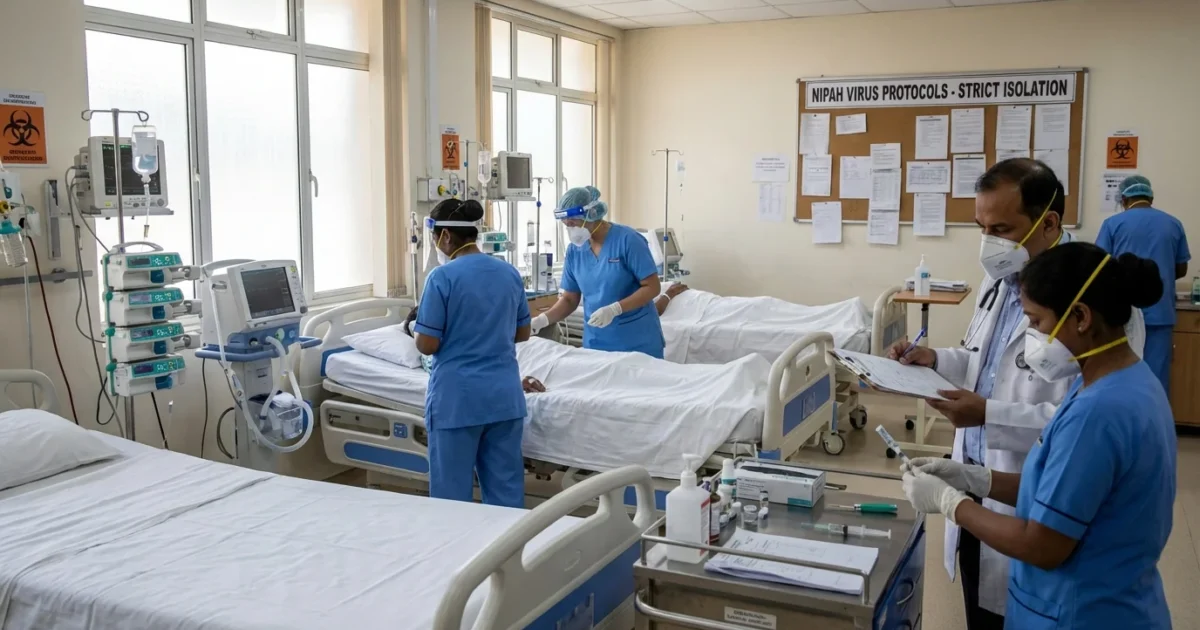
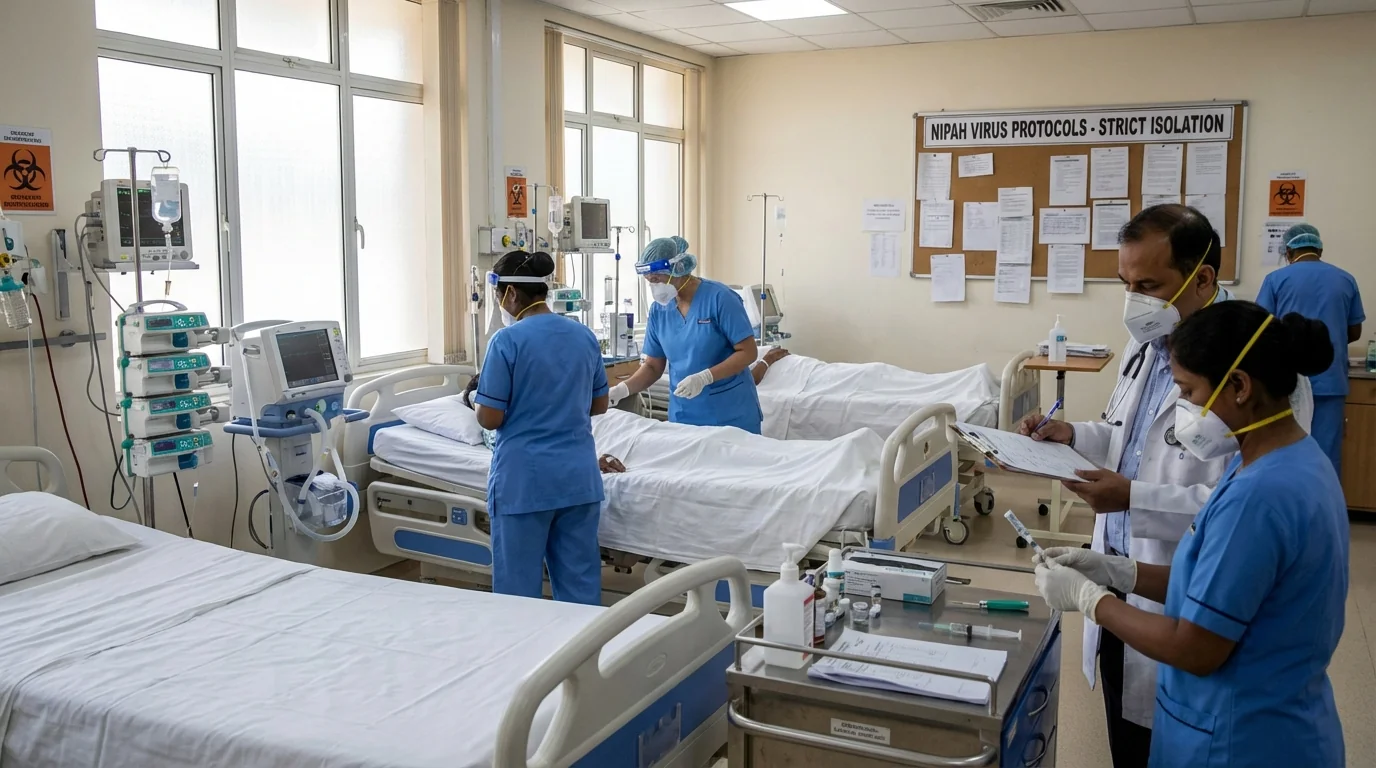
Clinics in the affected area have set aside isolation wards. Field teams are mapping contacts and monitoring anyone with fever or breathing trouble. Lab testing is active and samples are being processed. The goal is simple, break the chains of transmission fast.
There is no licensed treatment or vaccine for Nipah virus. Care is supportive. Early isolation saves lives and protects others.
What is Nipah virus and how it harms the body
Nipah is a Henipavirus. It has caused several outbreaks in South and Southeast Asia. Past fatality rates have ranged from about 40 percent to 75 percent. The exact number depends on how fast people get care and the strength of the response.
Symptoms often begin like the flu. Fever. Headache. Sore throat. Many patients also develop a cough or trouble breathing. In severe cases, it can inflame the brain, called encephalitis. That can lead to confusion, seizures, coma, and death. Some survivors have long term nerve problems.
The virus usually incubates for 4 to 14 days. People can spread it when they are sick, especially in close quarters. Family caregiving and hospital exposure are common risk points. Infection control must be tight to protect patients and health workers.
How to protect yourself and your family
You can lower your risk now. These steps are simple and effective.
- Wash hands often with soap and water, especially after caring for someone ill.
- Avoid close contact with anyone who has fever and respiratory symptoms.
- Do not eat fruit that looks bitten by animals. Peel fruit before eating.
- Skip raw or fermented palm sap and unpasteurized products.
- Wear a mask and use gloves if you must care for someone who is sick.
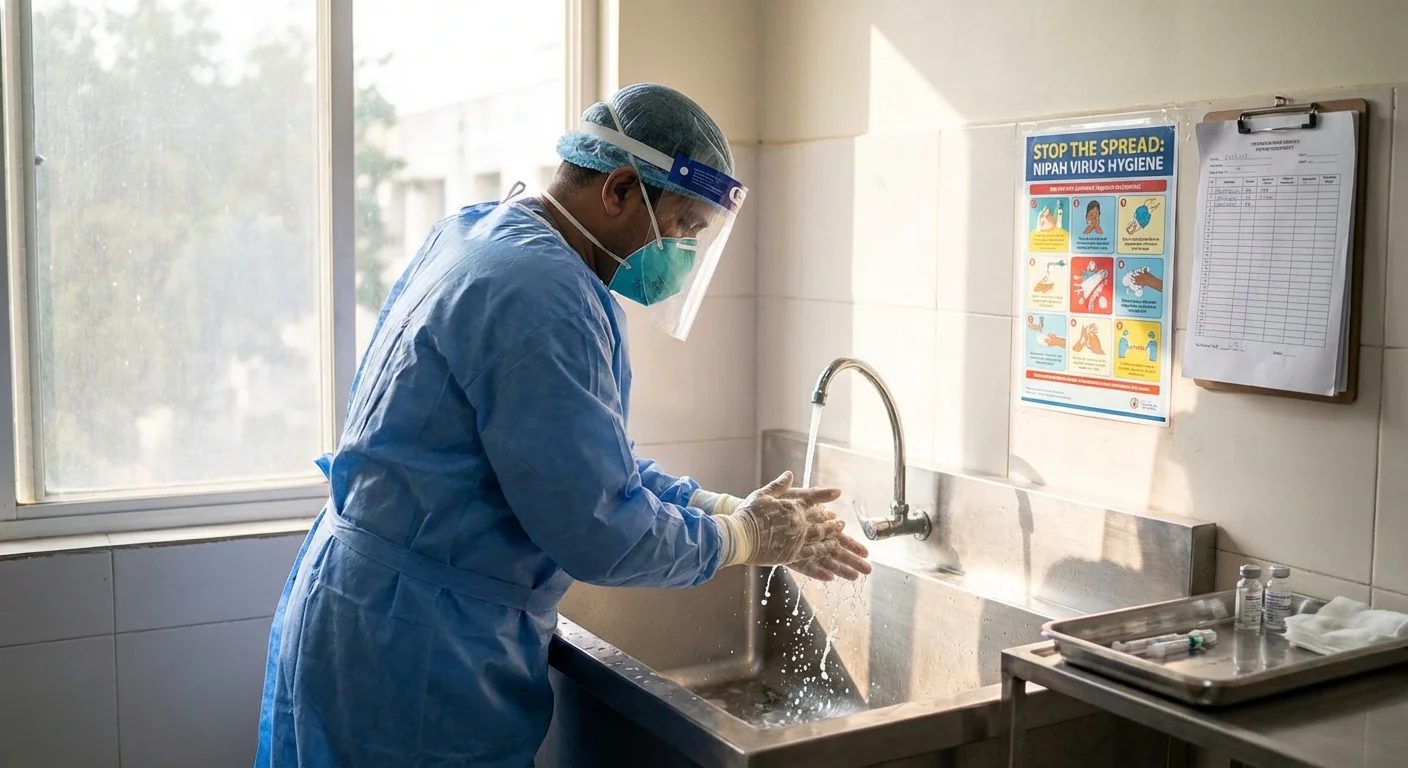
If you develop fever, headache, or cough after a known exposure, isolate and call your local health line before visiting a clinic.
What authorities are doing
Health workers are tracing contacts and checking daily for symptoms. Hospitals are reinforcing infection control. That includes dedicated wards, separate triage, and full protective gear for staff. Public advisories urge people to seek care early, avoid risky foods, and limit close contact with the ill.
Labs are running PCR tests to confirm cases. Ambulance teams use strict transport protocols. Community outreach teams are sharing clear instructions in local languages. Schools and public events in the affected zone may be adjusted, based on risk assessments. Travel in and out of the area is being monitored.
Do not hide symptoms or exposure. Quiet spread fuels outbreaks. Reporting early can protect your whole community.
How this outbreak compares with past clusters
Nipah outbreaks are rare but serious. Past clusters in Bangladesh, Malaysia, and India ended when teams moved fast. Isolation, contact tracing, and careful hospital practice stopped spread. Today’s response follows the same playbook, with faster testing and tighter clinical protocols.
There is still no cure. Supportive care can make a big difference. Oxygen, fluids, and seizure control help patients survive the critical phase. The earlier patients reach a prepared facility, the better their chances. Protecting healthcare workers prevents hospital spread, which is often a turning point in containment.
The bottom line
This is a high risk virus, but it is containable with quick action. Keep your circle informed. Practice strong hygiene. Avoid risky foods. Seek care early if you are unwell. I will continue to track the response and share verified updates. For now, vigilance and calm, not fear, will keep families and communities safe.