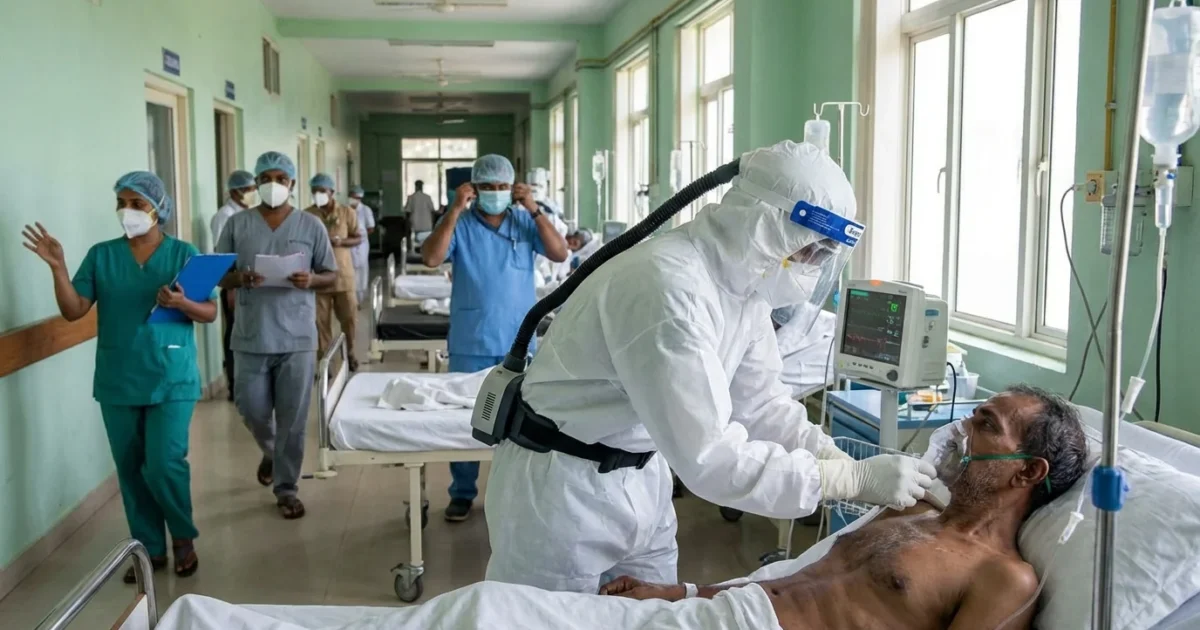
I am confirming a new Nipah virus outbreak in India today. Health teams are moving fast. Hospitals are isolating suspected cases, and field workers are tracing contacts. This virus is rare, but it can be severe. There is no licensed vaccine. There is no specific cure. Here is what you need to know now, and how to protect your family.
What Nipah virus is and how it spreads
Nipah is a zoonotic virus, which means it jumps from animals to people. Fruit bats carry it. The virus can spill over when people eat food contaminated by bat saliva or urine. It can also pass through an intermediate animal like pigs.
Human to human spread happens through close contact. That includes caring for a sick person without proper protection. It can spread through respiratory droplets, body fluids, and contaminated surfaces. Most outbreaks stay local. They demand quick action, not panic.
For most people outside the affected districts, the risk is low. The highest risk is among close contacts of a confirmed case, and healthcare workers without proper protection.
Symptoms to watch and when to act
Symptoms usually appear 4 to 14 days after exposure. In some cases, it can be longer. Early symptoms can look like the flu. Some people get severe brain inflammation or breathing failure.
Common signs include:
- Fever and headache
- Cough, sore throat, and shortness of breath
- Vomiting or abdominal pain
- Dizziness, confusion, or drowsiness
If you have fever plus breathing trouble or confusion, do not wait. Call local health services. Tell them about any contact with a sick person, animals, or raw fruit products. Go to a facility that can isolate and test you. Wear a mask during transport.
Do not self medicate with antibiotics or steroids for suspected Nipah. They do not treat viruses and can make things worse. Seek medical care quickly. ⚠️
How India is containing this
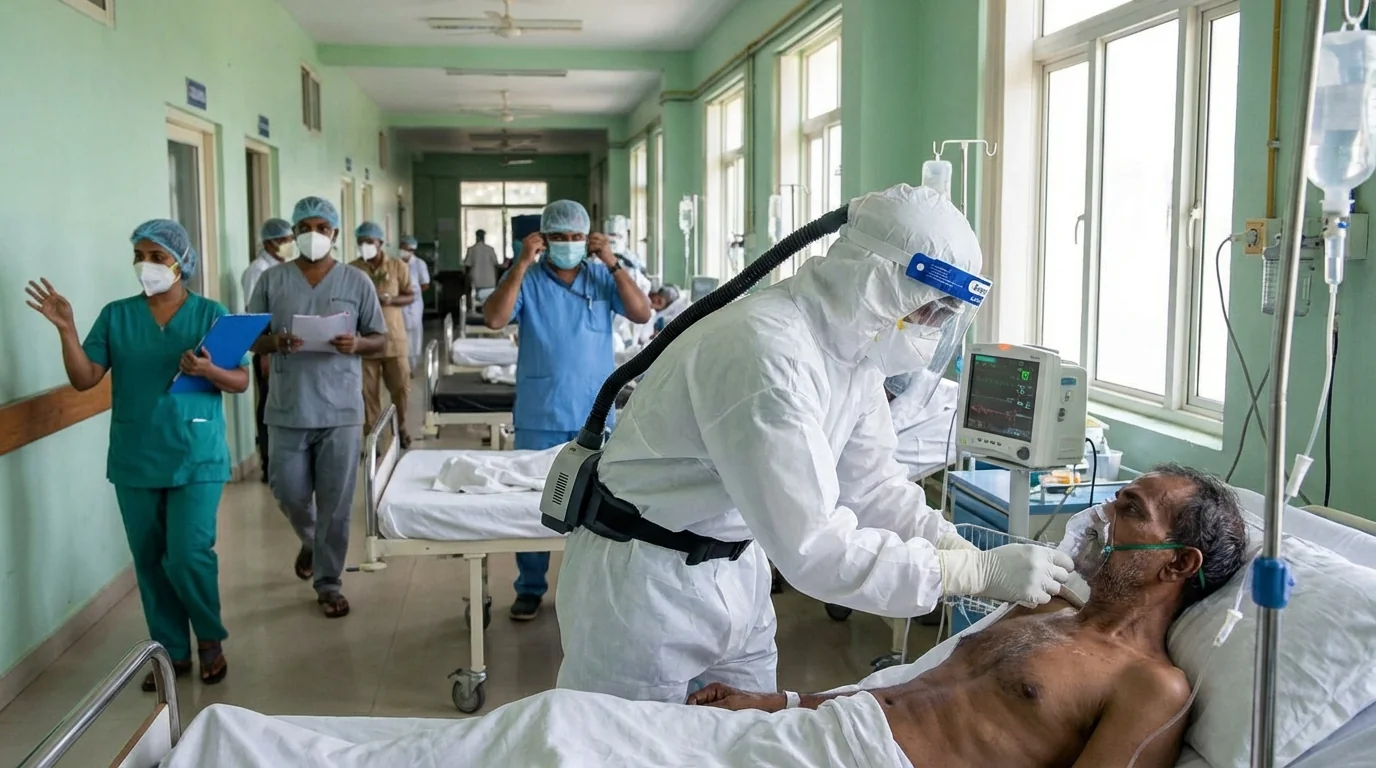
Containment starts with speed. Suspected patients are isolated in designated wards. Doctors and nurses use masks, face shields, gowns, and gloves. Labs run rapid PCR tests to confirm the virus.
Public health teams map every contact. They monitor those contacts daily for 21 days. If anyone develops symptoms, they move to isolation right away. Local authorities can set up control zones. They may close schools or public spaces in those zones if needed. This ring approach works. It cuts off chains of spread.
Hospitals are tightening infection control. This includes separate triage areas, strict hand hygiene, and careful cleaning of high touch surfaces. Ambulance staff and cleaners receive extra protective gear. Families receive guidance for safe caregiving at home when appropriate.
How to protect yourself and your family
You can lower your risk with simple steps. These habits help with many infections, not only Nipah.
- Wash hands often with soap and water for 20 seconds.
- Wear a well fitting mask in clinics and crowded indoor places in affected areas.
- Avoid close contact with anyone who is sick with fever or cough.
- Do not eat raw date palm sap or fruit that may have been exposed to bats. Wash, peel, or cook produce.
- Keep distance from bats and sick animals. Avoid visiting animal pens if unprotected.
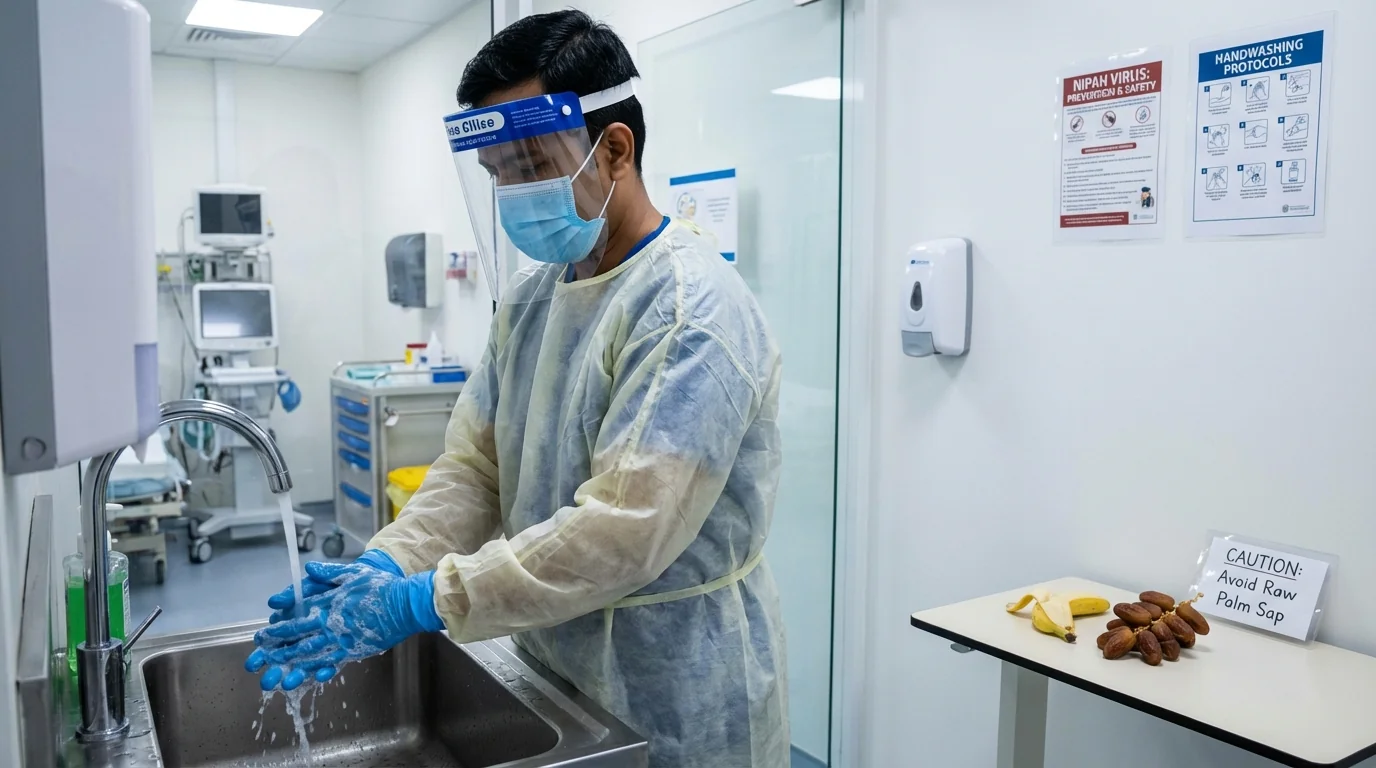
If someone at home is ill, set up one room for care. Keep windows open for airflow. Use separate dishes and towels. Clean surfaces daily with regular disinfectant. Dispose of tissues in a sealed bag. Caregivers should wear a mask and wash hands before and after every contact.
Pack a small clinic kit if you live in an affected area. Include masks, hand sanitizer, a thermometer, and a list of emergency numbers. 🙂
What to expect next
Case counts may shift as testing catches up. That is normal early in an outbreak. Health teams will keep tracing contacts and expanding testing. Expect targeted advisories, not blanket restrictions. If you are asked to test or quarantine, it is because you are part of a protective ring.
Take care of your mental health as well. Anxiety is common during outbreaks. Limit doomscrolling. Choose one reliable update source. Get good sleep, move your body, and eat regular meals. These habits keep your immune system steady.
The bottom line, this outbreak is serious, but it is containable. Nipah spreads through close contact, not casual community air. With fast isolation, careful caregiving, and smart hygiene, we can break the chain. I will continue to monitor the situation and share verified updates. Stay calm, stay prepared, and take action where it counts.