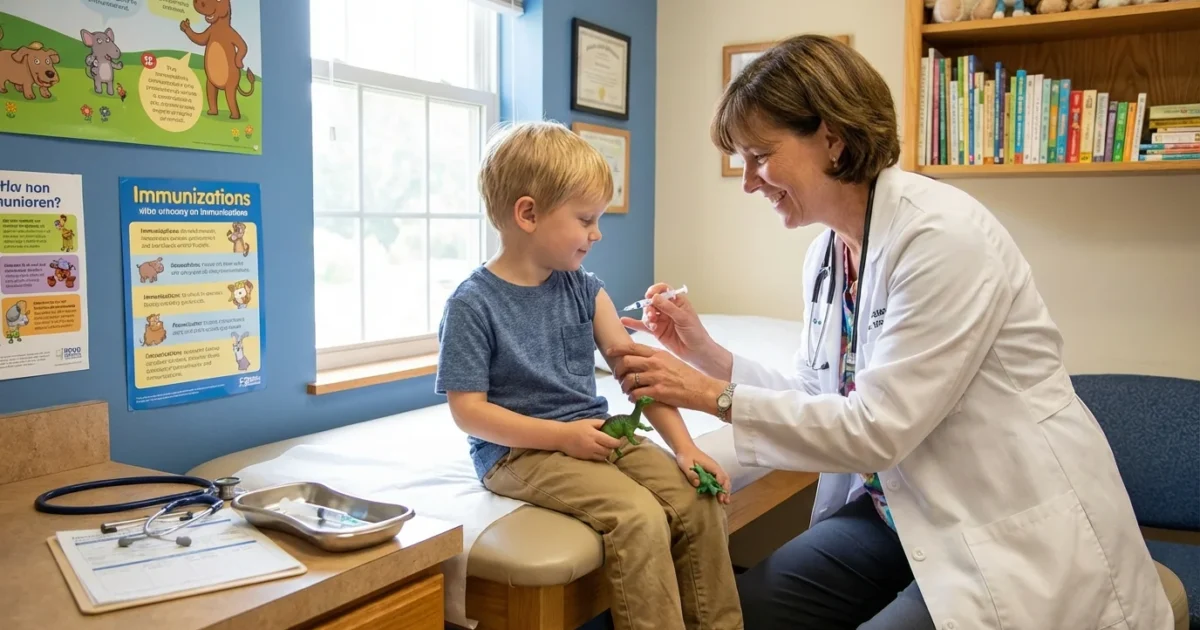
BREAKING: CDC releases updated childhood vaccine schedule. Here is what changed, why it matters, and what parents should do today.
What changed in the new schedule
I reviewed the CDC’s updated child and adolescent immunization schedule this morning. It is clearer, more detailed, and built to help families and clinicians make timely decisions. The core routine vaccines remain in place. What looks like an overhaul is mostly better formatting, clearer timing windows, and sharper guidance for special situations.
COVID-19 vaccination stays in the guidance for everyone age 6 months and older, with age-appropriate doses. Influenza vaccination remains yearly for children 6 months and up. RSV protection is now integrated. That means two pathways, maternal vaccination during pregnancy or an infant monoclonal antibody during RSV season. Your pediatric team will choose the right path based on timing and eligibility.
Catch-up notes are easier to follow. If a child is behind, the schedule gives specific age windows and spacing for safe recovery. Co-administration is also emphasized. Kids can receive multiple vaccines in the same visit, which cuts missed chances and keeps school and sports on track.
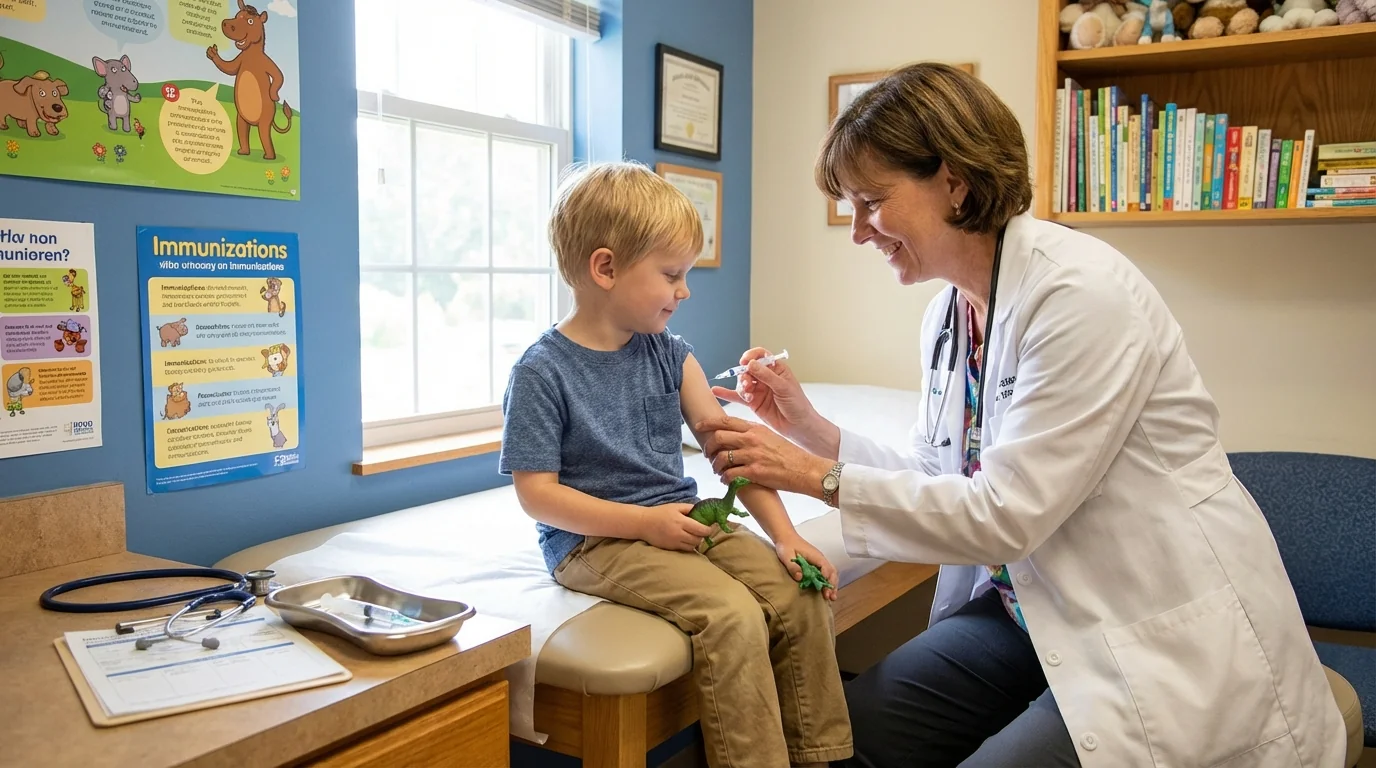
The CDC updates this schedule every year after expert review by the Advisory Committee on Immunization Practices, which weighs safety and effectiveness data in detail.
Why this matters for your child’s health
Vaccines protect against diseases that still circulate. Measles, whooping cough, and polio have not vanished. When vaccination rates drop, outbreaks return. Families see this in real life, not just on charts, with school absences, ER visits, and long recoveries.
The new schedule highlights how to keep visits efficient and protection steady. That includes giving flu and COVID-19 vaccines at the same appointment when due, which is safe for most kids. Combination shots lower needle count. Fewer visits, less stress, strong immunity.
Political noise does not change germs. Proposals to reduce recommended shots sit outside the science process. The schedule you see here reflects risk data, real world effectiveness, and a long record of safety.
Rotavirus deserves your attention
Rotavirus once filled pediatric wards with infants who were vomiting, dehydrated, and weak. The rotavirus vaccines changed that story. Hospitalizations dropped sharply after the shots were introduced. The protection starts early, with doses in the first months of life.
Here is the key timing. The first dose must start in early infancy. The series must finish by 8 months of age. If coverage slips, we will see severe diarrhea surge back, fast. That means IV fluids, ambulance rides, and scared parents. We do not need to relive that.
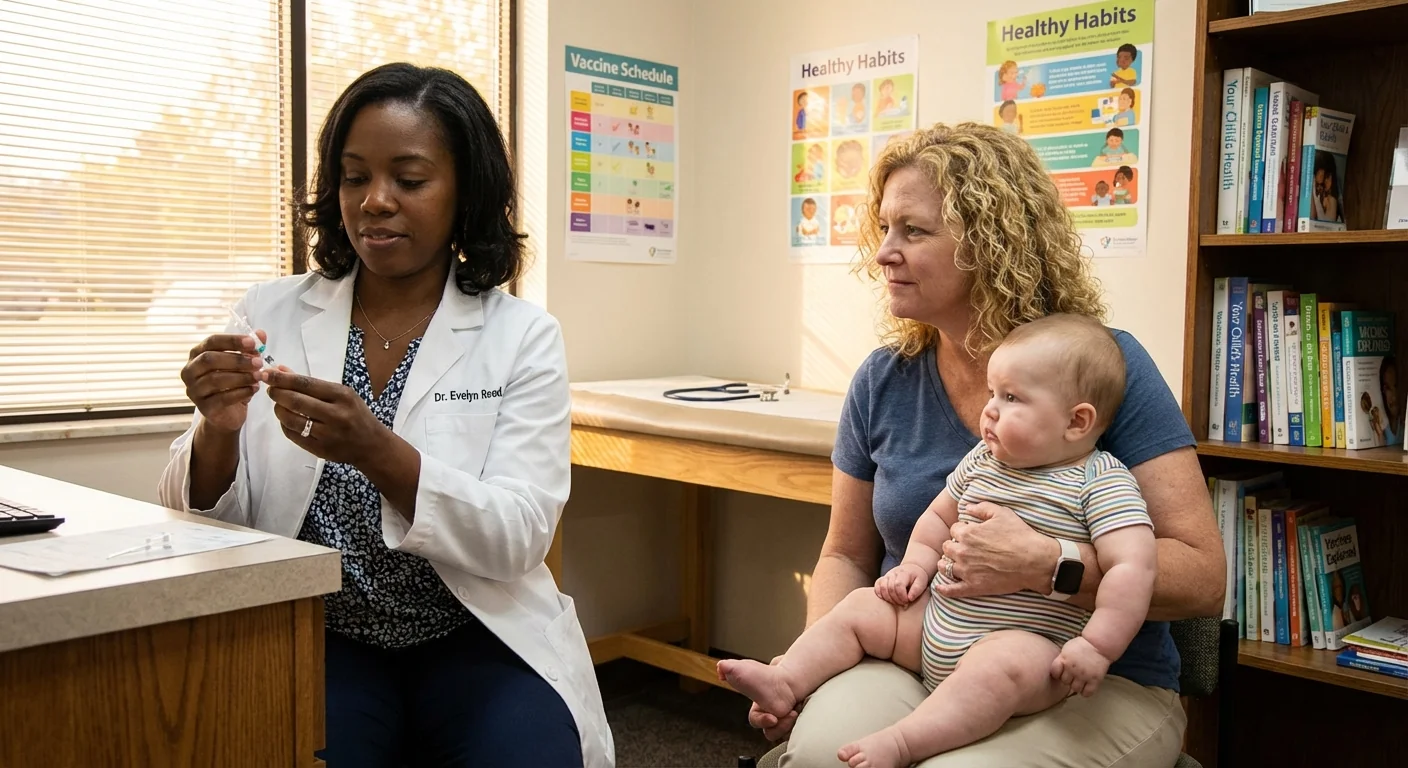
Do not miss the early window for rotavirus. Once a baby ages out, you cannot start the series. Put it on your newborn plan before the first well visit.
What parents should do now
Call your pediatrician and book a well visit if your child has missed one. Bring the vaccine record. Ask three direct questions, what is due today, what can be combined, and how do we finish the series on time. If you are expecting, talk with your OB about RSV vaccination timing and how it pairs with the infant monoclonal option.
When you go in, expect a calm, practical plan. Mild side effects are common, sore arm, low fever, fussiness. Serious reactions are very rare. Your care team will tell you what to watch for and when to call.
Use this checklist to stay on track:
- Confirm rotavirus timing for infants, finish by 8 months
- Plan Tdap and HPV at 11 to 12 years, with catch up if needed
- Keep yearly flu on the calendar, often with COVID-19 the same day
- Ask about catch-up for MMR, varicella, polio, and Hep A or Hep B if gaps exist
Bundle appointments. Sports physical, vision check, and vaccines can often happen in one visit. Fewer trips, less stress, better coverage.
The bottom line
Today’s CDC schedule keeps the full shield of protection in place, with clearer directions and integrated RSV options. The message is simple. On time is best. Catch up is safe. Combination visits work. The path forward is in your hands, and your pediatrician is ready to guide you. Keep your child’s defenses strong, so school, play, and sleep stay normal. Your schedule, your plan, your peace of mind. 💪