Breaking: Former U.S. senator Ben Sasse has revealed he has stage 4 pancreatic cancer. In a plain, painful statement today, he called it a “death sentence.” I can confirm the diagnosis was shared publicly today. The words land hard, and for good reason. Stage 4 pancreatic cancer is advanced disease with very limited options for cure. It forces urgent decisions for patients and families.
Sasse, who represented Nebraska from 2015 to 2023, has kept a demanding public life. Now the focus turns to time, comfort, and care. It also turns to what this illness means for every family facing it.
What stage 4 pancreatic cancer means
The pancreas sits behind the stomach. It helps digest food and controls blood sugar. Pancreatic cancer is often quiet at first. Many people do not feel sick until the cancer has spread.
Stage 4 means the cancer has moved to distant organs. The liver is common. So are the lungs and the lining of the abdomen. At this stage, surgery cannot cure the disease. Treatment usually aims to slow the cancer, ease symptoms, and extend life when possible.
With modern chemotherapy, some patients live longer than expected. Many do not. This is one of the toughest cancers in medicine. Honest goals and clear plans matter.
Treatment paths and care now
Doctors often use combination chemotherapy. Two common choices are FOLFIRINOX and gemcitabine with nab paclitaxel. The plan depends on age, strength, and lab results. Side effects can be intense, but they are manageable for many people.
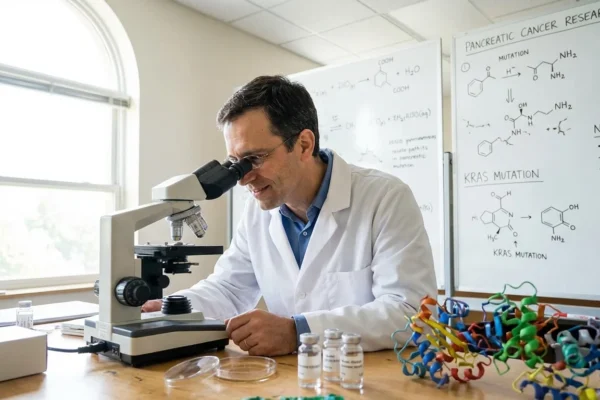
Tumor testing can guide care. A small group of patients has DNA changes that open doors to targeted drugs. BRCA1 or BRCA2 changes can allow PARP inhibitors after chemotherapy. Rare tumors with high microsatellite instability can respond to immunotherapy. Clinical trials can offer access to new options.
Good cancer care is also symptom care. Pain control is essential. A nerve block called a celiac plexus block can help. Stents can relieve jaundice when bile ducts are blocked. Nutrition support keeps weight and energy up. Palliative care teams focus on comfort, strength, and goals at every step.
Ask about a second opinion and clinical trials at a major cancer center. Bring a list of questions. Bring a trusted friend or family member.
Symptoms to know, risks to manage
Early signs are easy to miss. Do not ignore changes that persist for more than two weeks.
- Yellowing of the skin or eyes, called jaundice
- Upper belly or back pain that does not go away
- Unplanned weight loss or loss of appetite
- New diabetes or a sudden change in blood sugar
Smoking raises risk. So do obesity and heavy alcohol use. Long term pancreatitis, especially from genetic causes, also matters. A family history of pancreatic, breast, ovarian, or colon cancer can signal inherited risk. Genes like BRCA1, BRCA2, and PALB2 are examples. Not everyone with these risks gets cancer. But knowing your risk shapes smarter screening and lifestyle choices.
[IMAGE_2]
If two or more close relatives have had pancreatic cancer, ask your doctor about genetic counseling. High risk clinics can offer screening with MRI or endoscopic ultrasound.
What you can do today
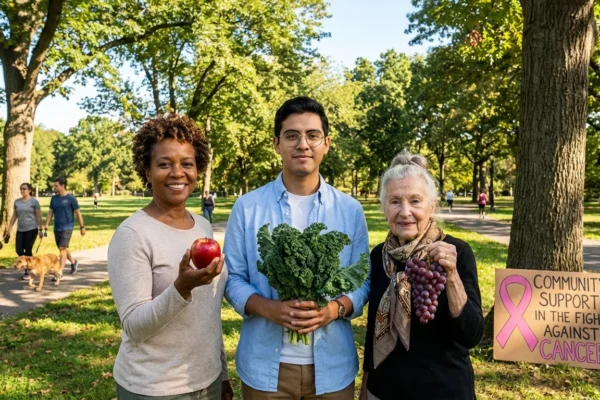
You cannot control every risk. You can control many habits that protect your health.
- Book a visit if you have the symptoms listed above. Do not wait and see.
- Do not smoke. If you smoke, ask for help to quit today.
- Move your body most days and choose whole foods. Keep a healthy weight.
- Gather your family health history and share it with your doctor.
Mental health matters too. Fear, grief, and stress are normal in this illness. Counseling helps. Support groups help. Caregivers need care as well. Simple routines, fresh air, and good sleep can steady the day.
The larger conversation
Sasse’s news shines a light on a disease that too often stays hidden until late. It underscores the need for earlier detection tools and better drugs. It also reminds us that planning is an act of love. Advance directives and honest talks can guide care when time is short.
For families walking this road, there is no single right way. There is only your way, supported by good information and a strong team. Ask questions. Say what matters most. Accept help. Give yourself grace.
This story began with a public figure, but it is about every kitchen table meeting hard news. Today we hold space for that reality, and for the people living it. May this moment drive awareness, faster research, and kinder care for all. 💜