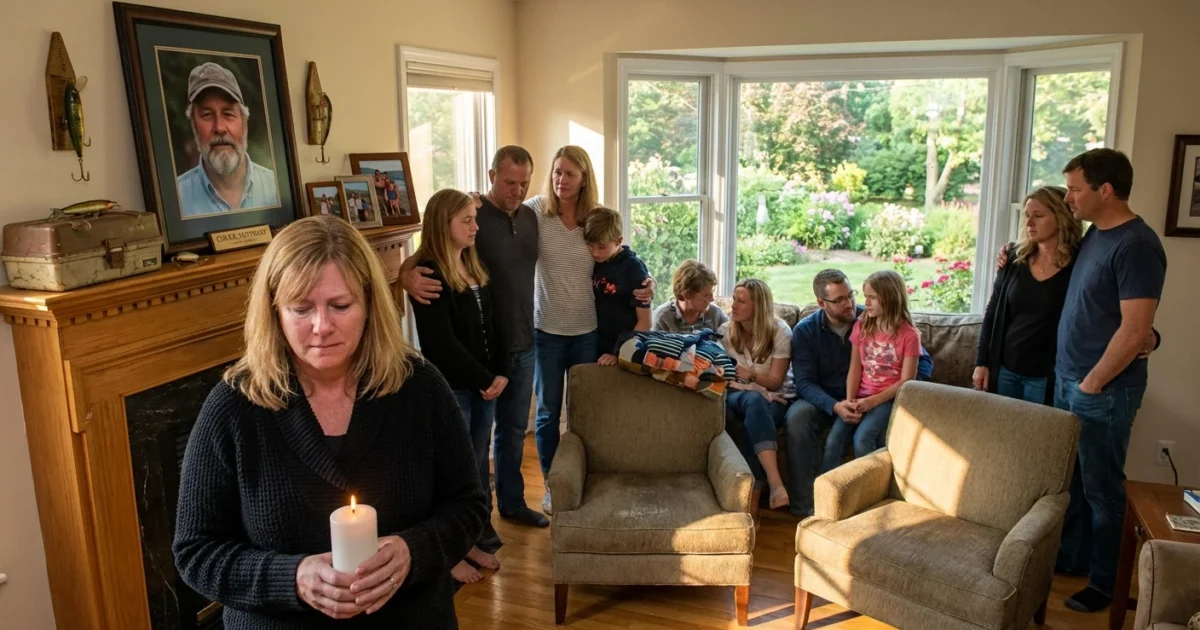
Breaking: A private 911 call related to the death of Chuck Potthast was posted publicly today. It is raw, painful, and personal. It also forces a hard question on all of us. How do we balance public curiosity with basic human dignity and mental health?
What happened today
The audio records the first moments of a family medical emergency. I am not repeating those details here. That restraint is intentional. Graphic descriptions can trigger distress, panic, or trauma symptoms for many people. The Potthast family asked for privacy when they confirmed his passing. That request still deserves respect.
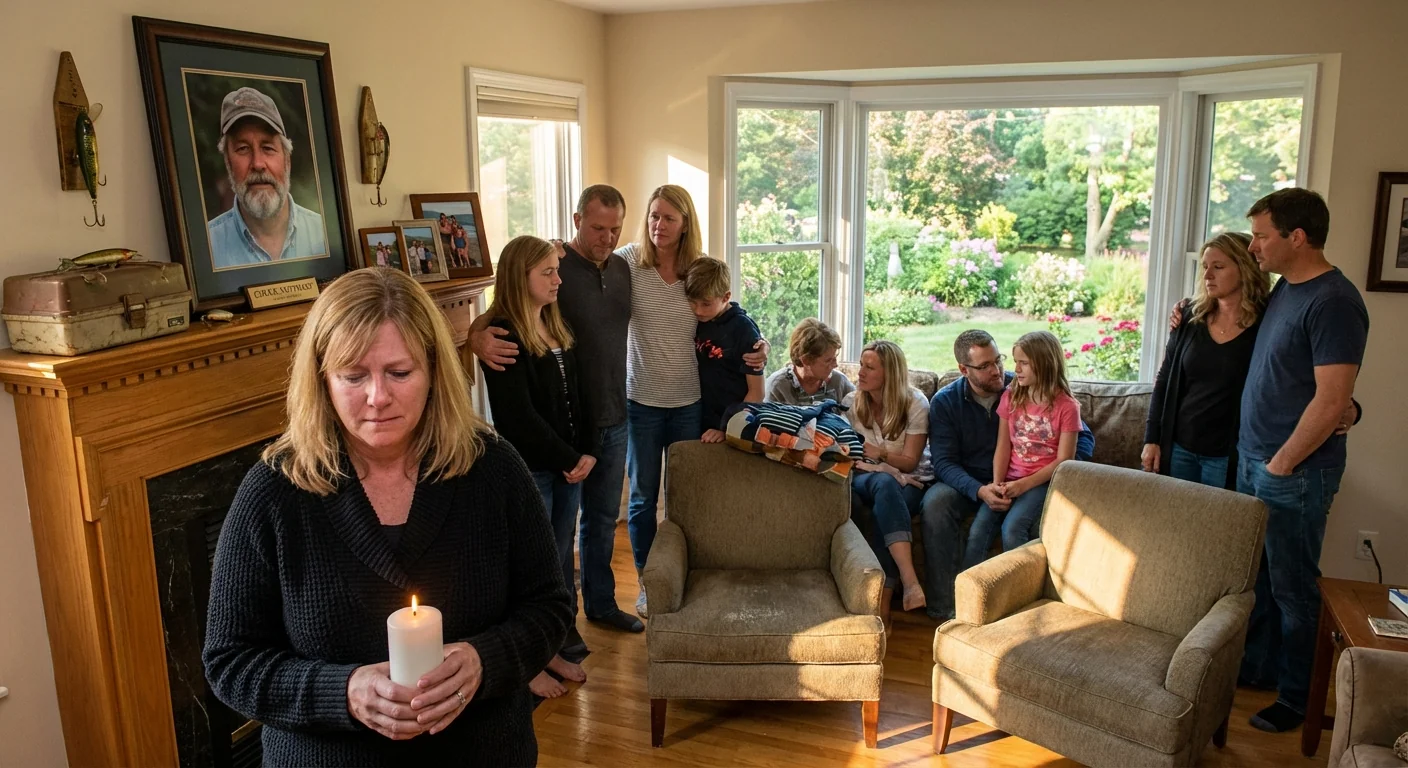
Chuck Potthast, known to 90 Day Fiancé viewers through his daughter Elizabeth “Libby” Castravet, died on November 9, 2025. He was 64. He had been fighting glioblastoma, an aggressive brain cancer. His family shared the news publicly on November 23, noting the depth of their grief and asking for space to mourn.
His health journey, in brief
Potthast spoke in recent years about serious health challenges. He faced bladder cancer in 2016. He later received a diagnosis of glioblastoma. In September 2025, he underwent a complex hernia repair related to prior cancer surgeries. He shared that the operation lasted far longer than expected, and he thanked supporters afterward.
Glioblastoma is a fast growing brain tumor. It often causes headaches, memory changes, weakness, seizures, or personality shifts. Treatment usually includes surgery, radiation, and chemotherapy. Even with top care, the disease is hard to control long term. Bladder cancer risk rises with age, smoking, and certain chemical exposures. Early signs can include blood in the urine or frequent urination.
The health cost of publishing traumatic audio
Posting emergency audio does more than inform. It can inflict harm. Hearing a loved one’s crisis, or a stranger’s, can trigger anxiety, flashbacks, or sleep problems. For families, repeated exposure can reopen wounds. For bystanders, it can cause secondary trauma.
There is also the risk of misinformation. Audio from chaotic moments often lacks context. It can lead to speculation that damages reputations or distorts medical facts. Responsible health reporting should reduce harm, protect privacy, and add clarity. That means minimizing graphic detail, centering verified medical information, and asking whether the public benefit outweighs the pain caused.
Graphic emergency content can trigger panic, grief, or intrusive thoughts. If you feel overwhelmed, stop the audio, step away, and ground yourself with slow, deep breaths.
This is not abstract. Many people carry private losses, recent or distant. Content like this can spark strong reactions in minutes. The ethical path is not about hiding news. It is about timing, tone, and care, especially while a family is still grieving.
Protect your mental health when disturbing content circulates
You control what you see and hear. Set healthy boundaries, and protect your nervous system in the hours after exposure. Your brain reads intense sounds and images as threats. Gentle, simple steps can calm that alarm.
- Limit replay. Do not listen again, and avoid auto-play feeds.
- Move your body. A 10 minute walk can reduce stress chemicals.
- Talk it out. Share your feelings with someone you trust.
- Sleep safeguards. Dim screens, hydrate, and aim for a regular bedtime.
If you or someone you know is in emotional distress, call or text 988 in the United States, or contact your local crisis line. Help is available 24 or 7. 💙

A note to media creators and sharers
Ask three questions before posting or forwarding emergency audio. Is there clear public health value. Have you removed identifying or graphic content. Could this harm a grieving family, a survivor, or vulnerable listeners. If the answers worry you, choose not to share.
The bottom line
Today’s release of a private, traumatic recording is not just a media moment. It is a public health moment. Chuck Potthast’s life was more than the hardest minutes of his final day. We can honor that truth by caring for our own mental health, protecting the dignity of the grieving, and choosing compassion over clicks.