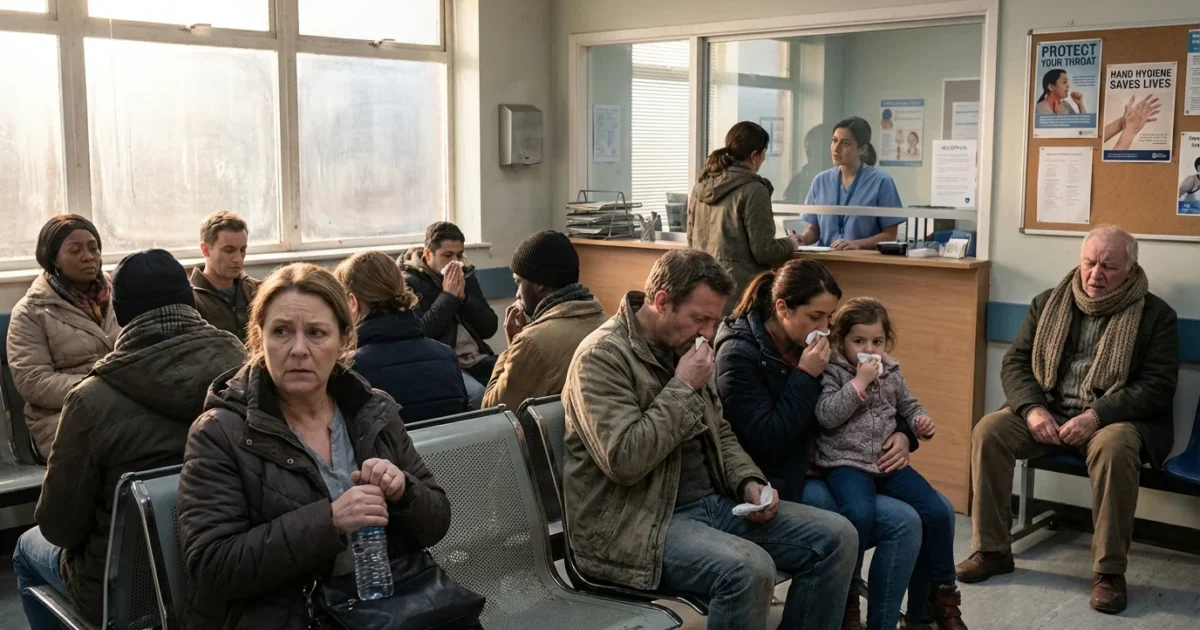
Breaking: A wave of painful sore throats is sweeping across the country. People are calling it the 2025 throat virus. I can confirm it is not one single bug. It is a cluster of viruses moving at the same time, hitting our throats hard and fast. Here is what is happening, what symptoms to watch, and how to protect your family now.
What the 2025 throat virus really is
The headline sore throat is real. The cause is mixed. A COVID subvariant known as NB.1.8.1, nicknamed Nimbus, sparked attention for a burning, razor like sore throat. That symptom is still showing up. But Nimbus is no longer the top driver in most places. Another strain, often called XFG or Stratus, now makes up the largest share of COVID cases.
COVID activity remains high in many regions, based on ongoing surveillance. At the same time, flu is picking up in pockets, with a subtype that may be tougher on older adults. RSV is rising earlier than usual in some areas. Norovirus outbreaks are growing, which brings vomiting and diarrhea, not a sore throat. Measles is also back in some communities, which raises risk for unvaccinated people.
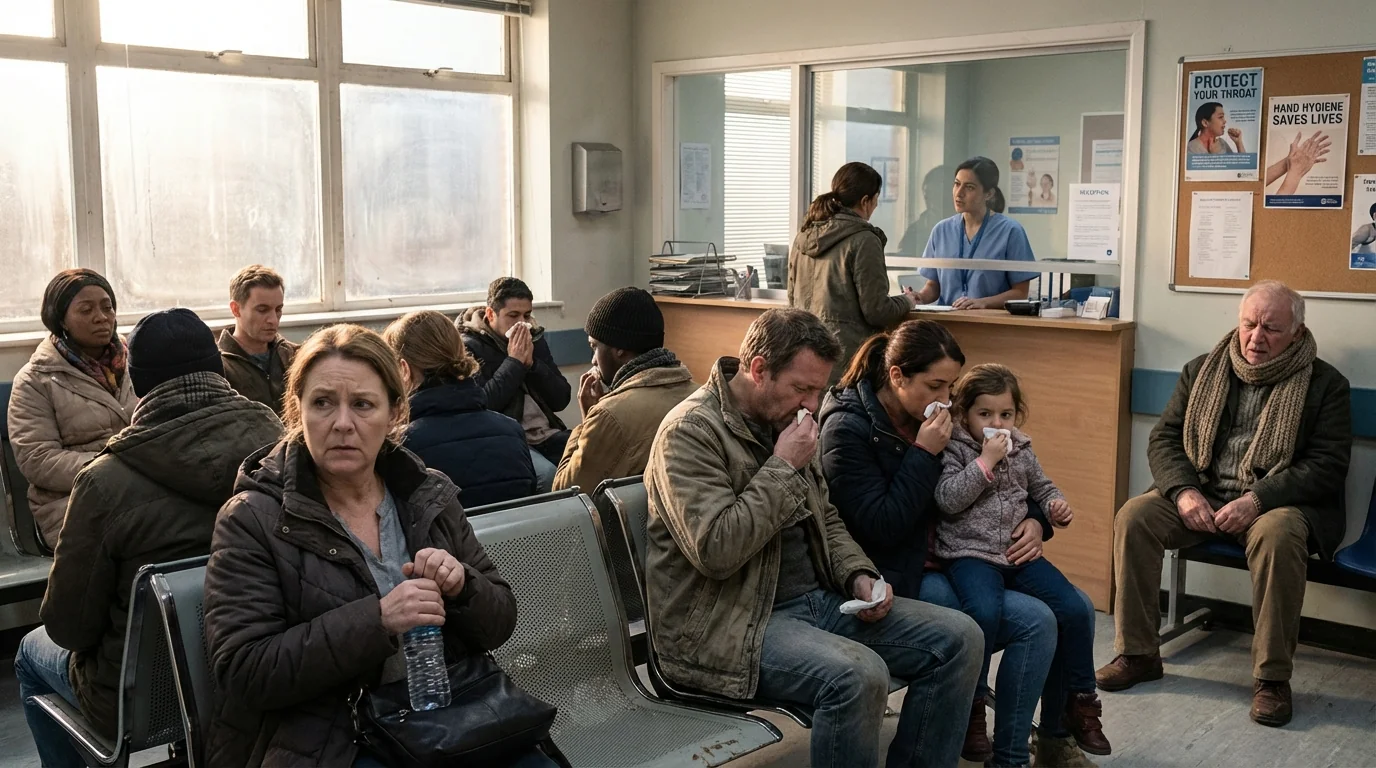
Together, these viruses are pushing up sore throat reports, clinic visits, and sick days.
Symptoms, and what feels different this time
COVID tied to Nimbus often starts with a severe sore throat. Many describe it as sharp, with pain when swallowing. You can also have fever, chills, cough, congestion, headache, and body aches. Stratus can look similar, sometimes milder in people who are vaccinated.
Flu tends to bring high fever, strong body aches, and sudden fatigue. Sore throat and cough are common too. RSV often shows up as wheezing, chest tightness, and heavy mucus, especially in babies and older adults. Norovirus causes nausea, vomiting, and diarrhea. Measles starts with fever, cough, runny nose, red eyes, then a spreading rash.
The overlap is real. Do not guess. Test.
Testing and when to seek care
Home antigen tests catch many COVID cases in the first few days of symptoms. If the first test is negative but you still feel sick, test again 24 to 48 hours later. A lab based PCR can help if you need a clear answer for work, school, or treatment. Flu tests are helpful in the first two days, when antivirals work best. RSV testing matters for infants, older adults, and people with lung or heart disease.
If you suspect measles, call ahead before going in. Wear a high quality mask to protect others.
Go to urgent care or the ER for trouble breathing, blue lips, chest pain, confusion, severe dehydration, a stiff neck, or a fever over 104 in adults. Call right away if a baby under 3 months has a fever.
Treatment timing matters. Flu antivirals work best within 48 hours of symptoms. COVID antivirals are usually started within 5 days. Ask your clinician if you qualify.
Vaccines and prevention you can act on today
Stay current on your COVID vaccine. It still cuts the risk of severe disease across circulating strains. Get your flu shot now. Even in a tricky flu year, the vaccine lowers the chance of hospitalization and death. Adults 60 and older can ask about the RSV vaccine. Pregnant people can get an RSV shot to protect newborns. Babies may also qualify for an antibody shot. Make sure you and your children are up to date on MMR, which prevents measles. There is no norovirus vaccine yet.
Prevention layers still work. Use a well fitting mask in crowded indoor spaces. Improve airflow, open windows when you can. Wash hands often, especially before eating. Stay home if you are sick.
- Keep a small kit at home, masks, hand sanitizer, a thermometer, throat lozenges, and rapid COVID tests
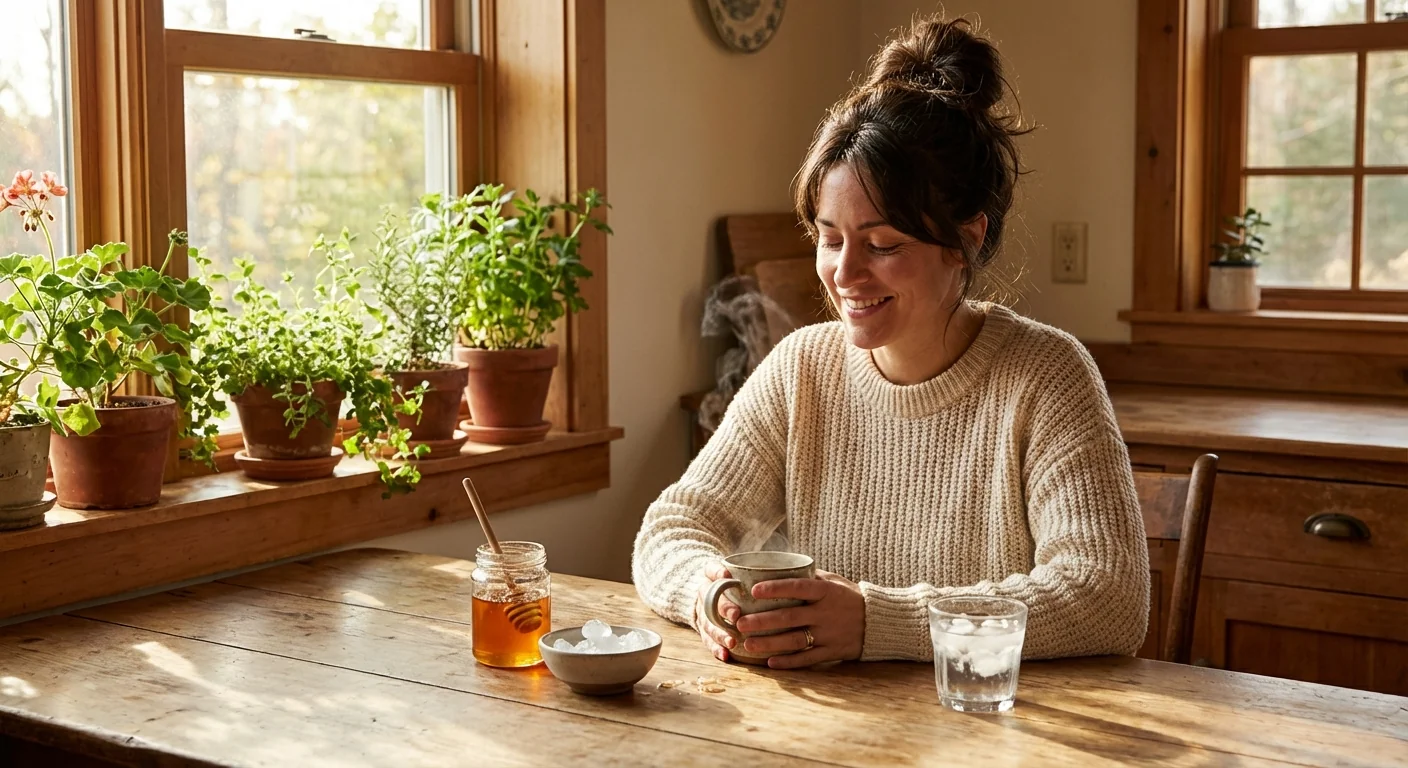
For throat pain, sip warm tea with honey, use saline gargles, and take acetaminophen or ibuprofen as directed. Ice chips can help. Stay hydrated.
What this means for families and workplaces
Expect more absences and schedule shifts. Plan for backup child care. Schools and employers should make testing easy and support stay at home policies when people are ill. Before visiting a high risk relative, test the day of the visit, and wear a mask if anyone has the sniffles. These small steps keep hospitals clear and families safe.