BREAKING: Thousands of NYC Nurses Strike, Patient Care Faces Immediate Strain
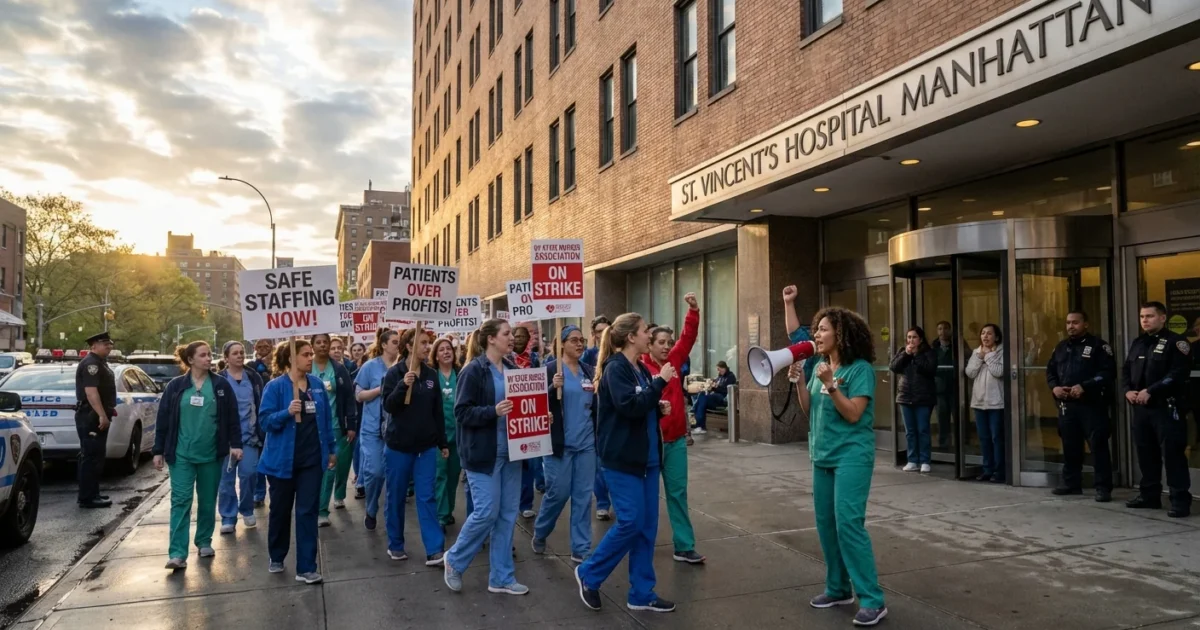
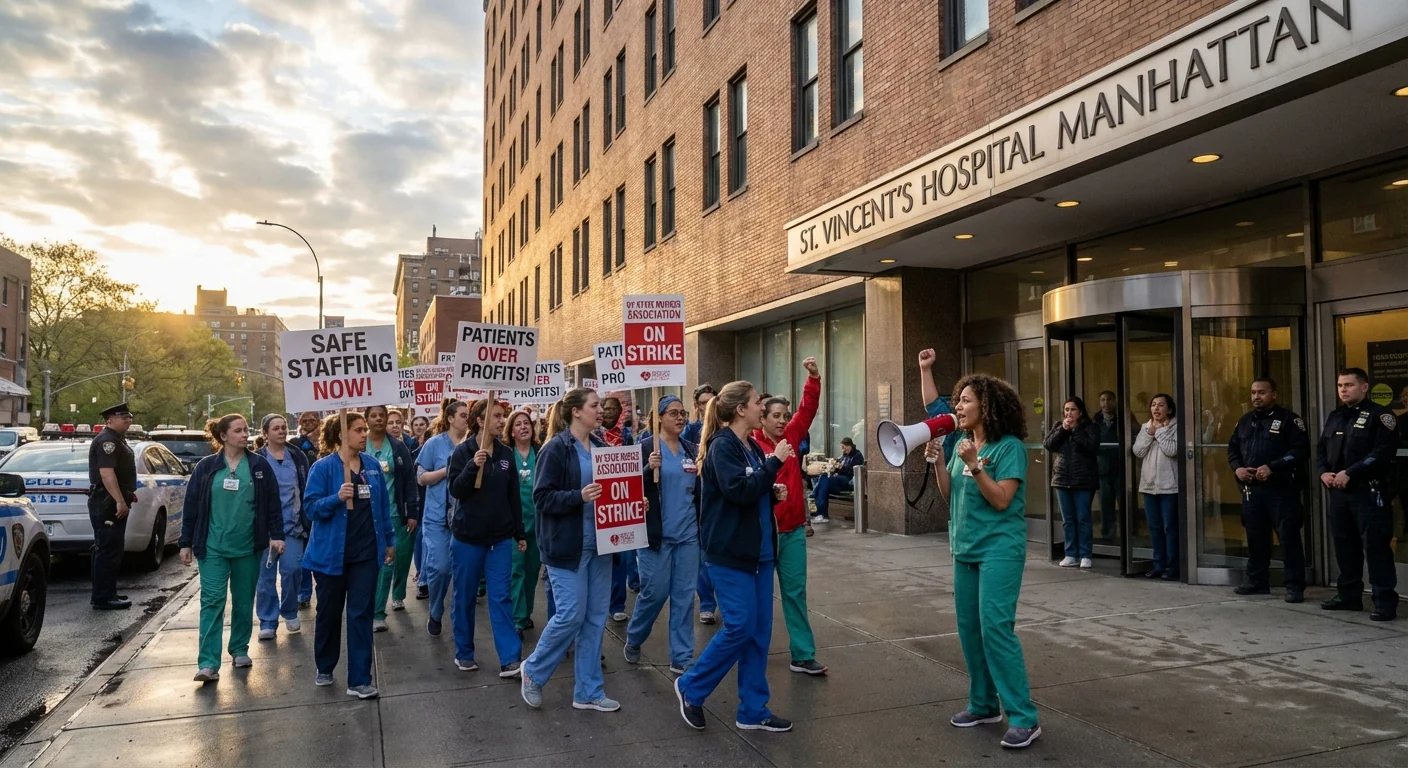
New York City nurses walked off the job this morning, forming loud, organized picket lines outside hospitals in Manhattan and the Bronx. Nearly 15,000 unionized nurses began a strike after overnight talks failed to reach a deal by the deadline. They say current staffing and conditions put patients at risk and push nurses to the breaking point. Hospitals activated contingency plans. Care continues, but wait times and delays are already rising.
Why Nurses Are Striking Today
Talks ran through the night. No agreement landed by morning. The core issues are not abstract. They are the daily realities at the bedside: how many patients one nurse can safely manage, how quickly the hospital fills vacant roles, how to keep experienced nurses from leaving, and how to protect the time nurses need to deliver safe care.
Safe staffing is the lightning rod. When one nurse takes on too many patients, care fragments. Vital signs get delayed. Medications get queued. Discharges slow down. Families get less education. Errors become more likely in a tired unit.
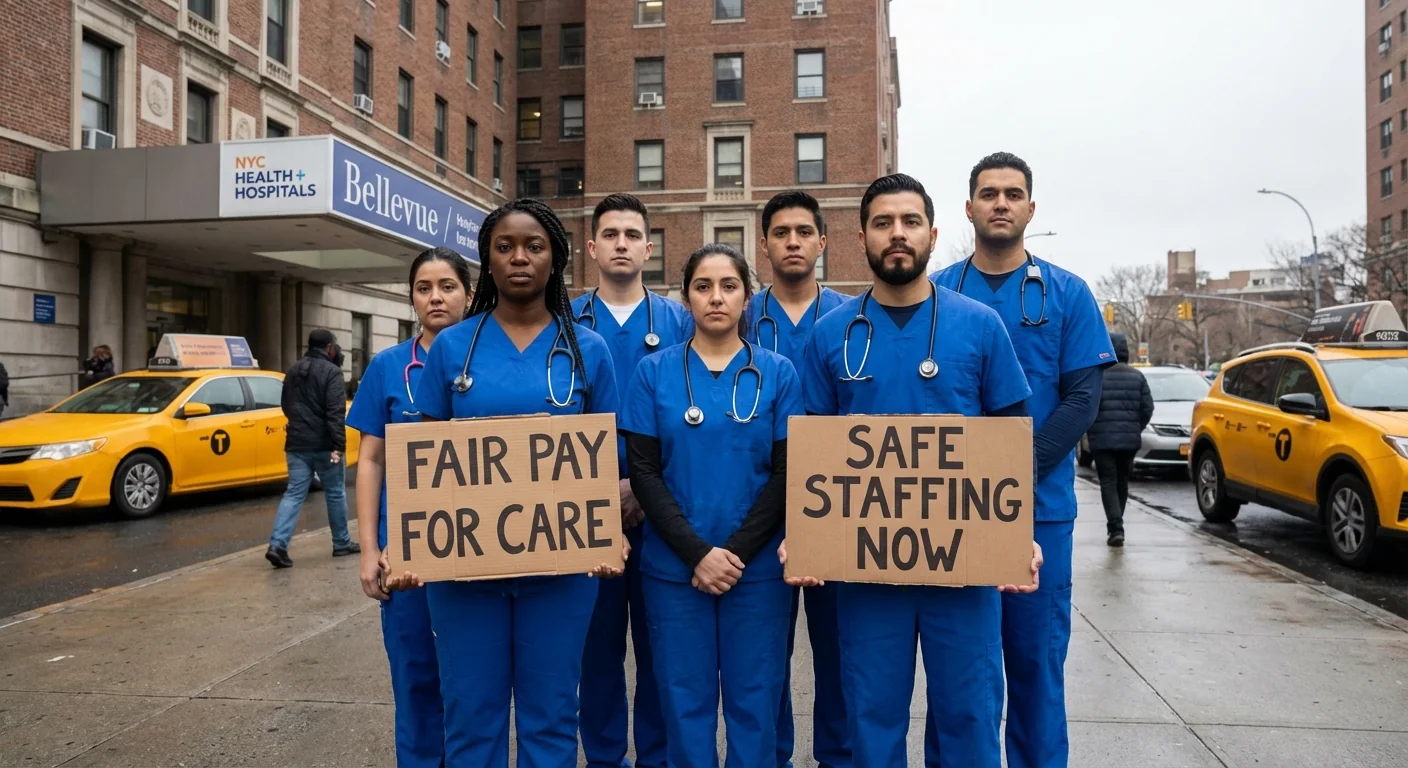
Nurses say they want written, enforceable staffing standards. Not just targets. They want real ratios tied to patient acuity, and a way to hold management accountable when units run short. Pay matters here too. Hospitals struggle to keep seasoned nurses if pay and benefits lag behind the workload. Retention bonuses or fair base pay, paired with safer staffing, are at the center of this fight.
Staffing levels are a patient safety lever. Better nurse to patient ratios are linked to lower mortality, fewer infections, and fewer readmissions.
What This Means For Your Care Right Now
Emergency departments remain open. Ambulances are still running. But non-urgent care will slow. Hospitals are pulling in managers and temporary staff. Some elective surgeries and procedures are being postponed. Expect longer waits in emergency rooms, imaging, and discharges.
If you have a scheduled appointment today, do not assume it is canceled. Call your provider or check your patient portal. If you are stable, you may be redirected to urgent care or telehealth. Oncology, dialysis, and labor and delivery services typically stay prioritized, but delays can happen.
- What may change today: longer waits, rescheduling of non-urgent procedures, tighter visitor policies, transfers between sites
Call 911 for life threatening symptoms: severe chest pain, signs of stroke, trouble breathing, severe bleeding, confusion after a head injury, or a rapidly worsening condition. Do not delay emergency care because of the strike. 🚑
How To Navigate Care Safely During The Strike
Bring a medication list to any visit. Include doses and allergies. Refill prescriptions early if you can. If your issue is minor, use telehealth or urgent care. This keeps emergency rooms clear for true emergencies. If you must go to the ER, pack patience and essentials. Bring chargers, snacks, water, and a contact list. Ask staff how to escalate if your condition changes while waiting.
For parents, monitor children closely if they have fever, dehydration, breathing trouble, or new rashes. For older adults, watch for sudden weakness, confusion, or falls. These can be signals to seek urgent help.
If you are a caregiver, keep a written care plan ready. Include baseline symptoms, recent changes, and the name of the main clinician. Hand this to any covering staff. It saves precious minutes when teams are stretched.
Use your portal or hospital hotline first. Confirm appointment status, test results, and refills before you travel. This reduces time on site and lowers stress.
Inside The Sticking Points
This dispute is about safety, staffing, and sustainability. Nurses want staffing ratios that are specific to unit type and patient acuity. They want enough float and break coverage so nurses can eat, hydrate, and take real rest. They are asking for faster hiring to close vacancies and better retention to keep experience at the bedside. Pay is part of that, since turnover spikes when pay does not match workload and risk.
Hospitals face real pressures too. Patient demand swings fast. Flu, RSV, and COVID can surge without warning. Budgets are tight, especially for safety net hospitals. Temporary labor is costly and uneven. But the cost of burnout is higher. Burned out nurses leave, and units cycle through new hires who need time to gain speed. Patients feel that churn.
There is room for a deal that centers patient safety and workforce stability. Enforceable staffing, fair pay, and transparent metrics could ease both sides. A credible plan to fill vacancies and reduce forced overtime would restore trust and keep care steady.
What To Watch Next
Negotiations can restart at any hour. A mediator could step in. Hospitals will keep adjusting capacity, diverting non-urgent cases, and leaning on temporary staff. The longer the strike runs, the greater the risk of care backlogs, crowded ERs, and delayed discharges.
If you have ongoing treatment, check daily for updates. Confirm ride plans and child care before appointments. Keep a small health kit ready at home, including a thermometer, a pulse oximeter if you have lung or heart disease, and a week of essential meds. Simple steps lower anxiety and protect your health as the situation evolves.
The stakes are real. This is about safe care at the bedside and the people who deliver it. New Yorkers rely on nurses every hour of every day. A fair, clear, and enforceable agreement will support both patient outcomes and nurse wellbeing. Until then, stay informed, plan ahead, and seek care when you need it. Your health cannot wait.